Journal
PRP Facial Aftercare: How to Maximize Your Results
Maximizing the regenerative potential of a PRP facial hinges on meticulous aftercare. This guide outlines a refined regimen to optimize healing and enhance your treatment outcomes.
June 29, 2026 / 8 min read
Platelet-Rich Plasma (PRP) facials harness the body's intrinsic healing mechanisms, utilizing a concentration of your own growth factors to stimulate collagen production, improve skin texture, and promote overall rejuvenation. This advanced treatment initiates a powerful regenerative cascade, addressing concerns from fine lines to uneven tone.
However, the efficacy of a PRP facial extends beyond the procedure room. The period immediately following treatment, often referred to as the aftercare phase, is profoundly critical. It dictates not only the comfort of your recovery but also the ultimate quality and longevity of your results. Thoughtful, informed post-procedure care acts as a vital bridge, guiding your skin through its delicate healing journey to reveal its optimized potential.
Understanding the Immediate Post-PRP Phase
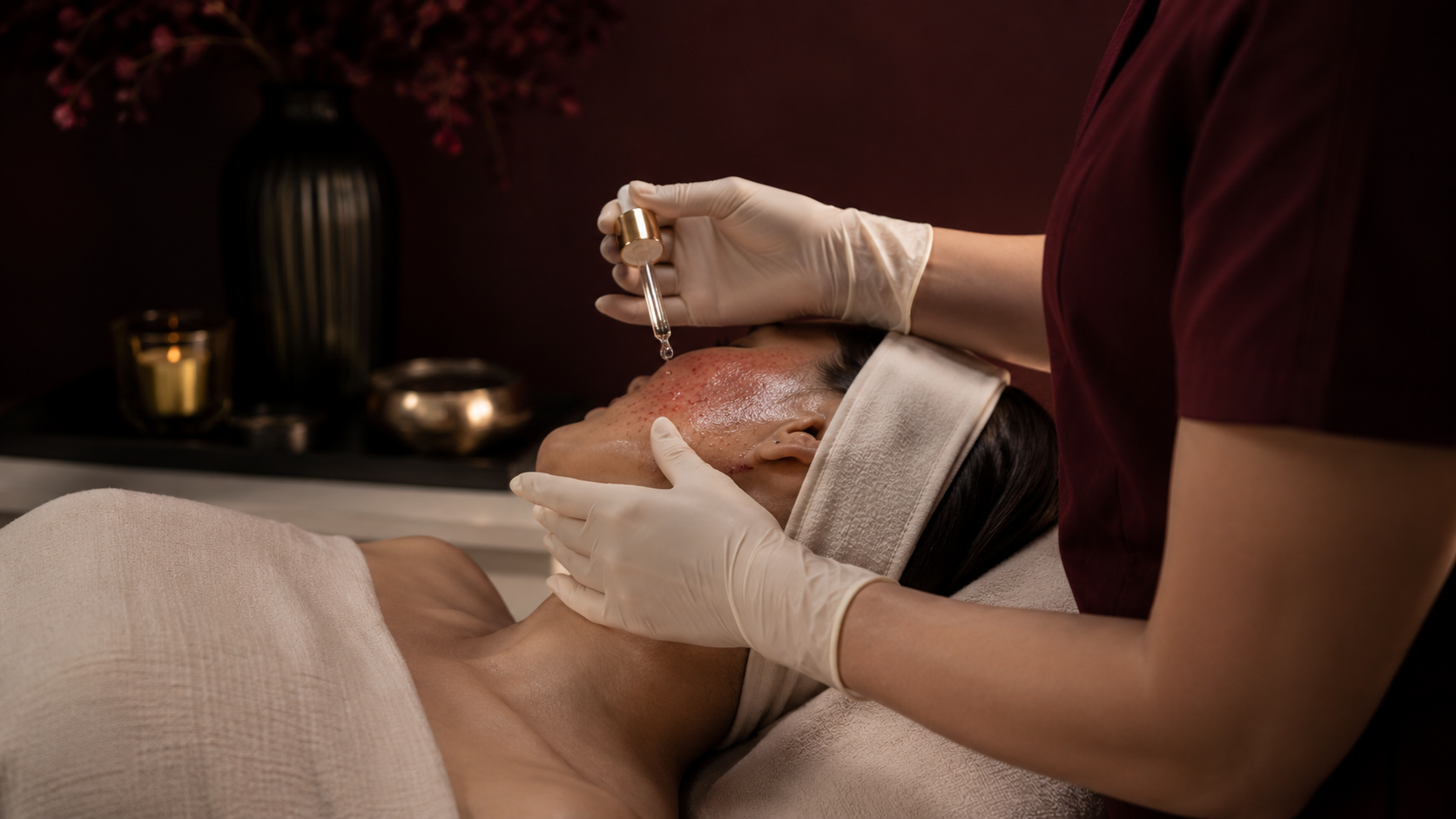
Following a PRP facial, your skin enters a state of heightened sensitivity and active regeneration. It is common to experience mild to moderate redness, similar to a sunburn, accompanied by some swelling, particularly in the first 24 to 48 hours. These are expected physiological responses, indicating the activation of the healing process.
During the initial hours, it is paramount to avoid touching the treated areas to prevent the introduction of bacteria. Keep your skin clean and allow the PRP solution to fully absorb. Refrain from applying any products not explicitly recommended by your practitioner. The skin's barrier is temporarily compromised, making it more susceptible to irritation and potential complications.
Gentle cleansing and hydration become central to your regimen as instructed by your clinic. Use lukewarm water and a mild, pH-balanced cleanser designed for sensitive skin. Pat dry with a clean, soft towel. Your practitioner will advise on specific soothing and hydrating serums suitable for immediate post-PRP application, often recommending products that support barrier function without occluding pores.
Curating Your Aftercare Regimen: The First Week
The first week post-PRP is pivotal for supporting your skin's recovery and maximizing the regenerative effects. A meticulous, yet minimalist, skincare regimen is essential to prevent irritation and foster optimal healing.
Cleansing and Hydration Protocols
Continue with a gentle, non-foaming cleanser to keep the skin clean without stripping its natural oils. Follow with a high-quality, non-comedogenic moisturizer rich in humectants like hyaluronic acid and emollients that reinforce the skin barrier. The goal is to maintain optimal hydration, which is crucial for cellular repair and comfort during the healing phase.
Sun Protection: A Non-Negotiable Imperative
Sun exposure is a significant concern after any skin-renewing procedure. Your skin will be more vulnerable to UV radiation, increasing the risk of hyperpigmentation and compromising healing. Apply a broad-spectrum mineral sunscreen with an SPF of 30 or higher daily, even indoors. Reapply every two hours when outdoors and seek shade whenever possible. This preventative measure is critical for preventing post-inflammatory hyperpigmentation and protecting the integrity of your results.
Product Selection: What to Embrace and What to Avoid
For at least one week, and often longer, avoid active ingredients such as retinoids, AHAs, BHAs, exfoliating enzymes, and harsh physical scrubs. These can irritate the delicate healing skin. Focus on calming and restorative ingredients like centella asiatica, ceramides, panthenol, and squalane. Your practitioner may also recommend specific growth factor serums or peptides to complement the PRP's action. When considering ingredients like Vitamin C, consult your clinic for precise timing and appropriate formulations.
Lifestyle Modulations for Enhanced Recovery
Beyond topical applications, certain lifestyle adjustments can significantly influence your PRP facial aftercare and contribute to a smoother, more effective recovery.
Exercise and Activity: For the first 24-48 hours, avoid strenuous exercise, heavy lifting, and activities that induce excessive sweating. Increased blood flow to the face can exacerbate swelling and potentially interfere with the initial healing process. A gentle return to activity can be considered after this initial period, but always prioritize comfort and listen to your body.
Makeup Application: It is advisable to delay the application of makeup for at least 24-48 hours, or as directed by your practitioner. When you do reintroduce cosmetics, opt for mineral-based, non-comedogenic formulas and ensure your brushes are meticulously clean. This minimizes the risk of infection and irritation while your skin is still vulnerable. For further guidance, consider insights on makeup after similar procedures.
Sleep and Hydration: Sleep on your back with your head slightly elevated for the first few nights to help reduce swelling. Ensure adequate hydration by drinking plenty of water, which supports cellular function and overall skin health from within. A balanced diet rich in antioxidants can also aid the body's natural healing capabilities.
Navigating Common Post-PRP Sensations
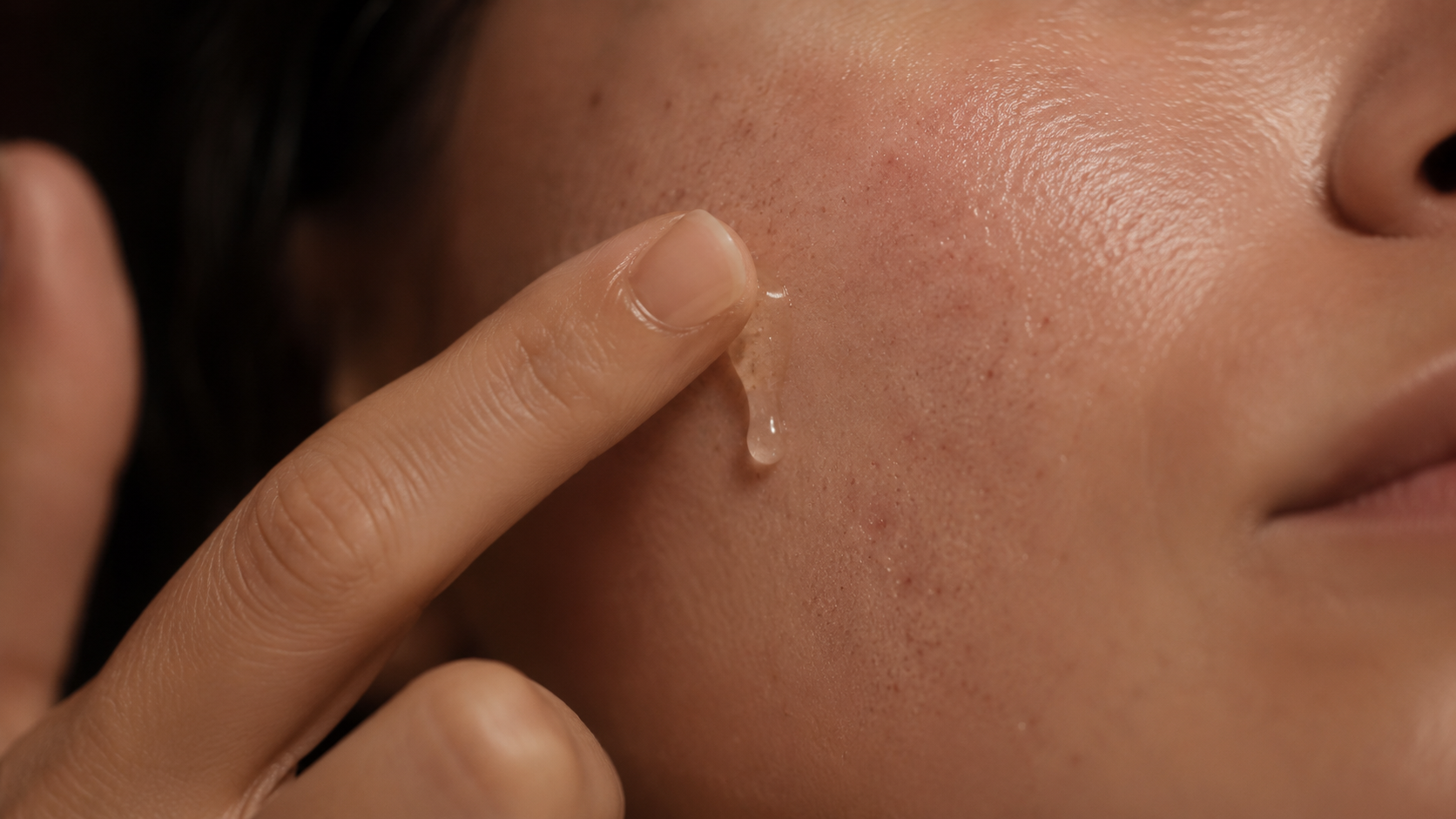
During your PRP facial aftercare, you may encounter various sensations. Understanding what is normal can help you manage your recovery with confidence.
Redness and Swelling: As mentioned, mild to moderate redness and swelling are expected. These typically subside within 2-3 days, though some residual pinkness may persist for up to a week. Cool compresses can provide comfort and help reduce swelling. Avoid ice directly on the skin. If redness or swelling intensifies or is accompanied by pain, consult your practitioner immediately. Insights on managing redness after similar treatments can offer additional context.
Dryness or Tightness: As the skin heals, it may feel dry, tight, or even slightly flaky. This indicates that the skin barrier is actively repairing itself. Consistent application of a rich, restorative moisturizer and a hydrating serum is crucial. This helps to alleviate discomfort and supports the barrier's integrity. Understanding skin barrier compromise provides further insight into these sensations.
Minor Bruising or Bumps: Small bruises or minor bumps at injection sites are possible but generally resolve within a week. Arnica supplements, if approved by your doctor, may help to accelerate their disappearance. Avoid picking or scratching at any scabs or textural irregularities.
Why PRP Works Best With Complementary Technologies
While PRP initiates a powerful regenerative cascade, its effects can be significantly amplified and sustained through the strategic integration of advanced complementary technologies. The cellular signals and growth factors delivered by PRP lay a foundational groundwork, preparing the skin to optimally receive and utilize additional bio-intelligent components.
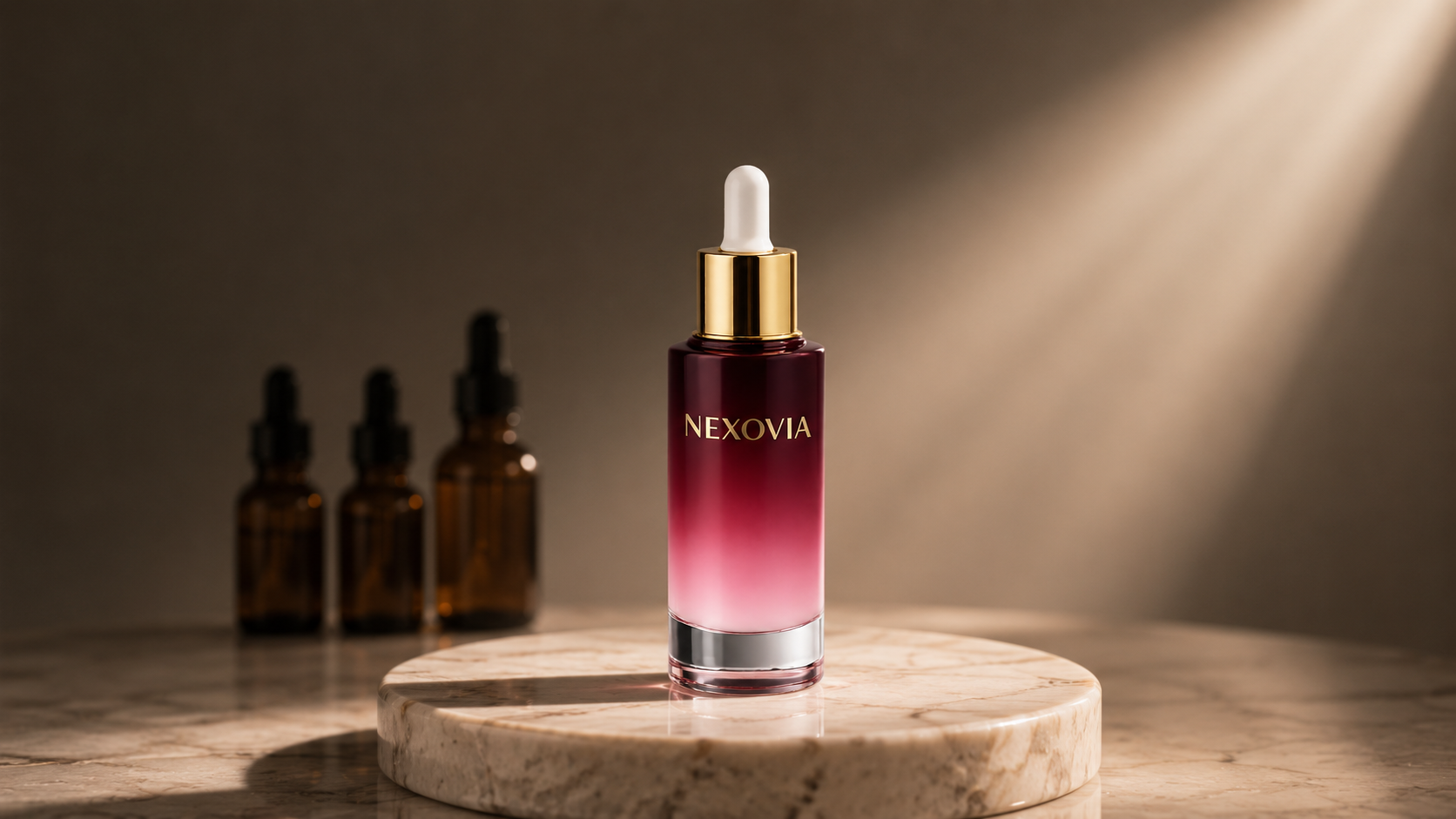
This is where Nexovia's ABA.4 Bio-Intelligent Architecture provides a distinct advantage. Our formulations are engineered to work in synergy with the skin's natural healing processes, enhancing the outcomes of procedures like PRP facials. ABA.4 is a meticulously crafted complex designed to provide comprehensive support for post-procedure recovery and rejuvenation.
The ABA.4 architecture comprises a potent combination of synergistic elements:
- Peptide Matrix: A sophisticated blend of signal peptides that communicate with skin cells, encouraging collagen synthesis, elastin production, and robust barrier repair. Peptides are fundamental for restoring the skin's structural integrity and resilience.
- Plant Exosomes (4 billion particles/mL): These nanoscale vesicles act as messengers, delivering a concentrated cargo of lipids, proteins, and growth factors to target cells. They significantly enhance intercellular communication, accelerating repair and regeneration, and promoting a more youthful cellular environment. For a deeper understanding, explore the science of exosomes in skin recovery.
- PDRN (1%): Polynucleotides derived from salmon DNA, PDRN is a powerful biostimulant that promotes tissue repair, reduces inflammation, and stimulates fibroblast activity. It supports DNA repair and accelerates cellular turnover, crucial for healthy tissue regeneration. Read more about PDRN's role in skincare.
- NAD+ (1%): Nicotinamide Adenine Dinucleotide is a vital coenzyme essential for cellular energy production and DNA repair. By boosting NAD+ levels, the skin's cells are better equipped to repair damage, combat oxidative stress, and maintain optimal function, leading to enhanced vitality and resilience. Discover the benefits of NAD+ for skin health.
By incorporating Nexovia's ABA.4 Bio-Intelligent Architecture into your PRP aftercare, you are not merely supporting healing; you are actively optimizing the cellular environment. This ensures that the regenerative signals initiated by PRP are received, processed, and amplified, leading to superior collagen remodeling, improved texture, and a more profound, lasting rejuvenation.
Frequently Asked Questions
How soon can I see results from my PRP facial?
Initial improvements in skin texture and radiance may become visible within a few weeks as the skin begins its regenerative cycle. However, the full benefits, particularly collagen remodeling and firmness, typically manifest over 3 to 6 months as new collagen develops.
Can I use my regular skincare products after a PRP facial?
For at least 5-7 days post-PRP, it is generally recommended to avoid harsh active ingredients such as retinoids, AHAs, BHAs, and exfoliating scrubs. Focus on gentle, hydrating, and barrier-supporting products. Always follow your practitioner's specific recommendations for product reintroduction.
Is it normal for my skin to peel after a PRP facial?
Significant peeling is not a common side effect of a PRP facial, unlike some other procedures such as chemical peels. However, some mild flaking or dryness may occur as the skin undergoes its healing process. Consistent hydration can help mitigate this.
How many PRP facial sessions are recommended for optimal results?
The optimal number of PRP facial sessions varies based on individual skin concerns, desired outcomes, and the practitioner's assessment. Typically, a series of 3 sessions, spaced 4-6 weeks apart, is recommended to achieve the most significant and lasting results, followed by maintenance treatments as needed.
What should I do if I experience unexpected side effects or discomfort?
If you experience any severe or unexpected side effects, such as excessive pain, prolonged swelling, signs of infection (pus, fever), or allergic reactions, contact your practitioner immediately. They can provide guidance and assess if further intervention is required.
This content is for informational purposes only and does not constitute medical advice. Always follow the specific aftercare instructions provided by your practitioner, as recommendations may vary based on your individual treatment and skin type.
Disclaimer: This article is for educational purposes only and is not medical advice. Always follow your provider's guidance after cosmetic procedures.