Journal
Why You Should Avoid Hot Showers After Microneedling and Laser
Hot showers feel particularly indulgent after a stressful day. After a microneedling or laser session, they are also one of the easier ways to compromise your recovery.
September 22, 2026 / 6 min read
Hot showers feel particularly indulgent in the days after a stressful or demanding period. They are also, in the immediate aftermath of microneedling or laser treatment, one of the easier ways to compromise your recovery. The advice to avoid them is not arbitrary fastidiousness; it is grounded in specific physiological effects that interfere with the work the procedure has just done.
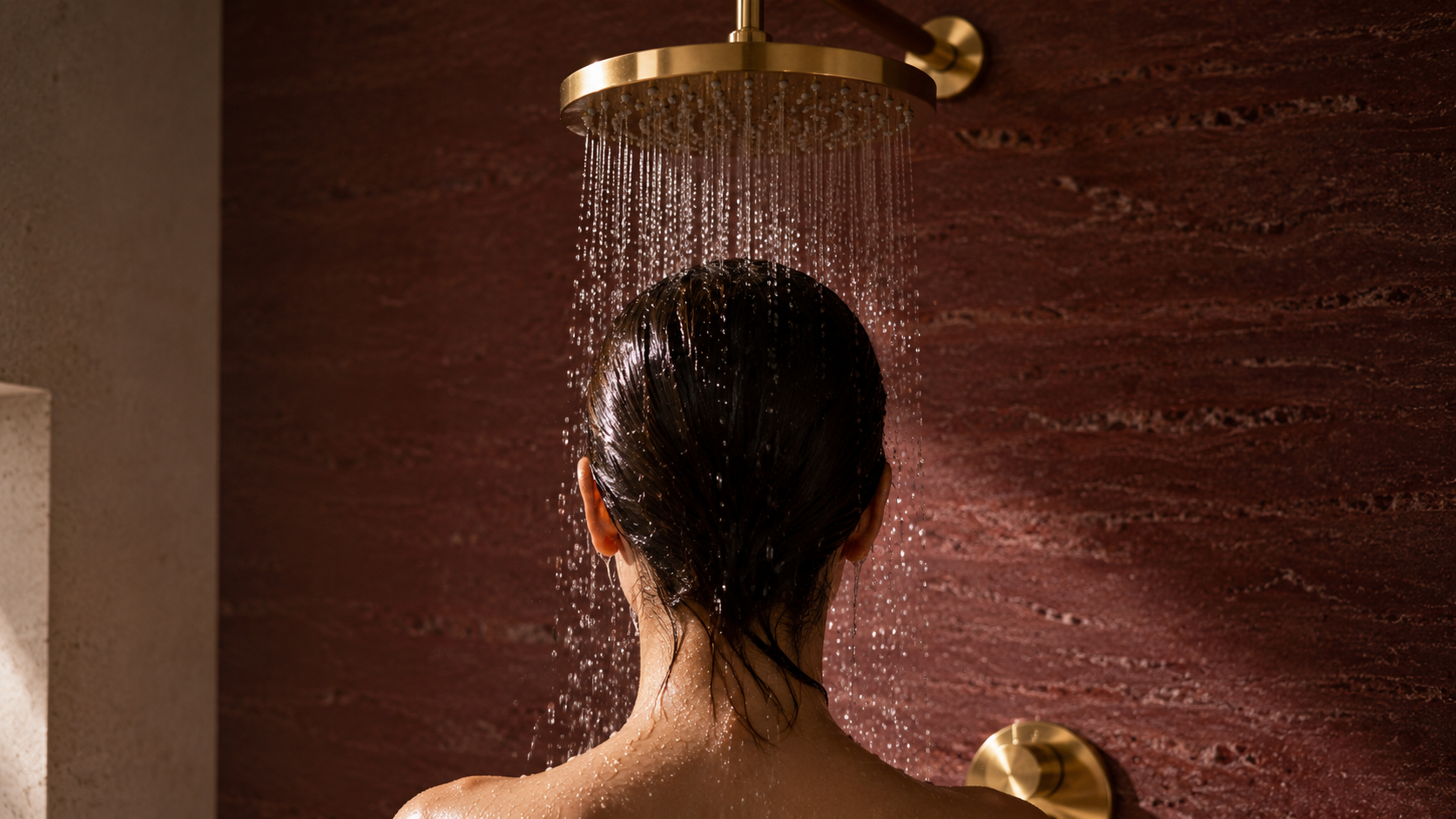
This article explains the mechanism behind the recommendation, how long the restriction applies, and what shower routine actually supports recovery.
What Heat Does to Recovering Skin
Heat dilates the blood vessels in the dermis, increasing blood flow to the skin's surface. In healthy skin, this is part of normal thermoregulation; the skin warms briefly and returns to baseline. In recovering skin, the same response amplifies the symptoms that the procedure has already produced.
Microneedling and laser treatments both trigger an inflammatory response by design. The vasodilation that follows the controlled injury is what produces the immediate flush, the warmth, and the sensitivity in the hours after the appointment. Adding more heat through a hot shower compounds this response, prolongs the visible redness, and increases the discomfort that recovering skin already experiences.
The Specific Risks
Several specific concerns argue against hot showers in the immediate post-procedure window.
Increased redness and prolonged flush. The vasodilation from the shower stacks on top of the procedure's own vasodilation. Patients who hot-shower in the first 24 hours often experience visible flush that lasts hours longer than it would otherwise.
Increased transepidermal water loss. Hot water is more aggressive on the skin barrier than warm water; it strips lipids more efficiently and accelerates the loss of moisture from already-compromised skin.
Aggravation of inflammation. The inflammatory cascade that follows treatment is supposed to peak and resolve within 24 to 48 hours. Heat exposure prolongs the peak and slows the resolution.
Risk of post-inflammatory hyperpigmentation. For patients prone to pigmentation, sustained heat exposure during the inflammatory phase increases the likelihood that the inflammation will leave a pigmented mark. This is particularly relevant for patients with skin types IV through VI, where post-inflammatory hyperpigmentation is more common.
How Long the Restriction Applies
For light treatments like superficial peels or dermaplaning, the restriction typically applies for 12 to 24 hours. For microneedling at standard depths, 48 to 72 hours is the more typical window. For deeper treatments including fractional laser resurfacing, ablative laser, or RF microneedling, the restriction often extends to five to seven days.
"Avoid hot" does not mean cold. It means lukewarm. The water should feel neutral on the skin, not warm and not cool. Most people unconsciously calibrate to a hotter shower than they realize is hot; pay attention.
What Counts as a "Hot Shower"
The threshold is lower than people often assume. If steam is visibly forming in the shower, the water is hot enough to be problematic for recovering skin. If the bathroom mirror is fogging significantly, the same applies.
Tepid showers, where the water is comfortable but produces minimal steam, are appropriate. Cool showers are also fine but rarely necessary for recovery; lukewarm is the most practical target.
What About the Sauna, Hot Tub, and Steam Room
The same logic, more strictly applied. Saunas, hot tubs, steam rooms, and hot yoga all produce sustained heat exposure that is significantly more aggressive than a brief hot shower. Avoid these for at least one week after most procedures, longer for deeper treatments.
Hot yoga in particular combines sustained heat with elevated heart rate and significant sweating, all of which compound the risks. Most practitioners recommend pausing hot yoga for at least 10 days after a non-superficial procedure.
What to Do Instead
Lukewarm showers, kept brief. The shorter exposure time reduces the cumulative effect of even moderate water temperatures on the skin. Five to ten minutes is reasonable; extended showers, particularly when accompanied by warm water, are best reduced.
Avoid getting the treated area directly under the showerhead at full pressure. Mechanical impact from water pressure adds another stressor to compromised skin.
Use the gentlest cleanser your practitioner has approved, applied with hands rather than a washcloth or sponge. Mechanical exfoliation, even unintentional from a textured cloth, is best avoided in the recovery window.
The Bigger Principle
The principle that connects all of these recommendations is simple: minimize additional stressors during the recovery window. Heat, mechanical impact, harsh products, and aggressive cleansing all add to the load that the skin is already managing. Reducing them, even modestly, accelerates the return to baseline.
Nexovia's ABA.4 Bio-Intelligent Architecture is designed to support the recovery process from above; the choices you make about heat, water, and environment are what support it from below. The peptide matrix supports structural barrier rebuilding. Plant exosomes at four billion particles per millilitre coordinate cellular communication. PDRN at one percent activates regenerative pathways. NAD+ at one percent supplies cellular energy. Combined with appropriate environmental restraint, the recovery proceeds at the pace the procedure intended. Managing swelling and reactivity is part of the same framework.
Frequently Asked Questions
Can I wash my face with warm water after a procedure?
Lukewarm water is appropriate for cleansing during the recovery window. Avoid water that feels distinctly warm, and dry by patting with a soft towel rather than rubbing. Most practitioners recommend lukewarm cleansing for at least the first 48 to 72 hours.
What about facial steaming?
Avoid for at least one week after most procedures. Facial steaming combines sustained heat with the goal of opening pores, both of which are counterproductive during recovery.
Can I take a bath instead of a shower?
If the bath water is lukewarm, yes. Hot baths carry the same concerns as hot showers and are usually best paused for the recovery window.
Is cold water better than warm for recovering skin?
Cold water can briefly reduce flush and feel comfortable on irritated skin, but sustained cold exposure is its own minor stressor. Lukewarm is the most reliable temperature; brief cold rinses are fine but not necessary.
What if I sweat heavily during normal exercise?
Most practitioners recommend pausing sweat-producing exercise for the first 48 to 72 hours after most procedures. Sweat introduces salt and bacteria to compromised skin. After the immediate window, gentle exercise resumes; intense exercise that produces heavy sweating waits a few additional days.
This content is for informational purposes only and does not constitute medical advice. Always follow the specific aftercare instructions provided by your practitioner, as recommendations may vary based on your individual treatment and skin type.
Disclaimer: This article is for educational purposes only and is not medical advice. Always follow your provider's guidance after cosmetic procedures.