Journal
How to Tell If Your Skin Barrier Has Recovered After a Procedure
Knowing when your barrier has truly recovered determines when actives can return and how the next procedure will go. Here is how to read the signs.
September 24, 2026 / 6 min read
Knowing when your skin has truly recovered from a procedure determines two important things: when actives can safely return to your routine, and how the next procedure in your series will go. The temptation is to assume recovery is complete because the visible redness has faded; the reality is that barrier function recovers on a slower timeline than surface appearance suggests.
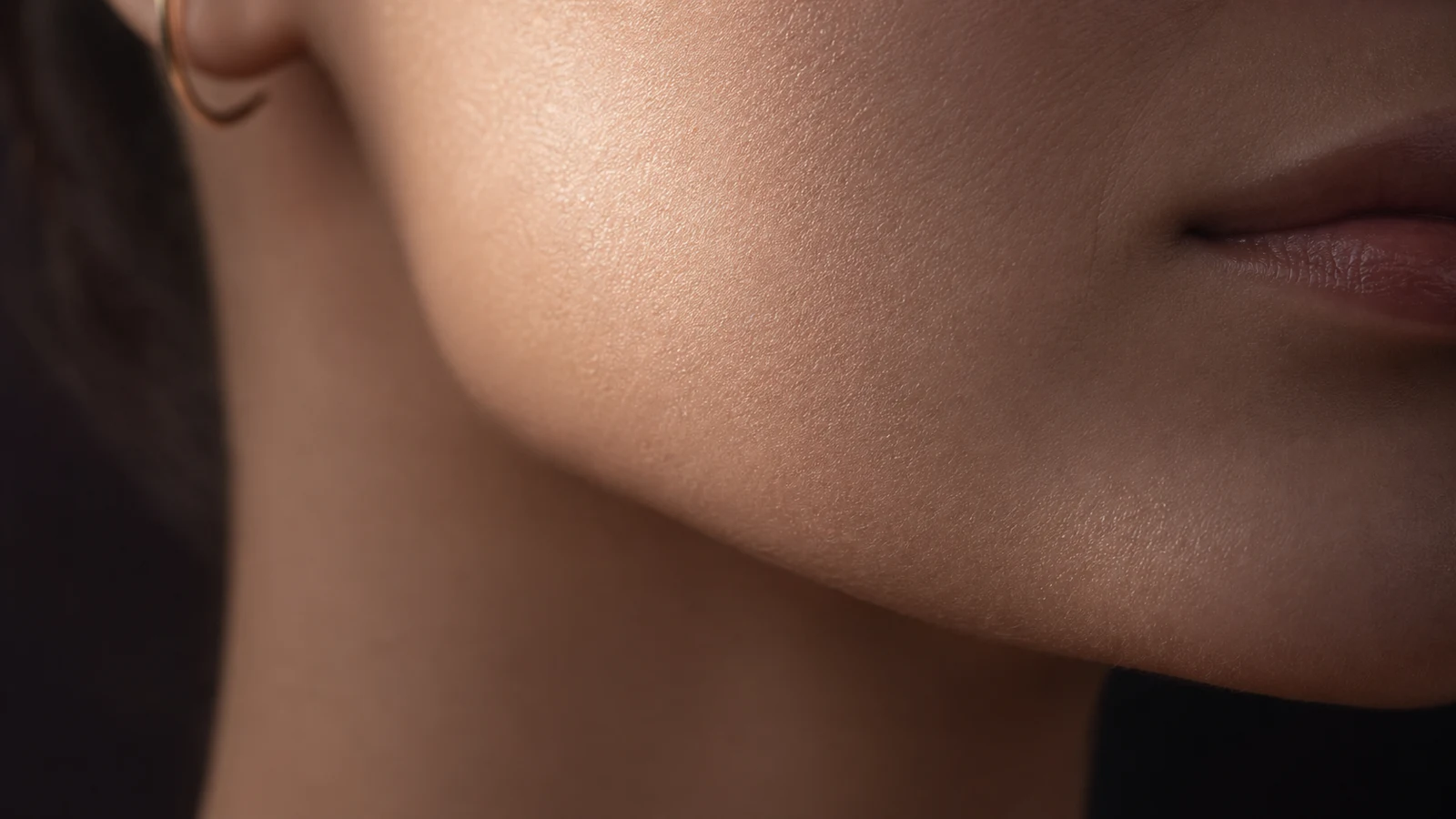
This article walks through the signs of true barrier recovery, the difference between surface healing and structural healing, and the practical tests that tell you whether the skin is genuinely ready for the next phase of your routine.
Surface Recovery Versus Structural Recovery
The skin recovers in two phases that overlap but are not identical. Surface recovery is what you see in the mirror: redness fading, flaking resolving, texture returning to normal. Structural recovery is what you cannot see directly: the lipid matrix between corneocytes rebuilding, ceramide levels returning to baseline, the barrier function resuming its normal performance.
Surface recovery typically completes in 3 to 7 days for most non-ablative procedures. Structural recovery often takes 2 to 4 weeks. The gap between the two is where many patients reintroduce actives prematurely and undermine their results.
The Visible Signs of Genuine Recovery
Several visible signs together indicate that surface recovery has substantially completed.
Color uniformity has returned. The treated area no longer reads as visibly different from untreated areas in normal lighting. Slight residual pinkness can persist longer in some skin types but should not be the dominant impression of the treated zone.
Surface texture is smooth and consistent. The micro-roughness, flaking, or unevenness that often accompanies recovery has resolved. Skin reflects light evenly across the treated area.
Hydration appears normal. The skin has its natural sheen, neither dull nor unusually shiny. The dehydrated, "thirsty" appearance that often persists into the second week of recovery has resolved.
The Sensory Signs
What the skin feels like is at least as informative as what it looks like. Several sensory markers together indicate barrier recovery.
The skin no longer feels tight after cleansing. Tightness, particularly in the minutes after washing, is one of the most reliable indicators of compromised barrier function. When tightness is absent, the barrier is producing and retaining the lipids and water it needs.
Products feel as they did before the procedure. The application of a moisturizer or serum that was previously comfortable should feel comfortable again, without unusual stinging, warmth, or sensitivity.
Temperature sensitivity has normalized. The treated area no longer flushes notably with warmth or with cold air exposure beyond what it did before the procedure.
The Practical Test
One simple test integrates the above signs: apply a small amount of a product that contains a mild active you have used previously, like a low-concentration vitamin C serum or a niacinamide formulation. Apply only to a portion of the treated area. Wait 24 hours.
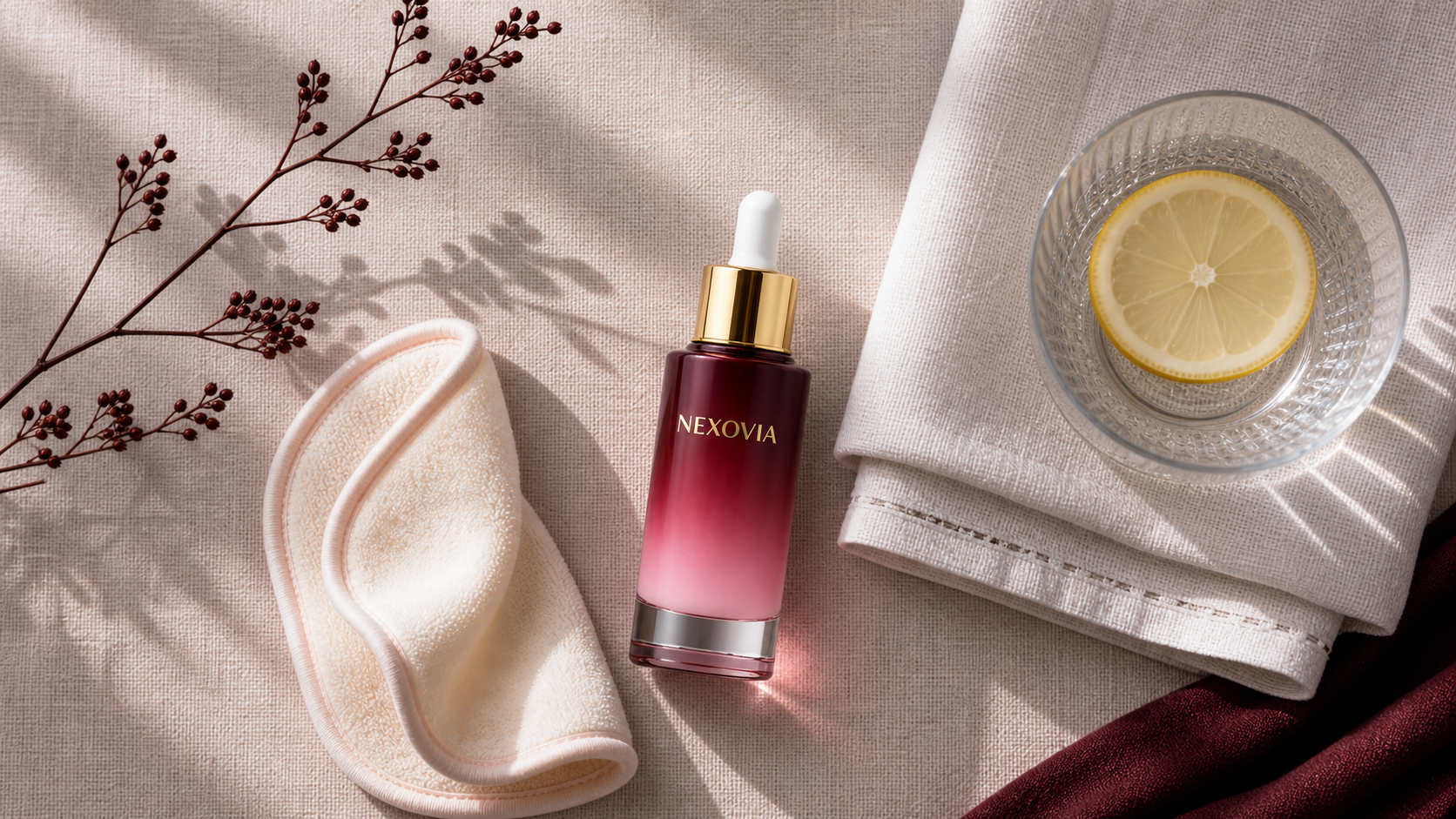
If the skin tolerates the product without unusual stinging, redness, or sensitivity, the barrier has substantially recovered. If the product produces noticeable discomfort or visible reactivity, the barrier needs more time. The test is not foolproof, but it is more reliable than visual inspection alone.
What to Do If Recovery Stalls
If the visible and sensory signs of recovery are not progressing as expected, several factors may be relevant.
Stress and sleep disruption slow recovery measurably. Stress effects on skin healing are real and often overlooked. Improvement in sleep quality and stress management often accelerates a stalled recovery.
Continued use of inappropriate products extends the recovery window. Patients sometimes reintroduce actives gradually and unconsciously, then attribute slow recovery to the procedure itself. Returning to a strict simple routine for an additional five to seven days often resolves a stalled recovery.
Underlying issues including barrier dysfunction that pre-dated the procedure, undiagnosed sensitivities, or systemic factors like nutrient deficiencies can all extend the recovery window. If recovery is significantly slower than expected, a conversation with your practitioner is appropriate.
What "Fully Recovered" Means for the Next Procedure
For procedures performed in series, full barrier recovery before the next session matters. Treating skin that is structurally still recovering produces additive trauma rather than additive benefit. The collagen remodeling that the previous session initiated is still in progress, and starting the next session before the previous one has consolidated diminishes the cumulative result.
Most practitioners build the typical 4-to-6-week interval between sessions specifically because barrier and structural recovery generally completes within that window. If your barrier signals indicate incomplete recovery at the scheduled date, the appropriate decision is to delay the next session by a week or two rather than proceed.
How a Layered Architecture Supports Faster Recovery
The recovery you can see depends in part on the recovery you cannot. Cellular activity, tissue remodeling, and barrier rebuilding all benefit from continued substrate and signaling support during the apparent surface recovery period.
Nexovia's ABA.4 Bio-Intelligent Architecture supports both phases. The peptide matrix delivers structural building blocks throughout the multi-week structural recovery. Plant exosomes at four billion particles per millilitre coordinate cellular communication. PDRN at one percent activates regenerative pathways through adenosine receptors. NAD+ at one percent supplies cellular energy. The combination shortens the gap between surface recovery and structural recovery, so the moment when actives can safely return arrives sooner. Peptides in particular contribute to the durable rebuild of the barrier, not just its visible appearance.
Frequently Asked Questions
How long does full barrier recovery take?
For light procedures, 7 to 14 days. For moderate procedures including standard microneedling and superficial peels, 14 to 21 days. For deeper procedures including fractional laser and medium-depth peels, 21 to 35 days. Visible surface recovery typically completes within the first half of these windows.
Can I tell with just my fingertips whether the barrier has recovered?
Trained practitioners can; most patients cannot reliably. The product test described in this article is more accurate than fingertip evaluation alone. If a product that was previously well-tolerated now stings or produces redness, the barrier is still recovering.
What if my skin always feels somewhat tight, even before the procedure?
Some skin types have constitutionally lower barrier function. The relevant comparison for recovery is your own pre-procedure baseline, not an idealized version of healthy skin. If post-procedure tightness exceeds your normal level, the barrier is still recovering.
Are there professional tests for barrier function?
Dermatology research uses TEWL measurement, electrical capacitance, and other in vivo techniques. These are rarely available outside research settings. Your practitioner may perform a clinical evaluation that approximates these measurements.
If my skin looks fully recovered, why does my practitioner sometimes recommend waiting longer before reintroducing actives?
Practitioners are often advising based on structural recovery rather than surface recovery. The conservative recommendation reduces the risk of reactive flares once actives return and produces a more reliable result over a treatment series. Following their guidance, even when surface appearance suggests faster reintroduction is possible, is usually the right choice.
This content is for informational purposes only and does not constitute medical advice. Always follow the specific aftercare instructions provided by your practitioner, as recommendations may vary based on your individual treatment and skin type.
Disclaimer: This article is for educational purposes only and is not medical advice. Always follow your provider's guidance after cosmetic procedures.