Journal
How to Layer Serums and Moisturizers After an Aesthetic Treatment
Mastering how to layer skincare after an aesthetic procedure is essential for optimal healing and enhancing results. This guide provides a strategic approach to product application on compromised skin.
July 30, 2026 / 7 min read
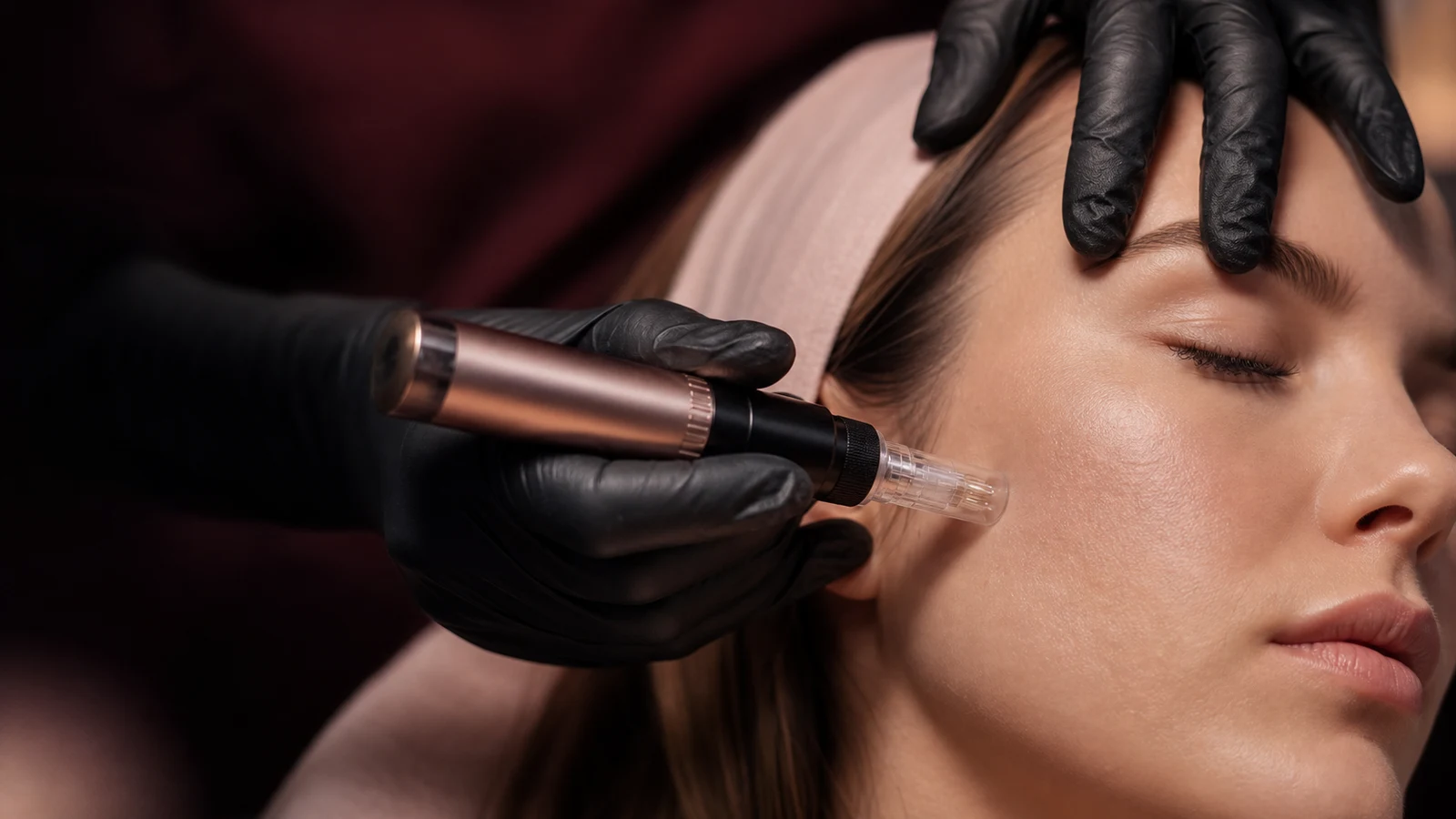
Following an aesthetic treatment, the skin enters a delicate state of recovery. Procedures such as microneedling, laser resurfacing, or chemical peels intentionally create controlled micro-injuries to stimulate regeneration. This process, while beneficial for long-term results, temporarily compromises the skin's natural barrier function, making it more vulnerable to external aggressors and improper product application.
The strategic application of post-procedure skincare is not merely about using specific products; it is about understanding the sequential interaction of these formulations with compromised skin. How to layer skincare after procedure becomes a critical determinant in mitigating sensitivity, accelerating healing, and ultimately preserving the integrity of your investment in professional treatments. A thoughtful layering approach ensures each product delivers its intended benefit without causing irritation or hindering the recovery process.
Understanding Post-Procedure Skin Sensitivity
Immediately after an aesthetic procedure, the skin barrier is often compromised. This state of heightened vulnerability means the skin is more permeable, allowing for both increased absorption of beneficial ingredients and a greater risk of irritation from unsuitable formulations. Redness, tightness, and sensitivity are common indicators of a disrupted barrier, signaling a need for judicious care. Understanding what constitutes skin barrier compromise is fundamental to effective post-procedure layering.
The goal of post-procedure layering is twofold: to support the skin's innate healing mechanisms and to protect it from environmental stressors. This involves selecting products that are non-irritating, anti-inflammatory, and rich in reparative ingredients. The sequence of application is paramount, as it influences how each ingredient penetrates and interacts with the skin, particularly when its protective functions are temporarily diminished.
The Foundational Principles of Layering
The general rule for layering skincare, even on intact skin, is to apply products from thinnest to thickest consistency, or from water-based to oil-based. This principle is even more critical when managing post-procedure skin, as it ensures optimal absorption of lighter, active ingredients before heavier, occlusive products create a protective seal.
Each step in a post-procedure regimen serves a distinct purpose. Beginning with a gentle cleanse prepares the skin, followed by treatments that deliver targeted active ingredients, and culminating with moisturizers and occlusives that reinforce the skin barrier and lock in hydration. Deviating from this order can diminish efficacy or, worse, exacerbate sensitivity in a healing complexion.
Cleansing: The Essential First Step
A mild, pH-balanced cleanser is crucial. It removes impurities and residual product without stripping the skin of its natural lipids. Post-procedure skin is delicate; harsh cleansers can disrupt the healing process and further compromise the barrier. Opt for a gentle wash that leaves the skin feeling clean, not tight or dry.
Toning: Restoring Balance
While some toners can be too active for post-procedure skin, a calming, hydrating toner or essence can be beneficial. These formulations often contain humectants like hyaluronic acid or soothing botanicals, preparing the skin to better receive subsequent treatments. They should be free of alcohol, astringents, or exfoliating acids.
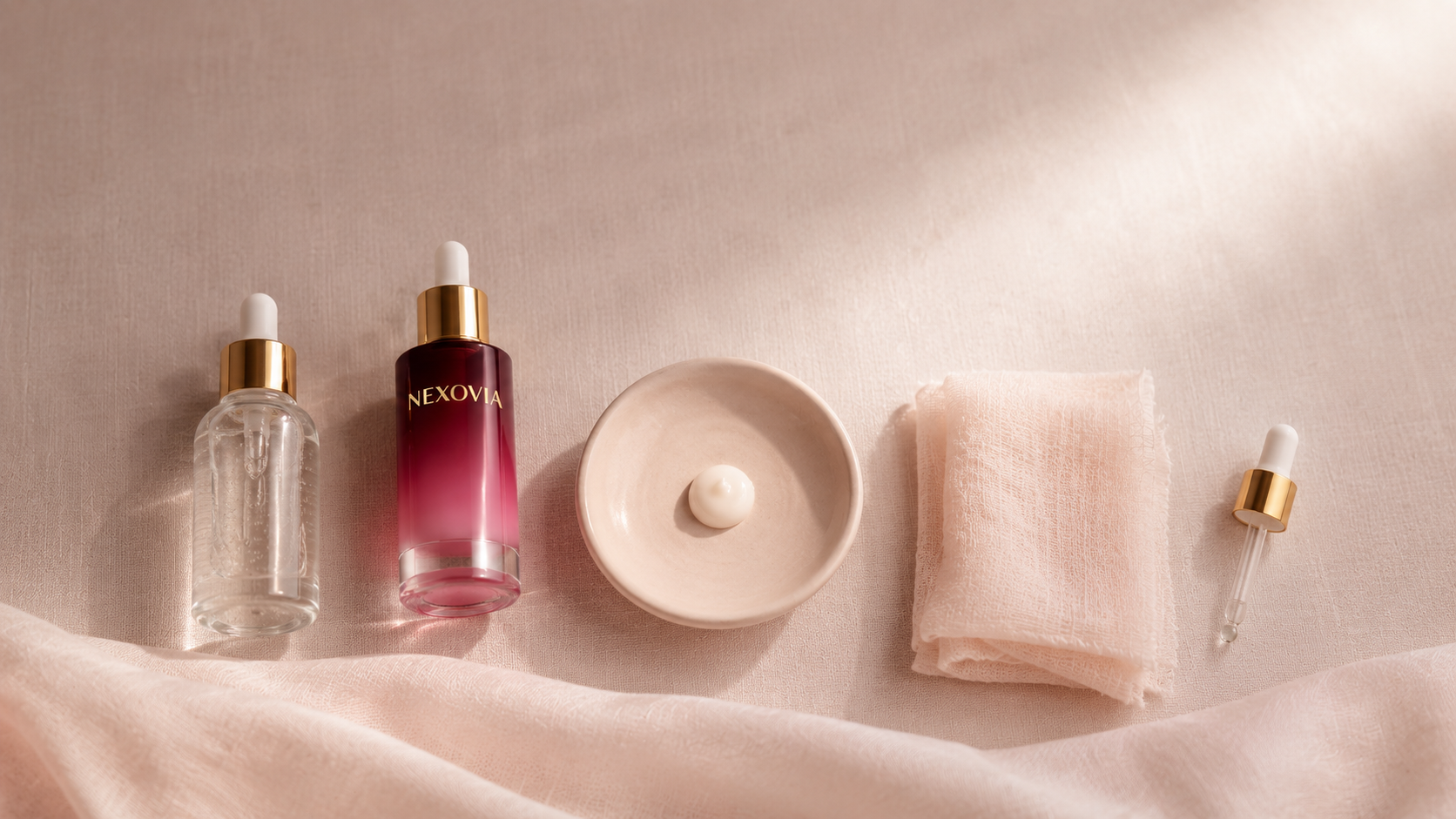
Strategic Application of Serums
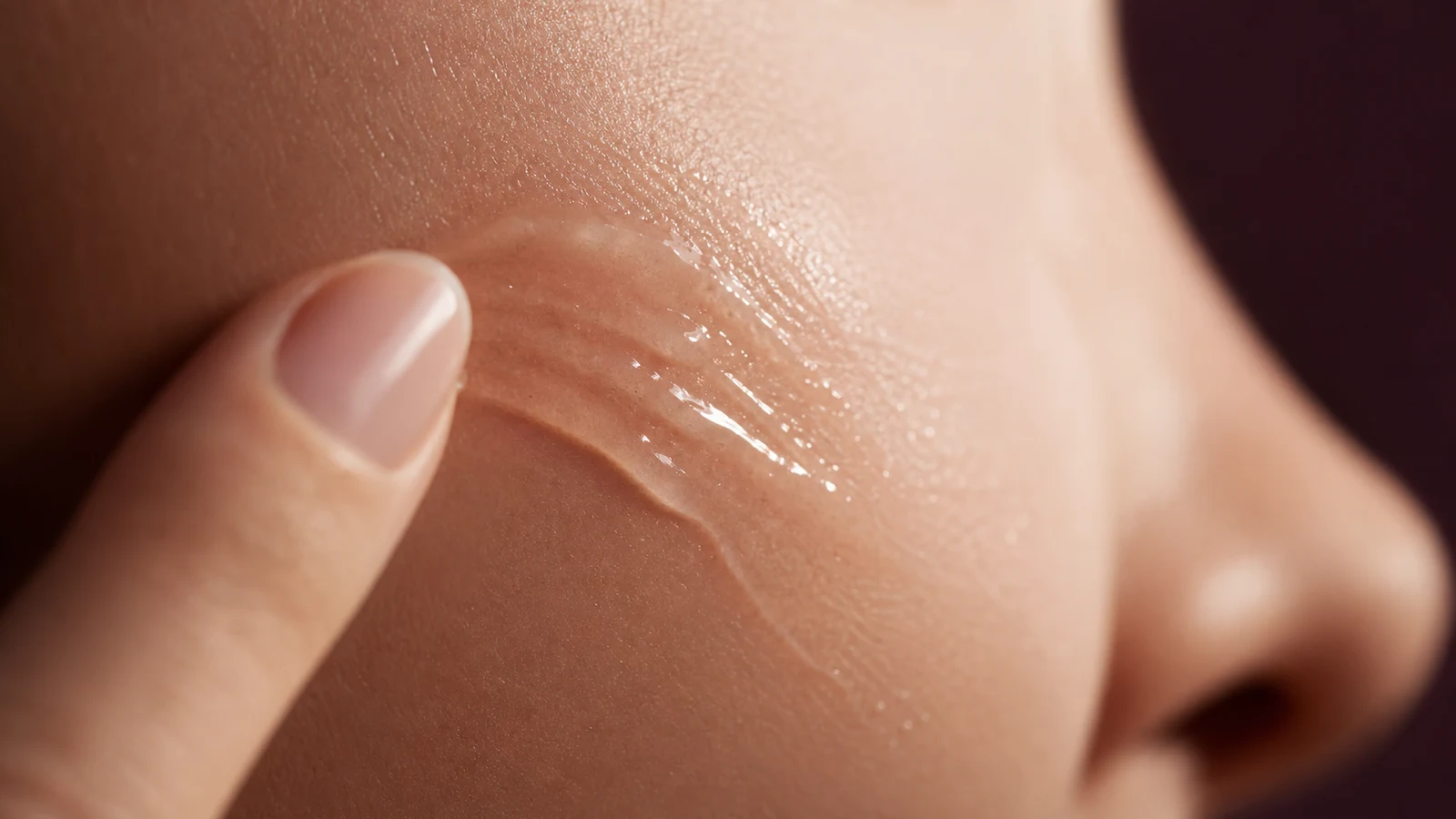
Serums are concentrated formulations designed to deliver specific active ingredients deep into the skin. After a procedure, the selection and application of serums are pivotal for expediting recovery and enhancing results. Focus on serums that offer hydration, soothing, or reparative benefits.
Hyaluronic acid serums are indispensable for their ability to attract and retain moisture, providing immediate hydration to compromised skin. Panthenol and allantoin help rebuild the lipid barrier, while anti-inflammatory ingredients like centella asiatica or niacinamide calm redness and discomfort. Introducing potent actives like Vitamin C should be approached with caution and only after initial healing, as discussed in detail in guides such as timing Vitamin C after microneedling. For barrier repair, peptides offer significant advantages, supporting collagen synthesis and cellular communication.
The Role of Moisturizers and Occlusives
Moisturizers serve to hydrate the skin and reinforce the compromised barrier. After serums, a rich yet non-comedogenic moisturizer should be applied. Look for formulations containing emollients that smooth and soften the skin, and humectants that draw moisture from the air. The aim is to create a breathable, protective layer that prevents transepidermal water loss.
In the initial days post-procedure, particularly for more ablative treatments, a thicker occlusive balm or cream may be recommended by your practitioner. These products create a physical barrier on the skin's surface, trapping moisture and protecting the delicate healing tissue. While highly effective for barrier support, it is important to choose occlusives that allow the skin to breathe and do not harbor bacteria, as improper product selection can lead to complications. For strategies on keeping skin hydrated after laser resurfacing without clogging pores, specific formulations are key.
Why Thoughtful Layering Maximizes Recovery
The precise art of how to layer skincare after procedure transcends simple product application; it is a meticulously orchestrated regimen designed to optimize skin recovery. Each product, when applied in the correct sequence, builds upon the benefits of the last, creating a synergistic effect. This methodical approach ensures that sensitive post-procedure skin receives the maximum therapeutic impact from each ingredient, from soothing hydration to essential barrier repair components.
Improper layering, conversely, can lead to diminished results or, more critically, irritation. Applying an occlusive too early, for instance, can prevent lighter serums from penetrating effectively. Introducing active ingredients prematurely can overwhelm the compromised barrier, leading to increased redness, sensitivity, or even delayed healing. A well-constructed layering protocol respects the skin's fragile state, guiding it gently through the recovery phases while fortifying its natural defenses.
Why Post-Procedure Care Works Best With Complementary Technologies
The efficacy of post-procedure layering is significantly enhanced when the chosen formulations integrate advanced bio-intelligent technologies. Nexovia’s ABA.4 Bio-Intelligent Architecture exemplifies this synergistic approach, providing a comprehensive solution engineered for compromised skin. This architecture combines several potent elements to support and accelerate the skin's natural healing cascade.
At its core, ABA.4 features a sophisticated peptide matrix, precisely formulated to signal cellular repair and collagen synthesis, crucial for rebuilding damaged tissue and enhancing skin resilience. Alongside this, a concentration of 4 billion particles/mL of plant exosomes facilitates intercellular communication, delivering vital growth factors and regenerative signals to distressed cells, a mechanism explored in further detail in our article on plant exosomes in skincare. The inclusion of PDRN at 1% provides nucleosides and nucleotides that are fundamental building blocks for DNA repair and tissue regeneration, a powerful component detailed in PDRN in skincare. Finally, NAD+ at 1% supports cellular energy production, critical for all repair processes, as elucidated in NAD+ for skin. Together, these components ensure that when you layer skincare after procedure, you are not merely hydrating, but actively furnishing the skin with the tools it needs for profound and efficient recovery.
Frequently Asked Questions
How soon after a procedure can I start layering products?
The timeline for reintroducing products varies significantly based on the specific aesthetic treatment and your practitioner's instructions. Generally, immediately after more aggressive procedures like ablative lasers, a very simple, occlusive balm may be the only product recommended for the first 24-72 hours. For less invasive treatments, a gentle hydrating serum and moisturizer might be appropriate sooner. Always consult your practitioner for personalized guidance.
Can I use my regular active serums (e.g., retinol, AHAs) after a procedure?
No, it is crucial to avoid potent active ingredients like retinoids, alpha hydroxy acids (AHAs), beta hydroxy acids (BHAs), and strong forms of Vitamin C immediately after most aesthetic procedures. These can cause significant irritation, inflammation, and impede the healing process on compromised skin. Your practitioner will advise when it is safe to gradually reintroduce these products, typically after the initial healing phase, which can range from days to weeks.
What is the ideal order for applying post-procedure products?
The general principle is to apply products from the thinnest consistency to the thickest. After a gentle cleanse, start with any targeted treatment essences or very light hydrating serums. Follow with more viscous serums, then your moisturizer, and finally, if recommended, a protective occlusive balm. Sunscreen is the last step in your morning routine.
How can I tell if a product is irritating my post-procedure skin?
Signs of irritation include increased redness, stinging, burning, itching, excessive dryness, or unexpected swelling. If you experience any of these symptoms after applying a product, discontinue its use immediately and gently cleanse the area. If symptoms persist or worsen, contact your practitioner for advice.
Is SPF still necessary even if I'm mostly indoors during recovery?
Yes, daily sun protection is absolutely essential, even when indoors, especially after an aesthetic procedure. Compromised skin is highly susceptible to UV damage, which can lead to hyperpigmentation, delayed healing, and further irritation. Use a broad-spectrum mineral sunscreen with at least SPF 30, reapplying as directed, even when near windows.
This content is for informational purposes only and does not constitute medical advice. Always follow the specific aftercare instructions provided by your practitioner, as recommendations may vary based on your individual treatment and skin type.
Disclaimer: This article is for educational purposes only and is not medical advice. Always follow your provider's guidance after cosmetic procedures.