Journal
Why Hyaluronic Acid Belongs in Every Post-Procedure Routine
Hyaluronic acid is an indispensable component of post-procedure skincare, offering profound hydration and supporting the skin's natural repair mechanisms for optimal recovery and enhanced results.
July 28, 2026 / 6 min read
Following an aesthetic procedure, the skin enters a delicate phase of repair and regeneration. This period demands a considered approach to skincare, one that prioritizes both efficacy and gentle support. While various ingredients contribute to post-procedure healing, hyaluronic acid stands as a foundational pillar, indispensable for its unparalleled ability to restore hydration and foster an optimal environment for recovery.
It is a molecule celebrated for its simplicity and profound impact, a humectant naturally abundant within our own skin. In the context of post-procedure care, its role transcends mere hydration, evolving into a critical agent for barrier integrity, soothing comfort, and the enhancement of regenerative processes.
The Post-Procedure Skin Landscape: A State of Vulnerability
Aesthetic treatments, from microneedling to laser resurfacing, are designed to stimulate the skin's natural healing response, leading to renewal. However, this process inherently involves a temporary compromise of the skin barrier. The epidermis, our primary protective shield, becomes more permeable, leading to increased transepidermal water loss (TEWL) and heightened sensitivity. This state of vulnerability necessitates meticulous care to prevent complications and optimize outcomes.
When the skin barrier is compromised, it struggles to retain moisture, leaving the skin feeling tight, dry, and more susceptible to environmental aggressors. Understanding this delicate balance is crucial for effective aftercare. A detailed exploration of this phenomenon can be found in our guide on What Is Skin Barrier Compromise? The Science Behind Post-Procedure Sensitivity.
Hyaluronic Acid: A Cornerstone of Hydration and Repair
Hyaluronic acid (HA) is a glycosaminoglycan, a polysaccharide naturally present in the skin, eyes, and joints. Its remarkable capacity to attract and hold up to 1,000 times its weight in water makes it an exceptional humectant. In the skin, HA contributes significantly to its plumpness, elasticity, and overall hydration.
In post-procedure formulations, HA is often utilized in various molecular weights. High molecular weight HA forms a protective, hydrating film on the skin's surface, reducing water loss. Lower molecular weight HA penetrates more deeply, supporting hydration within the epidermal layers and contributing to a more supple skin texture. This multi-depth hydration is particularly beneficial for compromised skin, ensuring comprehensive moisture replenishment.
Barrier Support and Integrity
A primary benefit of hyaluronic acid post procedure is its ability to support the restoration of the skin barrier. By drawing moisture from the environment and binding it to the skin, HA helps to fortify the lipid matrix, which is essential for barrier function. A robust skin barrier is less prone to irritation, infection, and excessive water loss, facilitating a smoother and more comfortable healing process.
Reducing Inflammation and Redness
Post-procedure skin often exhibits varying degrees of inflammation, redness, and discomfort. While not an anti-inflammatory in the traditional sense, hyaluronic acid's hydrating and barrier-supporting properties contribute indirectly to soothing the skin. By maintaining optimal hydration and strengthening the skin's defenses, HA can help mitigate the inflammatory cascade, reducing visible redness and promoting a calmer complexion. For further insights into managing post-treatment redness, consider our article on How to Reduce Redness After Laser Treatment.
Optimizing Cellular Function for Regeneration
A well-hydrated cellular environment is paramount for efficient cellular repair and regeneration. Hyaluronic acid creates a moist milieu that supports fibroblast activity, collagen synthesis, and overall tissue remodeling, which are critical processes during post-procedure healing. This optimal environment ensures that the skin's natural regenerative mechanisms can function at their peak, leading to superior aesthetic outcomes.
Integrating Hyaluronic Acid into Your Recovery Regimen
Incorporating hyaluronic acid into a post-procedure skincare routine is straightforward yet impactful. It is typically applied to clean, slightly damp skin immediately after cleansing, allowing it to draw in ambient moisture and the water from the cleansing process. Following HA application, layering with an occlusive moisturizer helps to seal in the hydration, preventing evaporation and maximizing its benefits.
Consistency is key. Daily application, often twice a day, ensures continuous hydration and barrier support throughout the recovery period. This thoughtful layering strategy is a cornerstone of an effective Post-Procedure Skincare Routine, designed to nurture the skin back to health.
Why Hyaluronic Acid Works Best With Complementary Technologies
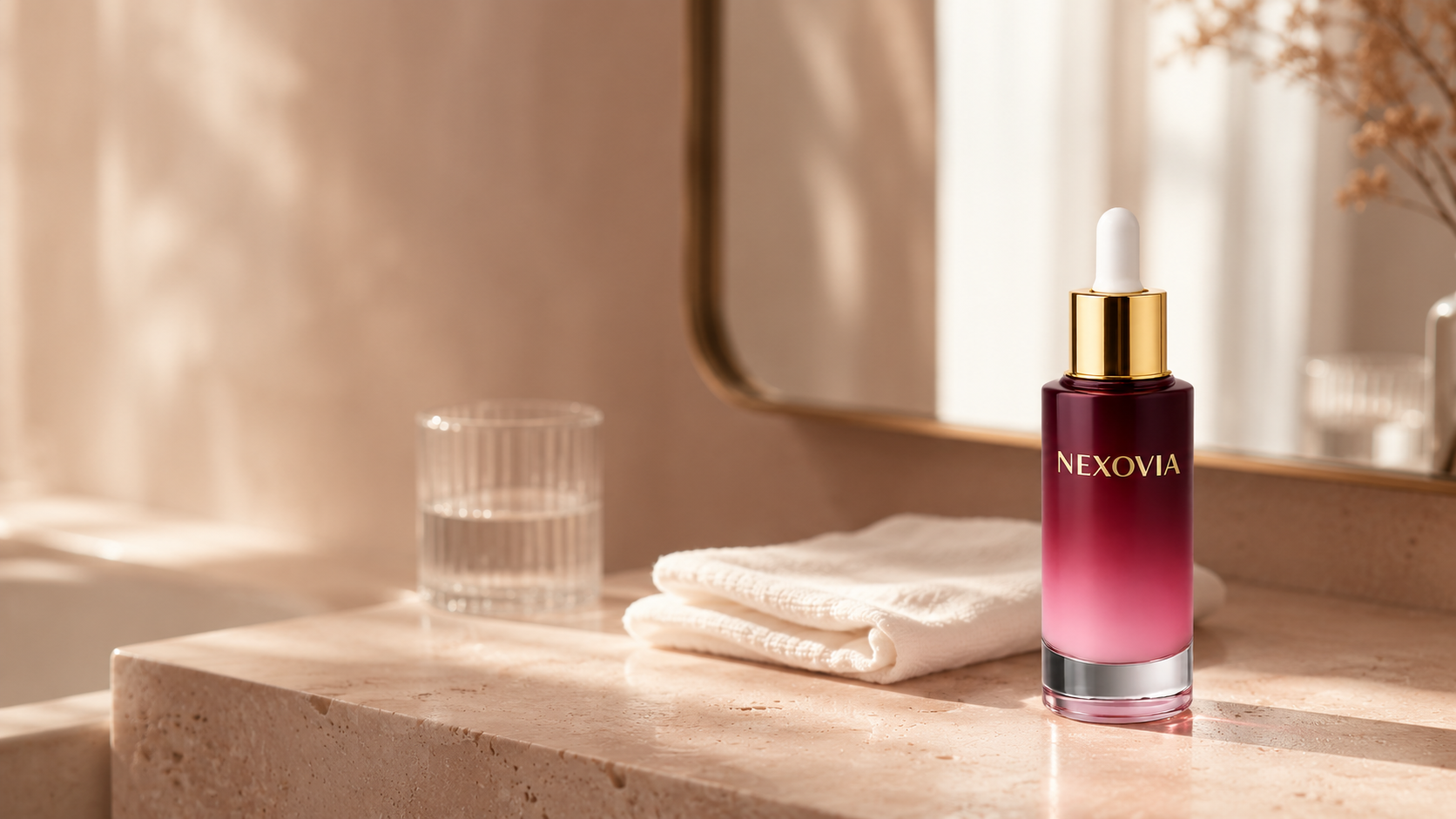
While hyaluronic acid provides an essential foundation of hydration and barrier support, its benefits are amplified when combined with advanced biotechnologies designed for cellular repair and regeneration. Nexovia’s ABA.4 Bio-Intelligent Architecture represents this synergistic approach, integrating HA with a sophisticated complex of active ingredients to elevate post-procedure recovery.
Our ABA.4 Bio-Intelligent Architecture is formulated to work in concert with HA, delivering targeted signals for cellular repair. It features a potent peptide matrix, which provides building blocks for collagen and elastin, alongside plant exosomes, meticulously engineered to deliver 4 billion particles/mL. These exosomes act as intelligent messengers, facilitating intercellular communication and supporting tissue regeneration. Further enhancing this complex are PDRN at 1%, known for its DNA repair and growth factor stimulation capabilities, and NAD+ at 1%, a critical coenzyme that fuels cellular energy production and repair pathways.
This comprehensive blend ensures that while hyaluronic acid maintains optimal hydration, the ABA.4 Bio-Intelligent Architecture actively drives cellular renewal, accelerates healing, and strengthens the skin's intrinsic resilience. The result is a recovery that is not only faster and more comfortable but also leads to more refined and enduring aesthetic outcomes.
Frequently Asked Questions
Can I use any hyaluronic acid product after my procedure?
It is advisable to use a hyaluronic acid product specifically formulated for post-procedure care. These products are typically free from fragrances, alcohol, and other irritants, ensuring maximum gentleness for compromised skin. Consult your practitioner for specific product recommendations.
How often should I apply hyaluronic acid during my recovery?
For optimal hydration and support, hyaluronic acid should generally be applied twice daily, in the morning and evening, after cleansing and before heavier moisturizers. Your practitioner may provide a specific schedule tailored to your procedure and healing progress.
Will hyaluronic acid make my skin peel more after a chemical peel or laser?
No, hyaluronic acid will not increase peeling. In fact, by providing essential hydration, it can help manage the dryness and tightness often associated with peeling, making the process more comfortable and supporting healthy skin turnover.
Can I use hyaluronic acid with other active ingredients in my post-procedure routine?
Hyaluronic acid is highly compatible and can be safely layered with most post-procedure actives. It often enhances the efficacy of other restorative ingredients by improving skin's receptivity. However, always introduce new products cautiously and follow your practitioner's specific aftercare instructions.
Is hyaluronic acid safe for all types of aesthetic procedures?
Generally, hyaluronic acid is considered safe and beneficial for nearly all types of aesthetic procedures that involve skin trauma or require intensive hydration. Its non-irritating nature makes it suitable for sensitive, recovering skin. Always confirm with your practitioner regarding your specific treatment protocol.
This content is for informational purposes only and does not constitute medical advice. Always follow the specific aftercare instructions provided by your practitioner, as recommendations may vary based on your individual treatment and skin type.
Disclaimer: This article is for educational purposes only and is not medical advice. Always follow your provider's guidance after cosmetic procedures.