Journal
Why Sensitive Skin Reacts to Aesthetic Procedures and How to Manage It
Sensitive skin does not need to avoid procedures, but it does need a different approach. Here is what reactivity actually is and how to plan around it.
August 27, 2026 / 6 min read
Sensitive skin is sometimes treated as a category of personality rather than physiology. The truth is more useful: skin sensitivity is the measurable consequence of a barrier that is more permeable than average, paired with a nervous system that responds more readily to small stimuli. People with sensitive skin can absolutely benefit from aesthetic procedures. They simply need a different approach to before, during, and after the treatment.

This article explains what sensitivity actually is in clinical terms, why procedures provoke it, and how to plan a routine that respects the skin's particular tolerance.
What Sensitive Skin Actually Is
The term "sensitive skin" describes a phenotype rather than a single condition. Three components are usually present at once: a thinner or more permeable stratum corneum, a heightened response of cutaneous nerves to stimuli that ordinarily would not produce sensation, and a tendency toward visible vascular reactivity, the flushing and persistent redness that often accompanies the experience.
None of these features is a defect. They are variants of normal skin biology, sometimes inherited, sometimes the consequence of long-term exposure to ingredients or environments that gradually compromised the barrier. What they have in common is that the skin reacts faster, more visibly, and with less stimulus than skin that does not share this phenotype.
Why Procedures Trigger Sensitivity
Every aesthetic procedure works by producing controlled injury and relying on the body's healing response to remodel the skin. For sensitive skin, the same procedure that produces a manageable response in another patient can produce a more pronounced, longer-lasting reaction. This is not because the procedure was wrong; it is because the baseline reactivity was higher.
The reaction is a combination of elevated transepidermal water loss, more visible inflammation, and amplified nerve signaling. Practically, this looks like longer-lasting redness, more days of tightness, more visible flushing in response to ordinary triggers, and a slower return to baseline comfort.
Pre-Treatment Preparation: Two Weeks of Restraint
Sensitive skin benefits enormously from a preparation period in the two weeks before a procedure. The principle is simple: arrive at the appointment with the calmest, most resilient barrier possible, so the procedure has less inflammation to add on top of.
That preparation looks like the elimination of unnecessary actives, the introduction of barrier-supporting hydration, and the discontinuation of mechanical exfoliation. Retinoids, alpha-hydroxy acids, and benzoyl peroxide are paused. Cleansing simplifies. Sun exposure becomes more deliberately managed.
This is not a deprivation routine; it is a conditioning routine. Skin that arrives at the appointment with intact barrier function recovers faster and reacts less.
What Happens During and Immediately After
The day of the procedure, sensitive skin should expect more visible immediate response than the practitioner's "average" patient experiences. More redness, more warmth, possibly some swelling. None of this is a complication; it is the predictable expression of a more reactive baseline.
The first 24 hours are spent doing as little as possible. Cleansing with water alone or the gentlest cleanser the practitioner approves. Application of the recovery serum or balm specified. No actives. No makeup. Sun avoidance, not just SPF.
The Recovery Window: Patience as a Strategy
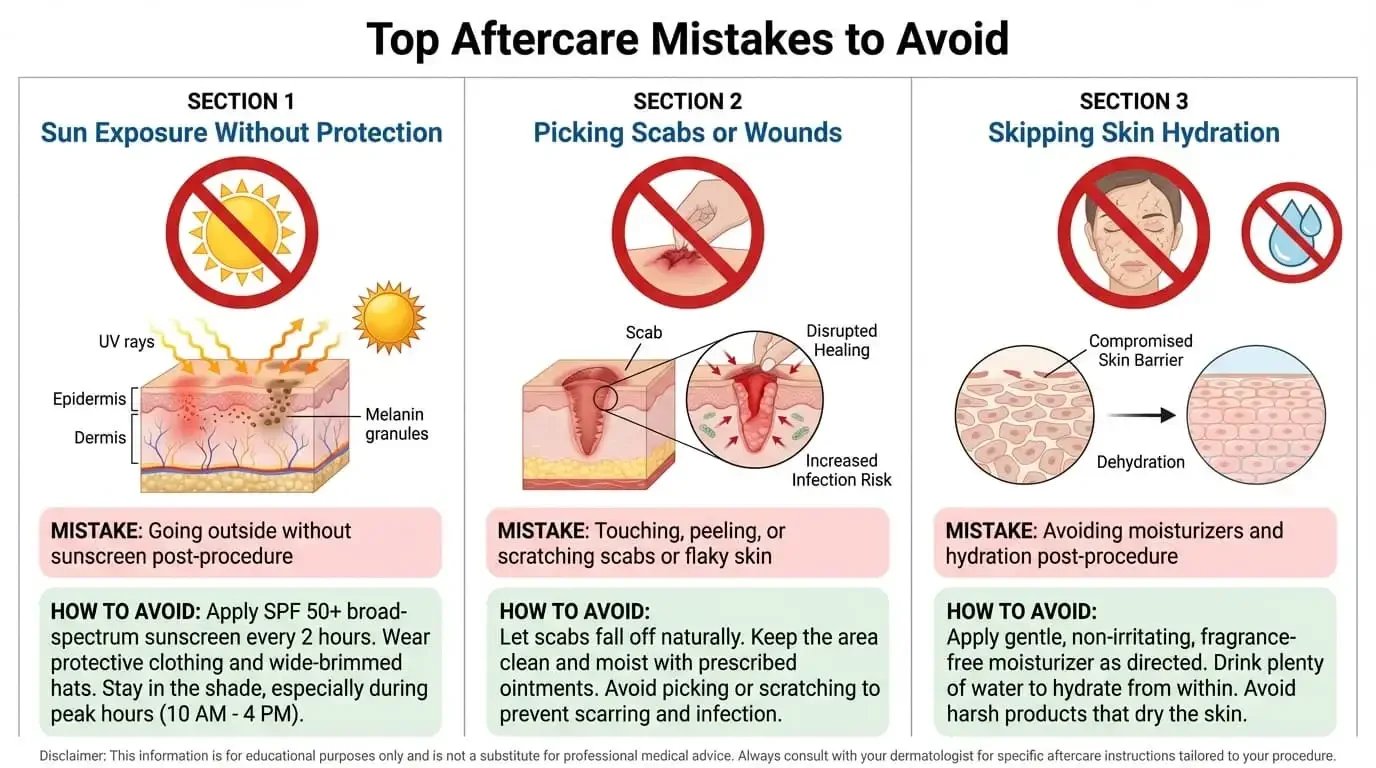
The single most useful posture during recovery for sensitive skin is patience. Reactivity decreases with time, not with intervention. Adding more products earlier than recommended is the single most common mistake patients with sensitive skin make, and it almost always extends rather than shortens the recovery window.
The recovery window for sensitive skin is typically 30 to 50 percent longer than the practitioner's stated average. If the standard protocol calls for a five-day window of restraint, plan for seven. If retinol returns at week two for most patients, plan for week three.
Within that window, the routine should be simple, repetitive, and unprovocative. Hydration. Soothing botanicals. Sun avoidance. Nothing experimental. Nothing new.
Why Targeted Architectures Matter for Sensitive Skin
Generic recovery products often fail sensitive skin because they assume an average tolerance. They include preservatives, fragrances, or active concentrations that average skin handles fine but that reactive skin cannot. The most appropriate post-procedure formulation for sensitive skin combines four properties: ingredients that are known to be well tolerated, a low concentration of fragrance and irritants, a balanced pH, and a multi-mechanism approach to recovery rather than a single dramatic active.
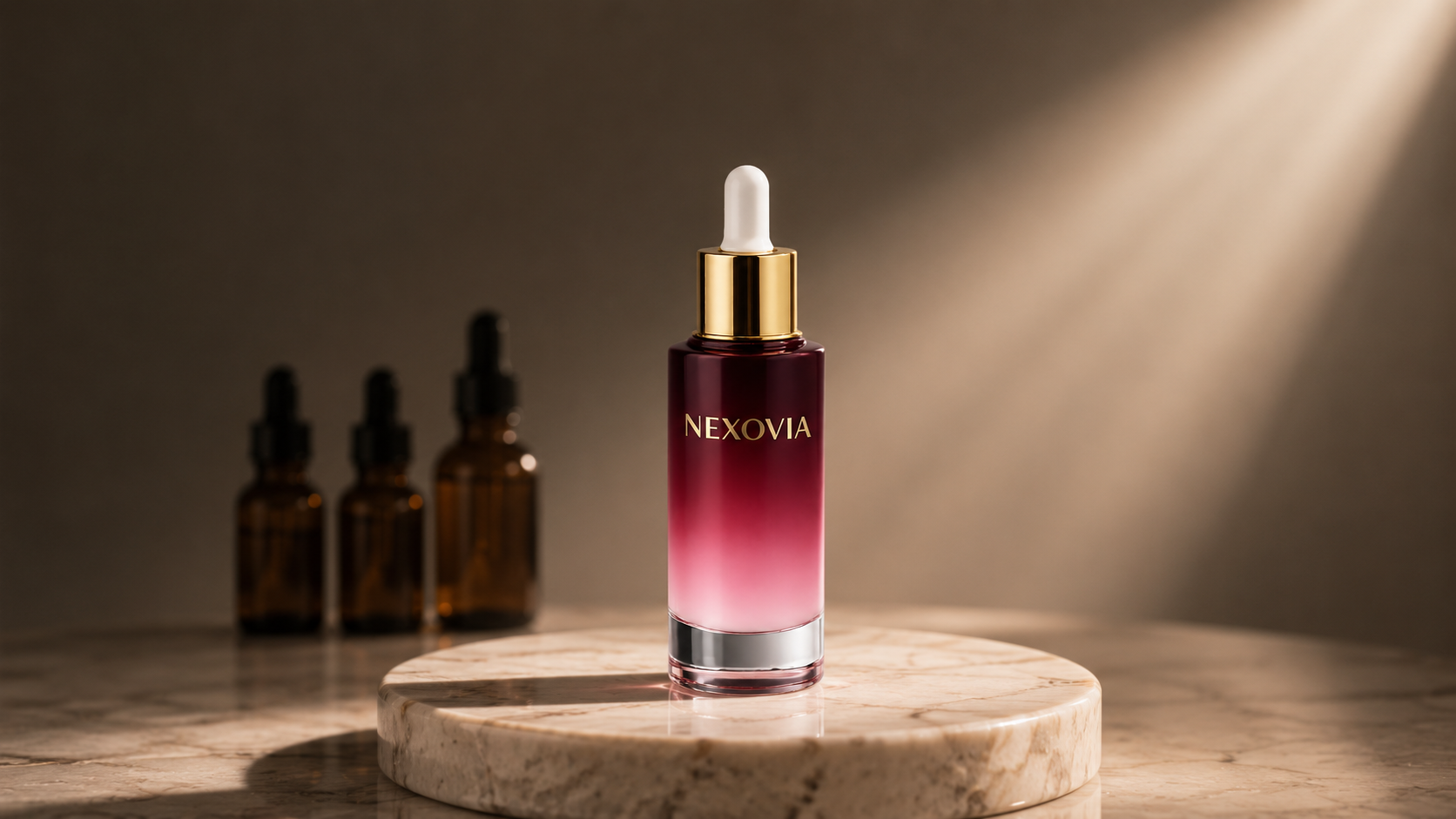
This is the rationale behind the architecture in Nexovia's ABA.4 formulation. The peptide matrix supports structural barrier rebuilding without irritation. Plant exosomes at four billion particles per millilitre coordinate cellular communication through pathways that do not depend on inflammation. PDRN at one percent activates regenerative signaling through adenosine receptors, which has a notably calming profile compared with mechanically irritating actives. NAD+ at one percent fuels the cellular activity that healing requires. The result is a recovery routine that supports repair without provoking the very reactivity it is meant to address. Centella asiatica, peptide, and hyaluronic acid work alongside this in compatible roles.
Frequently Asked Questions
Should I avoid procedures entirely if I have very sensitive skin?
Not at all. Sensitive skin can benefit greatly from procedures; the considerations are timing, depth, and recovery support. Discuss your sensitivity profile candidly with your practitioner so they can adjust technique and depth accordingly.
Are all aesthetic procedures safe for sensitive skin?
Most are, with appropriate adjustment. Some practitioners reduce density of microneedling passes, lower energy settings on lasers, or choose gentler peel formulations for sensitive patients. The right procedure for sensitive skin is one calibrated to your specific tolerance.
How long should I wait between procedures?
Sensitive skin generally benefits from longer intervals between sessions. If the practitioner suggests a four-week interval as the average, sensitive skin often does better with six. Letting the barrier fully restore between sessions reduces cumulative reactivity.
Will my skin become less sensitive over time with consistent treatment?
It can. Sensitivity that is the result of years of barrier compromise often improves as the barrier rebuilds. Sensitivity that is constitutional may not change significantly, but the symptoms can be reduced through consistent barrier support and procedure selection.
What is the single most important habit for sensitive skin?
Restraint. Not adding new products, not increasing concentrations, not testing combinations during recovery windows. Doing less, more consistently, produces more visible improvement than aggressive intervention.
This content is for informational purposes only and does not constitute medical advice. Always follow the specific aftercare instructions provided by your practitioner, as recommendations may vary based on your individual treatment and skin type.
Disclaimer: This article is for educational purposes only and is not medical advice. Always follow your provider's guidance after cosmetic procedures.