Journal
Morpheus8 Recovery Timeline: A Day-by-Day Healing Guide
Understanding the Morpheus8 recovery timeline is essential for optimizing results and ensuring a smooth healing process. This guide outlines what to expect day by day.
June 25, 2026 / 6 min read
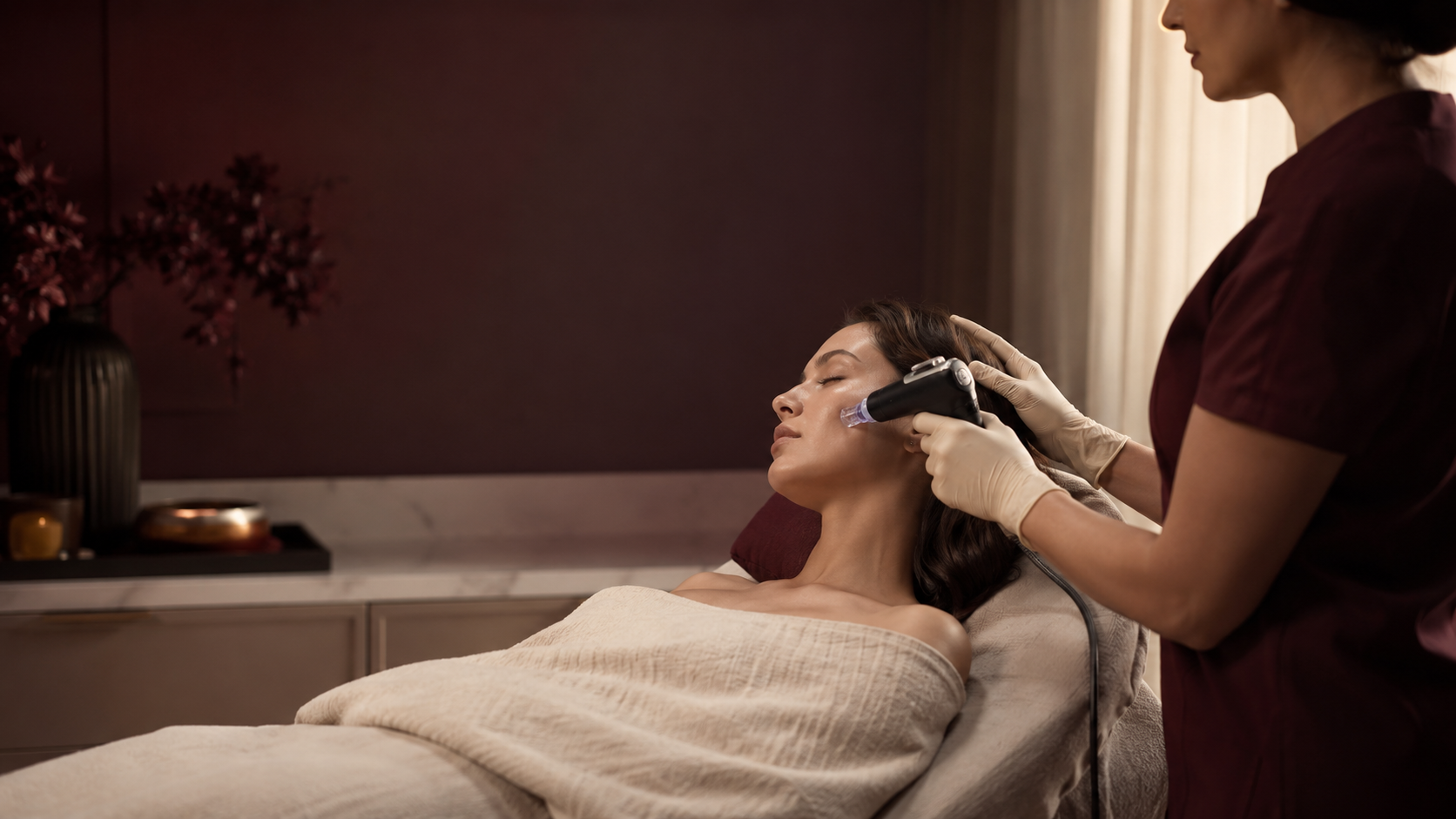
Morpheus8, an advanced fractional radiofrequency (RF) microneedling treatment, represents a significant step forward in skin remodeling and rejuvenation. By combining microneedling with targeted RF energy, it stimulates collagen and elastin production deep within the dermal layers, addressing concerns from textural irregularities to laxity.
As with any procedure that initiates a regenerative response, a clear understanding of the Morpheus8 recovery timeline is paramount. Navigating the post-treatment phase with informed care is not merely about comfort; it is integral to achieving the desired outcome and maintaining skin health.
This guide offers a structured overview of the typical healing progression, detailing what to anticipate day by day. It provides insights into managing common post-procedure sensations and outlines the practices that support optimal recovery, setting the foundation for refined and resilient skin.
Understanding Morpheus8 and Its Mechanism
Morpheus8 operates by delivering RF energy through a matrix of fine needles into the skin. These micro-injuries, coupled with thermal energy, trigger the body's natural healing cascade, leading to the synthesis of new collagen and elastin fibers. This process tightens skin, improves texture, and reduces the appearance of wrinkles, scars, and stretch marks.
The depth of treatment can be adjusted, allowing for precise customization based on individual skin concerns and anatomical areas. This adaptability contributes to its efficacy across various skin types and tones. The controlled damage initiates a predictable inflammatory response, which is the precursor to significant cellular regeneration.
The Immediate Aftermath: Days 1-3 (Acute Phase)
The initial 72 hours following a Morpheus8 treatment are characterized by the most pronounced visible and tactile changes. Immediately post-procedure, the treated area will exhibit erythema, a redness akin to a moderate sunburn. This is a normal physiological response to the micro-injuries and thermal energy.
Swelling is also common, particularly in delicate areas such as around the eyes. This interstitial fluid accumulation typically peaks within the first 24-48 hours. Patients may also observe tiny pinpoint scabs or micro-lesions, which are the superficial manifestations of the needle punctures. These should not be picked or disturbed. Gentle cleansing with a mild, pH-balanced cleanser and the application of a reparative occlusive balm are often recommended. Avoiding direct sun exposure and strenuous activity is crucial during this period. For more detailed guidance on managing post-procedure swelling, refer to our article on how to calm swelling after RF microneedling.
Navigating the Healing Progression: Days 4-7 (Sub-Acute Phase)
As the acute inflammation subsides, the skin transitions into a more discernible healing phase. Redness typically diminishes significantly, though a faint pink hue may persist for several days. Swelling should also considerably decrease. The micro-scabs will become more prominent, resembling fine sandpaper texture on the skin's surface. These are a natural part of the healing process and will flake off spontaneously.
During this period, the skin may feel noticeably tight and dry. This sensation is often indicative of skin barrier compromise and the ongoing regenerative activities beneath the surface. Consistent hydration with appropriate, non-comedogenic emollients is essential to support barrier function and mitigate discomfort. It is imperative to continue strict sun protection, using a broad-spectrum mineral sunscreen. Reintroducing active ingredients, such as retinoids or alpha-hydroxy acids, is generally discouraged until the skin has fully recovered.
Emergence and Refinement: Weeks 2-4 (Remodeling Phase)
By the second week, most superficial healing should be complete. The micro-scabs will have fully exfoliated, revealing smoother, more even-toned skin beneath. Residual redness may still be present in some individuals, particularly those with sensitive skin or deeper treatments, but it should be manageable. This phase marks the beginning of the deeper collagen remodeling process, which will continue for several weeks to months.
Gradual reintroduction of a regular skincare regimen can commence, with careful attention to products that support skin barrier repair and cellular regeneration. It is advisable to consult with your practitioner before reincorporating potent active ingredients. Makeup can typically be worn again, though ensuring tools are clean and products are non-irritating is important. For guidance on building a supportive regimen, consider our post-procedure skincare guide.
Long-Term Care and Maintenance
The benefits of Morpheus8 are progressive, with optimal results often becoming apparent several weeks to months after the final session. Sustaining these improvements requires a commitment to diligent long-term skincare. Consistent sun protection remains non-negotiable to prevent pigmentary changes and protect the newly formed collagen.
A gentle, nourishing skincare routine that incorporates antioxidants, hydrating agents, and barrier-supporting ingredients will help maintain skin health and prolong the effects of the treatment. Periodic maintenance treatments, as recommended by your practitioner, can also help to sustain the rejuvenated appearance over time.
Why Morpheus8 Works Best With Complementary Technologies
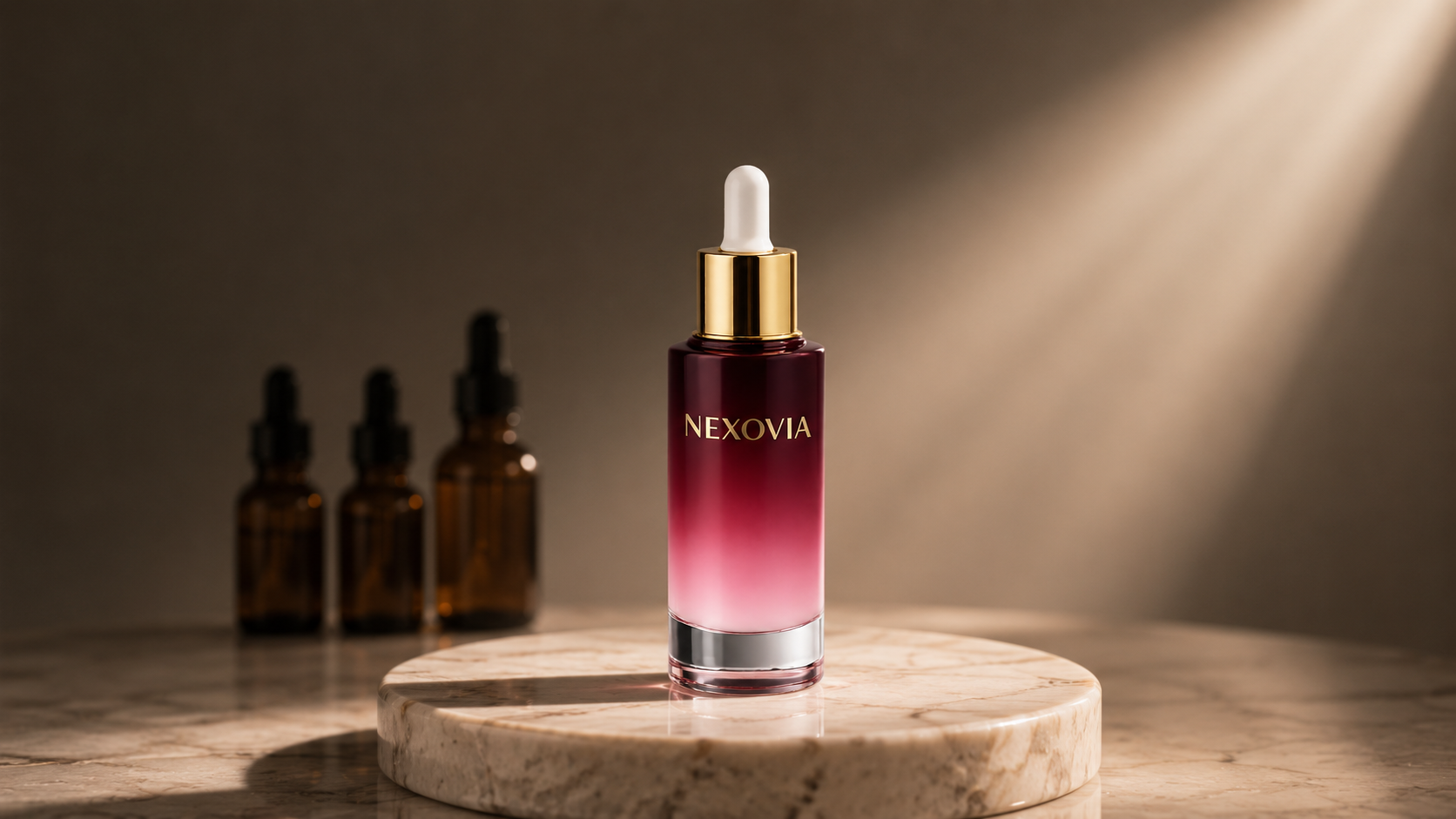
The efficacy of Morpheus8 lies in its ability to create controlled micro-injuries and deliver thermal energy, prompting the skin's innate healing and remodeling capabilities. To optimize this regenerative process, especially during the crucial recovery timeline, supporting the skin with advanced bio-intelligent architecture is essential. Nexovia's ABA.4 Bio-Intelligent Architecture is engineered to work synergistically with such procedures, providing the necessary elements for enhanced cellular repair and rejuvenation.
ABA.4 integrates a sophisticated peptide matrix, which communicates with skin cells to facilitate repair and strengthen the dermal structure. It also harnesses the power of plant exosomes (4 billion particles/mL), microscopic messengers that deliver vital proteins and growth factors to damaged cells, accelerating healing. Learn more about plant exosomes in skincare.
Further augmenting this matrix are PDRN (1%), polynucleotides derived from salmon DNA, known for their remarkable tissue repair and anti-inflammatory properties. Explore the science behind PDRN in skincare. Finally, NAD+ (1%) is included to boost cellular energy production, critical for efficient repair and regeneration, ensuring cells have the fuel to rebuild and restore. This comprehensive approach ensures the skin is not merely recovering, but actively regenerating with maximal efficiency and integrity.
Frequently Asked Questions
How long does Morpheus8 redness last?
Initial redness, similar to a sunburn, typically subsides significantly within 3-5 days. A faint pink hue may persist for up to a week or slightly longer, especially after more intensive treatments or for individuals with sensitive skin. Consistent use of soothing, reparative products and strict sun protection can help mitigate this.
When can I wear makeup after Morpheus8?
It is generally advised to avoid applying makeup for at least 24-48 hours post-treatment to allow the skin to breathe and to prevent irritation or infection in the micro-channels. After this initial period, mineral-based makeup can typically be used, ensuring all application tools are clean.
What should I avoid after Morpheus8?
Immediately after Morpheus8, avoid direct sun exposure, strenuous exercise, excessive heat (hot showers, saunas), and swimming for at least 3-5 days. Refrain from using abrasive exfoliants, retinoids, or active acids for at least a week, or as advised by your practitioner. Do not pick at any micro-scabs.
Is it normal for my skin to feel rough after Morpheus8?
Yes, it is common for the skin to feel rough, like sandpaper, during days 3-7. This sensation is due to the formation of micro-scabs from the treatment, which will naturally flake off as the skin heals. It is important not to pick or exfoliate them prematurely.
How many Morpheus8 sessions are typically needed?
The number of Morpheus8 sessions required varies based on individual concerns and desired outcomes, but typically a series of 1-3 treatments, spaced 4-6 weeks apart, is recommended for optimal results. Your practitioner will create a personalized treatment plan.
This content is for informational purposes only and does not constitute medical advice. Always follow the specific aftercare instructions provided by your practitioner, as recommendations may vary based on your individual treatment and skin type.
Disclaimer: This article is for educational purposes only and is not medical advice. Always follow your provider's guidance after cosmetic procedures.