Journal
What Is Allantoin and Why Is It in Post-Procedure Skincare
Allantoin, a revered compound in advanced skincare, offers profound soothing and regenerative properties essential for post-procedure recovery. Its ability to calm irritation and support cellular renewal makes it an indispensable ingredient.
August 13, 2026 / 7 min read
What Is Allantoin and Why Is It in Post-Procedure Skincare
In the landscape of sophisticated skincare, certain ingredients distinguish themselves through a remarkable synergy of efficacy and gentle action. Allantoin is one such compound, a naturally occurring substance celebrated for its profound ability to soothe, protect, and rejuvenate compromised skin. Its presence in advanced formulations signifies a commitment to comprehensive skin health, particularly in the delicate aftermath of aesthetic procedures.
The meticulous care required following treatments such as laser resurfacing, chemical peels, or microneedling demands ingredients that support the skin's intrinsic healing mechanisms without inducing further stress. Allantoin in skincare emerges as a cornerstone of this post-procedure regimen, offering a suite of benefits that address the immediate needs of vulnerable skin, from calming irritation to fostering optimal recovery.
Understanding the precise mechanisms by which allantoin operates reveals its indispensable value. It is not merely a superficial balm but a scientifically validated agent that actively contributes to a more comfortable and efficient healing process, ensuring the skin returns to its state of equilibrium with refined resilience.
The Origins and Nature of Allantoin
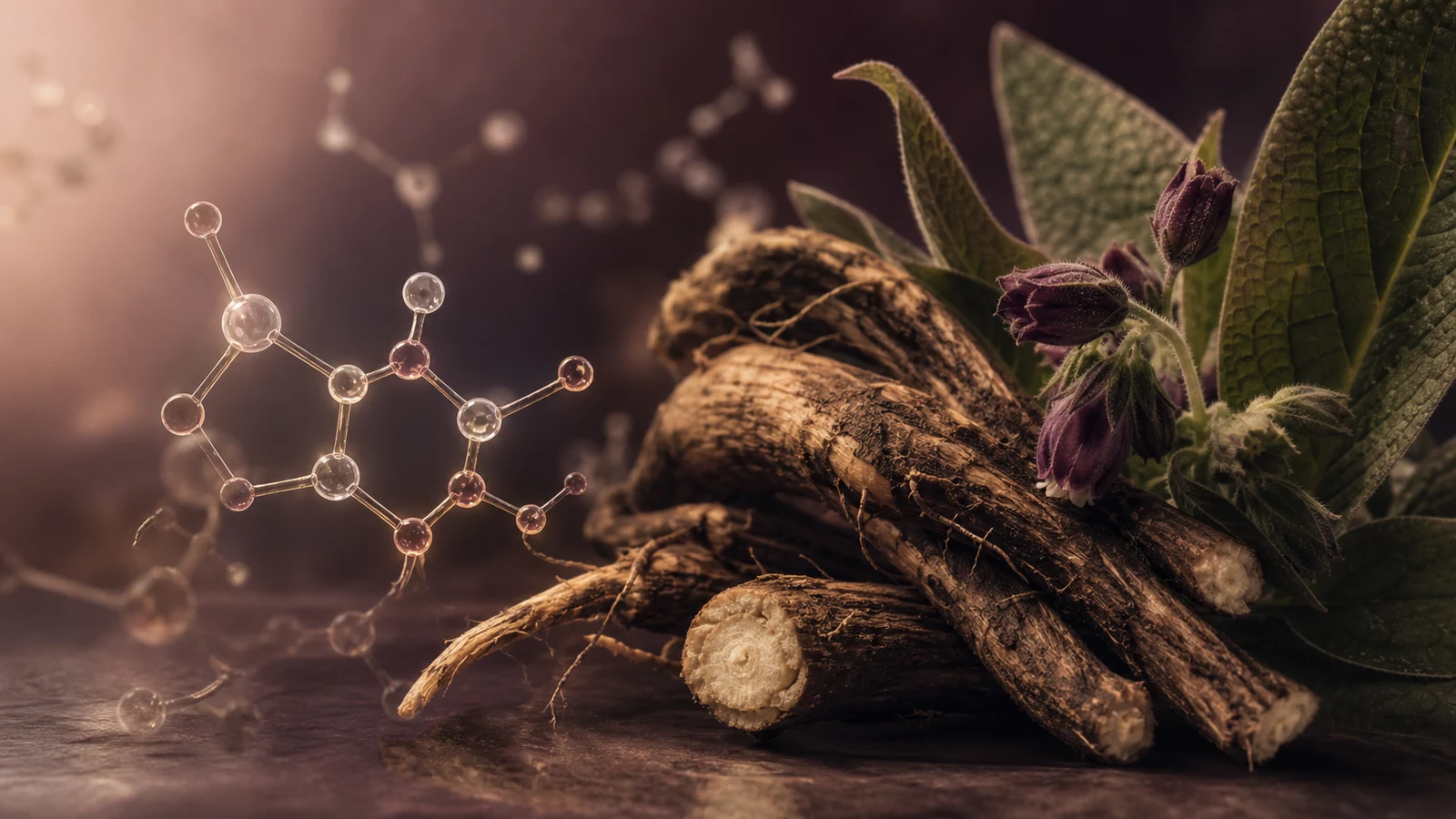
Allantoin is a nitrogen-containing heterocyclic compound, chemically known as 5-ureidohydantoin. While it can be synthetically produced, its origins are deeply rooted in the botanical world. It is naturally found in various plants, most notably in the root of the comfrey plant (Symphytum officinale), an herb historically revered for its healing properties. Other sources include sugar beet, chamomile, and wheat sprouts. This natural provenance lends allantoin an inherent affinity with biological processes, making it a compelling choice for skin recovery.
The compound's structure allows it to interact effectively with the skin, imparting its renowned soothing and regenerative effects. Its gentle nature, coupled with its profound benefits, positions allantoin as a preferred ingredient for sensitive or post-procedure skin. The consistent efficacy of allantoin in skincare formulations underscores its reliability and scientific merit.
Allantoin's Multifaceted Benefits for Compromised Skin
The period following an aesthetic procedure often leaves the skin in a state of heightened sensitivity and compromise. Allantoin offers a comprehensive approach to managing these challenges, providing multiple benefits that are critical for a smooth recovery.
Soothing and Anti-Irritant Properties
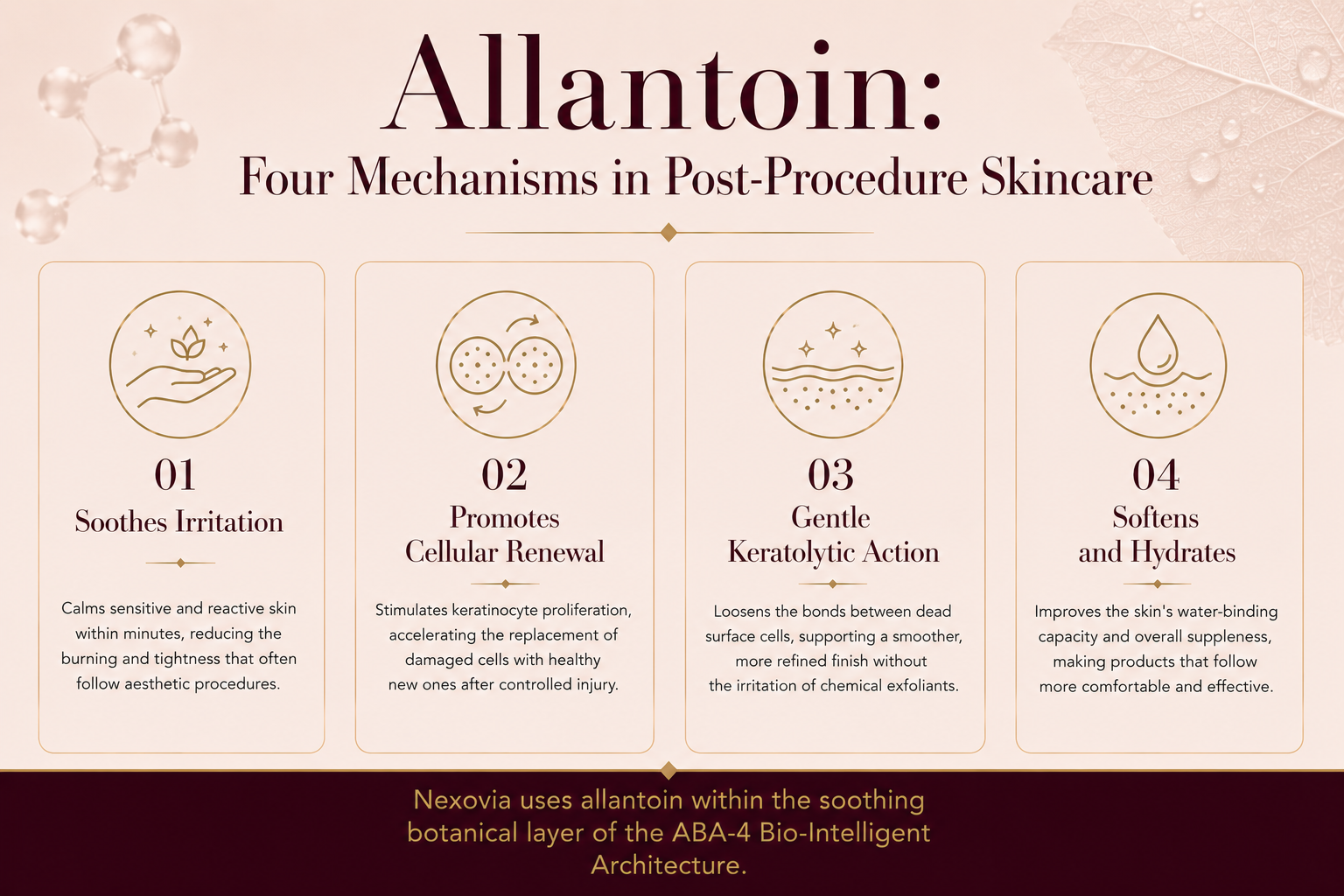
One of allantoin's most recognized attributes is its ability to soothe and calm irritated skin. Post-procedure skin frequently exhibits redness, discomfort, and a feeling of vulnerability. Allantoin works by reducing inflammation and alleviating these sensations, providing immediate relief. It acts as a protective agent, forming a barrier that helps shield the skin from environmental aggressors while it heals. This calming effect is paramount for enhancing patient comfort and minimizing visible signs of distress.
Keratolytic Action and Cellular Renewal
Allantoin possesses mild keratolytic properties, meaning it can help to soften and loosen the outer layer of the skin. This gentle exfoliation facilitates the natural shedding of dead skin cells, promoting a smoother texture without causing irritation. Crucially, allantoin also stimulates cell proliferation, encouraging the growth of healthy new tissue. This dual action supports the skin's natural regenerative cycle, accelerating the repair of damaged areas and contributing to a more refined complexion post-treatment. This process is vital for addressing skin barrier compromise.
Hydration and Barrier Support
Maintaining optimal hydration is fundamental for healthy skin barrier function, particularly after procedures that can temporarily disrupt its integrity. Allantoin acts as a humectant, drawing moisture from the environment into the skin and helping to retain it. This increased hydration contributes to a plumper, more supple feel and aids in reinforcing the skin's natural protective barrier. A robust skin barrier is less susceptible to external irritants and more efficient in retaining essential moisture, which is critical for preventing complications and ensuring long-term skin health.
Why Allantoin is Essential in Post-Procedure Skincare
The rationale for including allantoin in post-procedure skincare is rooted in its capacity to directly address the unique needs of skin undergoing a healing phase. Aesthetic treatments, while beneficial, intentionally create controlled micro-injuries to stimulate regeneration. This process can lead to temporary redness, swelling, tightness, and sensitivity. Allantoin provides targeted support, mitigating these common side effects and fostering an environment conducive to optimal recovery.
For treatments like chemical peels, laser resurfacing, or microneedling, where the skin's surface is deliberately compromised, the gentle yet effective actions of allantoin are invaluable. It helps to calm the immediate inflammatory response, reduce discomfort, and accelerate the natural repair processes. By supporting cellular turnover and maintaining hydration, allantoin contributes to faster visible healing and helps to achieve the desired treatment outcomes more efficiently. Its consistent application can lead to a more comfortable recovery period and more refined results, underscoring its role as an essential ingredient in advanced post-procedure protocols.
Selecting Allantoin Formulations for Optimal Recovery
When incorporating allantoin into a post-procedure regimen, the choice of formulation is paramount. Look for products specifically designed for sensitive or compromised skin, typically found in serums, balms, or creams. These formulations often combine allantoin with other complementary ingredients that support healing, such as hyaluronic acid for hydration or ceramides for barrier repair. The concentration of allantoin, while important, is often effective even at lower percentages due to its potent activity.
Prioritize products with clean ingredient lists, free from unnecessary fragrances, dyes, or harsh preservatives that could further irritate vulnerable skin. A well-formulated allantoin product should feel gentle, absorb effectively, and leave the skin feeling soothed and protected without a heavy or occlusive residue. Consulting with your practitioner for specific product recommendations tailored to your procedure and skin type is always advised to ensure optimal results and a comfortable recovery.
Why Allantoin Works Best With Complementary Technologies
While allantoin is undeniably effective on its own, its benefits are amplified when integrated into sophisticated formulations that leverage synergistic technologies. Modern post-procedure skincare moves beyond single-ingredient solutions, embracing bio-intelligent architectures that address multiple facets of skin recovery simultaneously. This comprehensive approach ensures that the skin receives holistic support during its most vulnerable phase.
Nexovia's ABA.4 Bio-Intelligent Architecture exemplifies this advanced philosophy. It combines allantoin with a meticulously curated blend of high-performance ingredients, each chosen for its unique contribution to cellular regeneration and barrier integrity. The inclusion of a peptide matrix provides essential building blocks for collagen and elastin synthesis, supporting structural repair and resilience. Plant exosomes, at a potent concentration of 4 billion particles/mL, deliver targeted intercellular communication, optimizing cellular function and accelerating healing processes. PDRN (Polydeoxyribonucleotide) at 1% further enhances DNA repair and tissue regeneration, working at a fundamental cellular level. Complementing these, NAD+ (Nicotinamide Adenine Dinucleotide) at 1% boosts cellular energy, vital for the intense metabolic demands of recovery and repair, as explored in NAD+ for Skin. Together, these components create an environment where allantoin's soothing and regenerative properties are not just present, but profoundly enhanced, leading to a more efficient, comfortable, and complete post-procedure recovery.
Frequently Asked Questions
Is allantoin safe for all skin types, especially sensitive skin?
Yes, allantoin is widely recognized for its gentle nature and is generally well-tolerated by most skin types, including sensitive and post-procedure skin. Its primary function is to soothe and protect, making it an ideal ingredient for skin prone to irritation or compromised by aesthetic treatments.
How quickly can I expect to see results from using allantoin in skincare?
The soothing effects of allantoin can often be felt relatively quickly, providing immediate relief from discomfort and redness. Visible improvements in skin texture and healing progression will typically become more apparent over several days to weeks, depending on the severity of the initial skin compromise and the specific procedure undergone.
Can allantoin be used alongside other active ingredients like retinoids or acids?
Yes, allantoin is highly compatible with most other active ingredients. Its calming properties can actually help to mitigate potential irritation caused by more potent actives, making it a valuable addition to routines that include retinoids, AHAs, or BHAs, particularly when reintroducing them after a procedure.
Does allantoin help with reducing post-inflammatory hyperpigmentation?
While allantoin primarily focuses on soothing and cellular renewal, its ability to promote healthy skin regeneration and reduce inflammation indirectly supports the prevention of post-inflammatory hyperpigmentation (PIH). By fostering an optimal healing environment, it helps minimize factors that can lead to PIH, but it is not a primary depigmenting agent.
What is the difference between naturally derived and synthetic allantoin?
Chemically, naturally derived and synthetically produced allantoin are identical, offering the same beneficial properties. The choice between them often comes down to formulation preferences and sourcing ethics. Both forms provide effective soothing, healing, and hydrating benefits in skincare products.
This content is for informational purposes only and does not constitute medical advice. Always follow the specific aftercare instructions provided by your practitioner, as recommendations may vary based on your individual treatment and skin type.
Disclaimer: This article is for educational purposes only and is not medical advice. Always follow your provider's guidance after cosmetic procedures.