Journal
Panthenol for Compromised Skin: How Provitamin B5 Supports Recovery
Panthenol, or provitamin B5, is a cornerstone ingredient for compromised post-procedure skin, supporting barrier repair and calming irritation to optimize recovery.
August 18, 2026 / 7 min read
In the delicate phase following aesthetic procedures, the skin requires meticulous care to navigate its recovery. Treatments designed to renew and rejuvenate, such as laser resurfacing, chemical peels, or microneedling, inherently compromise the skin's protective barrier, leaving it vulnerable and sensitive. This temporary state demands ingredients that not only soothe but actively support the skin's intrinsic healing mechanisms.
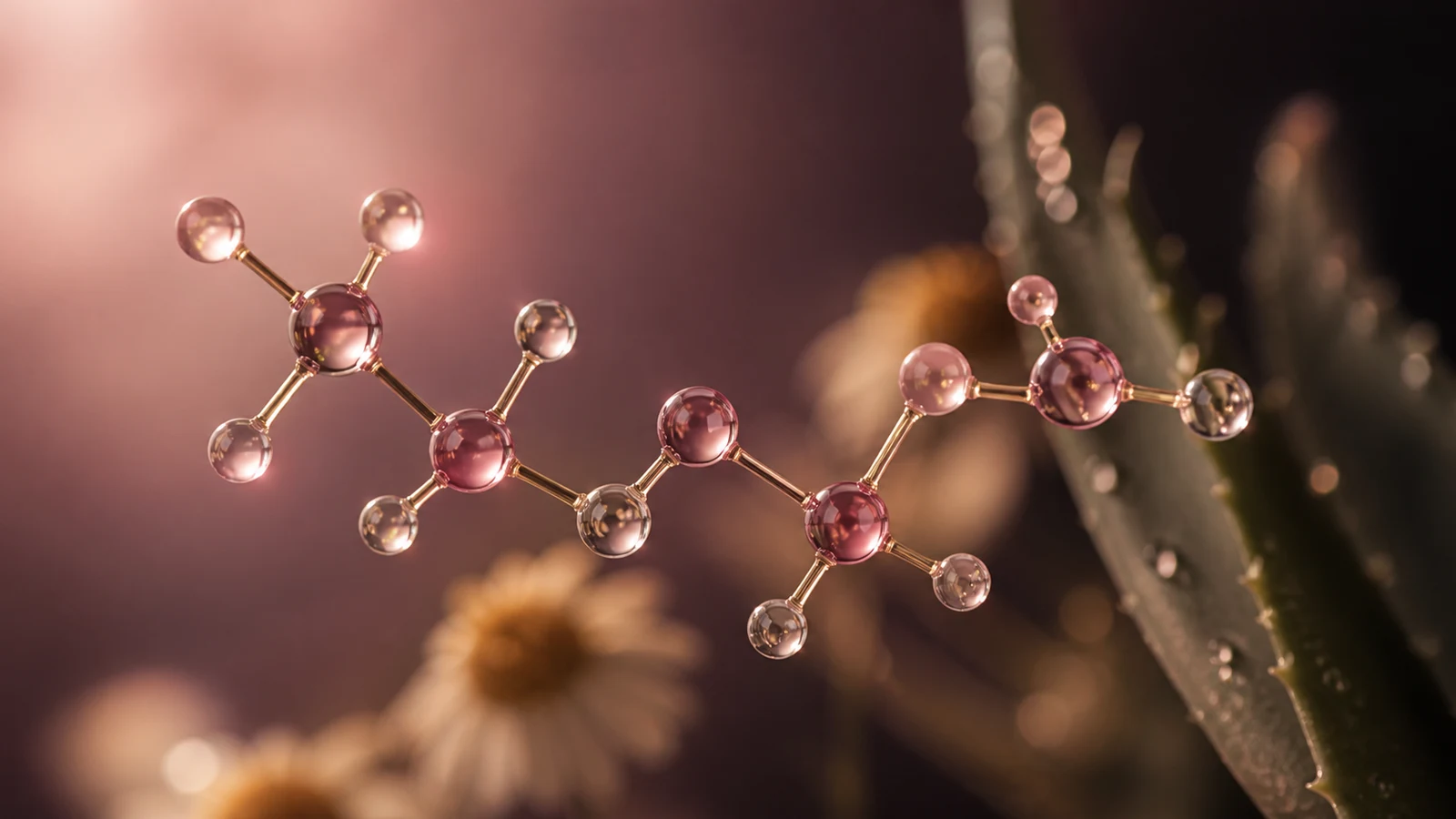
Among the select compounds recognized for their efficacy in this crucial period, panthenol, or provitamin B5, stands as a cornerstone. Its established dermatological profile underscores its capacity to accelerate barrier restoration, mitigate discomfort, and enhance overall skin resilience. Understanding its precise actions provides clarity on why it is indispensable for post-procedure care.
This exploration delves into the scientific underpinnings of panthenol's utility, illustrating how this gentle yet potent ingredient contributes to an optimized healing trajectory for skin under duress.
Understanding Compromised Skin After Aesthetic Procedures
Aesthetic procedures are designed to initiate controlled micro-injuries, stimulating the skin's natural regenerative processes. While beneficial for long-term rejuvenation, this process inevitably disrupts the stratum corneum, the outermost layer of the epidermis. This disruption leads to a compromised skin barrier, characterized by increased transepidermal water loss (TEWL), heightened sensitivity, and a predisposition to environmental irritants.
The immediate aftermath of treatments like laser resurfacing, chemical peels, or microneedling often manifests as redness, dryness, tightness, and a sensation of vulnerability. This state necessitates a skincare approach focused on protection, hydration, and repair. Neglecting these fundamental needs can prolong recovery and potentially impact the aesthetic outcome. For a deeper understanding of this state, consider reviewing our insights on What Is Skin Barrier Compromise.
The Science of Panthenol: Provitamin B5's Role in Recovery
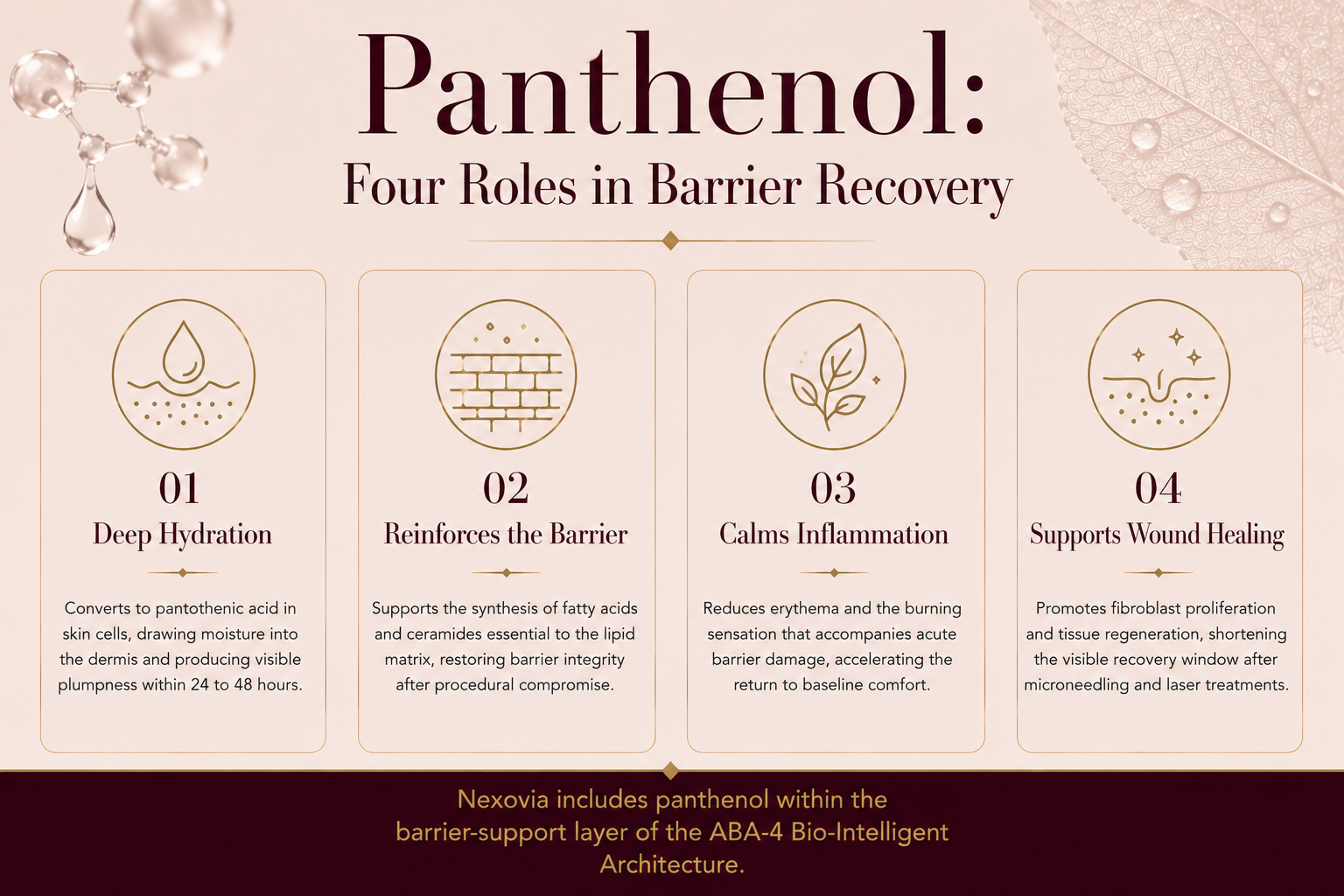
Panthenol, the alcohol analog of pantothenic acid (vitamin B5), is celebrated for its multifaceted benefits in skin recovery. When applied topically, it is rapidly converted into pantothenic acid within the skin cells. This essential vitamin plays a pivotal role in cellular metabolism and enzymatic reactions crucial for tissue repair and maintenance. Its mechanism of action encompasses several key areas vital for compromised skin.
Hydration and Humectancy
Panthenol is a highly effective humectant, meaning it draws moisture from the atmosphere and binds it within the skin. This property is crucial for maintaining optimal hydration levels, which are often depleted in post-procedure skin due to increased TEWL. By enhancing the skin's water content, panthenol helps to alleviate dryness and tightness, contributing to a more comfortable recovery experience.
Barrier Support and Repair
Beyond simple hydration, panthenol actively supports the integrity of the skin barrier. Research indicates its ability to stimulate the proliferation of dermal fibroblasts and accelerate re-epithelialization, the process by which the skin regenerates its outer layer. It also plays a role in enhancing the synthesis of epidermal lipids, such as ceramides, which are essential components of a healthy skin barrier. A robust barrier is fundamental for protecting against external aggressors and minimizing moisture loss, making panthenol post procedure an invaluable ally.
Anti-Inflammatory and Soothing Properties
Inflammation and irritation are common responses in compromised skin. Panthenol exhibits notable anti-inflammatory properties, helping to reduce redness and calm agitated skin. Its soothing effect is particularly beneficial in the immediate post-procedure phase, providing relief and promoting a more tranquil healing environment. This calming action helps to prevent a cascade of inflammatory responses that could impede recovery.
Integrating Panthenol into Your Post-Procedure Regimen
The strategic incorporation of panthenol into a post-procedure skincare regimen can significantly influence the quality and speed of recovery. Its gentle nature and proven efficacy make it suitable for even the most sensitive post-treatment skin.
Immediate Post-Procedure Care
In the hours and days immediately following a procedure, when the skin is most compromised, panthenol-rich formulations should be applied with utmost care. Opt for products that are fragrance-free, non-comedogenic, and specifically designed for sensitive or compromised skin. Gentle application helps to avoid further irritation, allowing panthenol to penetrate and initiate its reparative actions. These products form a critical part of a comprehensive post-procedure skincare routine.
Ongoing Recovery and Maintenance
As the skin progresses through its healing phases, consistent use of panthenol can continue to support barrier function and hydration. While the immediate soothing effect is crucial, the long-term benefits of enhanced barrier strength and resilience contribute to healthier, more robust skin. Incorporating panthenol into daily maintenance after the initial recovery period can help sustain the improvements achieved from aesthetic treatments.
Why Panthenol Works Best With Complementary Technologies
While panthenol is a powerful standalone ingredient for skin recovery, its efficacy is profoundly amplified when integrated within a sophisticated, multi-component system. Nexovia’s ABA.4 Bio-Intelligent Architecture exemplifies this synergistic approach, combining panthenol with advanced bio-actives to create an optimal healing environment for compromised skin.
The ABA.4 architecture is engineered to address the complex needs of post-procedure skin comprehensively. It features a meticulously curated peptide matrix that signals the skin to accelerate repair processes and enhance collagen synthesis. This works in concert with plant exosomes (4 billion particles/mL), which are intercellular messengers that facilitate cellular communication and transfer regenerative molecules, promoting faster and more efficient healing. For further insight into these cellular messengers, explore our article on Plant Exosomes in Skincare.
Further enhancing this system is PDRN (1%), a powerful DNA-derived ingredient known for its tissue repair and anti-inflammatory capabilities, stimulating cell growth and regeneration. Complementing these is NAD+ (1%), a coenzyme vital for cellular energy production and DNA repair, which boosts cellular vitality and resilience. Integrating panthenol within this advanced matrix ensures that every facet of skin recovery—from hydration and barrier repair to cellular regeneration and inflammation control—is addressed with unparalleled precision and efficacy.
Frequently Asked Questions
Can panthenol be used immediately after any aesthetic procedure?
Yes, panthenol is generally considered safe and beneficial for immediate post-procedure application across a wide range of aesthetic treatments, including lasers, peels, and microneedling. Its gentle, soothing, and barrier-supporting properties make it an ideal choice for compromised skin. Always confirm with your practitioner for specific guidance tailored to your procedure.
How does panthenol differ from other hydrating ingredients like hyaluronic acid?
While both panthenol and hyaluronic acid are excellent humectants, panthenol offers additional benefits beyond hydration. It converts to pantothenic acid within the skin, actively participating in cellular repair and lipid synthesis to strengthen the skin barrier. Hyaluronic acid primarily focuses on surface and deeper hydration, attracting and holding significant amounts of water. They are often used synergistically for comprehensive skin health.
Are there any side effects associated with using panthenol?
Panthenol is widely regarded as a very safe and well-tolerated ingredient, even for sensitive skin. Allergic reactions are rare. In some isolated cases, mild irritation might occur, but this is typically due to other ingredients in the formulation rather than panthenol itself. Always patch test new products if you have highly reactive skin.
How often should I apply panthenol post procedure?
For optimal results, panthenol-rich products should be applied regularly, often two to three times daily, or as directed by your practitioner, especially during the initial recovery phase. Consistent application helps maintain continuous hydration and supports the ongoing repair of the skin barrier. As skin recovers, application frequency can be adjusted based on individual needs.
Can panthenol help reduce redness after a procedure?
Yes, panthenol possesses anti-inflammatory properties that can help soothe irritated skin and reduce post-procedure redness. By calming the skin's inflammatory response and supporting barrier repair, it contributes to a more rapid resolution of erythema. Its soothing effect provides immediate comfort while aiding the underlying healing process.
This content is for informational purposes only and does not constitute medical advice. Always follow the specific aftercare instructions provided by your practitioner, as recommendations may vary based on your individual treatment and skin type.
Disclaimer: This article is for educational purposes only and is not medical advice. Always follow your provider's guidance after cosmetic procedures.