Journal
How Long Should You Wait Between Microneedling Sessions
Understanding the optimal interval between microneedling sessions is crucial for maximizing collagen induction and ensuring skin health. This guide explores the science of skin regeneration and ideal waiting periods for superior, lasting results.
July 14, 2026 / 8 min read
Microneedling, a procedure celebrated for its capacity to stimulate the skin's natural regenerative processes, has become a cornerstone in advanced skincare regimens. By creating controlled micro-injuries, it encourages the production of new collagen and elastin, leading to a refined complexion, diminished scars, and improved texture. However, the efficacy and safety of this treatment are inextricably linked to proper timing between sessions.
Understanding the optimal time between microneedling sessions is not merely a logistical consideration; it is fundamental to harnessing the full potential of collagen induction therapy while safeguarding skin integrity. Rushing the process can impede healing, compromise the skin barrier, and potentially lead to adverse outcomes, negating the very benefits sought.
This guide delves into the science underpinning skin recovery, the variables influencing session intervals, and how to discern when your skin is truly prepared for its next regenerative phase.
The Science of Skin Regeneration Post-Microneedling
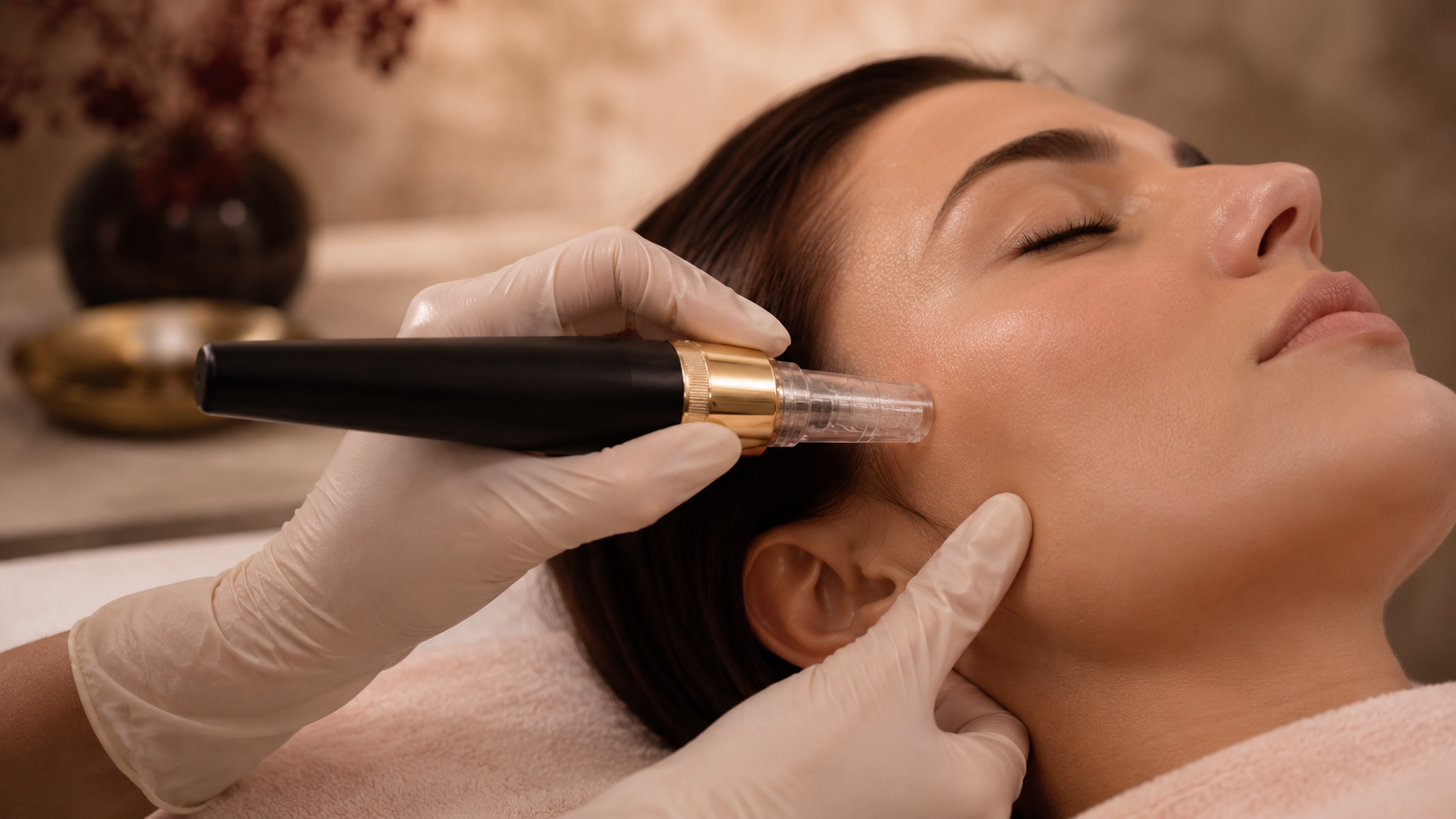
Microneedling initiates a cascade of biological events crucial for skin renewal. The controlled micro-perforations prompt the skin to enter a healing cycle that mirrors wound repair, yet without significant damage. This process unfolds in distinct phases: inflammation, proliferation, and remodeling.
Initially, the inflammatory phase, lasting a few days, involves the release of growth factors and cytokines, signaling the body to begin repair. This is followed by the proliferation phase, where new cells, including fibroblasts, migrate to the treated area to produce collagen and elastin. Finally, the remodeling phase, which can extend for weeks to months, sees the newly formed collagen mature and strengthen, leading to visible improvements in skin structure and firmness. Adequate microneedling aftercare day by day is crucial during this period.
Each of these phases requires sufficient time to complete. Interrupting this natural progression by performing another microneedling session too soon can overwhelm the skin's reparative capabilities, leading to prolonged inflammation, impaired barrier function, and a heightened risk of complications such as post-inflammatory hyperpigmentation or scarring. The skin's barrier, temporarily compromised by the procedure, must fully restore itself to maintain its protective function and prevent sensitivity. Understanding what is skin barrier compromise is key to proper recovery.
Factors Influencing Your Waiting Period
While the fundamental science of skin healing provides a general framework, the precise time between microneedling sessions is not universal. Several individual and procedural factors dictate the optimal interval.
Treatment Depth and Intensity
The depth of the needles used significantly impacts the extent of tissue response and subsequent recovery time. Superficial microneedling (0.25mm to 0.5mm), often performed for enhanced product absorption or mild texture refinement, typically requires a shorter recovery and thus a shorter waiting period. Deeper treatments (1.0mm to 2.5mm), targeting concerns such as acne scars, deeper wrinkles, or significant textural irregularities, induce a more profound healing response and necessitate a longer interval between sessions to allow for complete tissue regeneration.
Individual Skin Response and Healing Rate
Every individual's skin possesses a unique capacity for healing. Factors such as age, overall health, nutritional status, and genetic predispositions influence how quickly the skin recovers. Younger individuals generally exhibit faster healing, while older skin may require more time for collagen synthesis and tissue repair. Observing your skin's visible cues, such as the duration of redness, swelling, and sensitivity, is paramount. Persistent redness, for instance, suggests the inflammatory phase may still be active, indicating the skin is not yet ready for another treatment. For insights into this, consider how long redness lasts after microneedling.
Targeted Concerns
The specific skin concern being addressed can also influence treatment frequency. For general skin rejuvenation and texture improvement, a more conservative approach to intervals may be taken. However, for more challenging conditions like deep acne scars, a series of more intensive treatments might be necessary, but these often require longer recovery periods between each session to ensure maximal benefit and minimize risk. Specific aftercare tips for microneedling for acne scars can help optimize results and healing.
General Guidelines for Microneedling Intervals
Based on the depth of treatment and the skin's regenerative cycle, general recommendations for the time between microneedling sessions have emerged.
Typical Recommendations
For cosmetic microneedling at home or superficial professional treatments (up to 0.5mm), an interval of 2 to 4 weeks is often considered appropriate. This allows sufficient time for superficial healing and product absorption enhancement. For professional medical microneedling, which typically involves needle depths between 0.5mm and 1.5mm, a waiting period of 4 to 6 weeks is generally advised. This interval supports the more significant collagen induction process and ensures the skin has adequately recovered from the micro-trauma. For deeper treatments (1.5mm to 2.5mm or more), targeting severe scarring or deeper wrinkles, intervals of 6 to 8 weeks, or even longer, may be necessary to facilitate complete remodeling and avoid over-stressing the dermal matrix. Adhering to comprehensive microneedling aftercare protocols is vital throughout these waiting periods.
Importance of Full Healing
The temptation to expedite results by scheduling sessions too closely must be resisted. Rushing the process can lead to counterproductive outcomes, including persistent inflammation, increased sensitivity, and even a breakdown of the newly forming collagen. The goal is to stimulate healing, not to inflict repetitive trauma that the skin cannot adequately repair. Full healing means the skin has returned to its baseline state, both visibly and at a cellular level, before embarking on another regenerative cycle. This disciplined approach ensures safety and optimizes the long-term benefits of microneedling.
Signs Your Skin is Ready for Another Session
Beyond general timelines, your skin itself provides the most accurate indicators of readiness for subsequent microneedling. A fully recovered skin surface will exhibit an absence of residual signs of inflammation or irritation. This includes the complete resolution of redness, swelling, and tenderness. The skin should feel smooth and resilient, without any lingering dryness, flaking, or tightness, which can be indicators of an incomplete barrier repair.
There should be no active breakouts, open wounds, or areas of heightened sensitivity. The skin's texture should feel normalized, and its overall appearance should be calm and even-toned. It is essential to consult with your practitioner, as they can assess the skin's microscopic healing and advise on the most appropriate time for your next treatment based on a comprehensive evaluation.
Why Microneedling Works Best With Complementary Technologies
The period between microneedling sessions is not merely a passive waiting game; it is an active phase of recovery and regeneration where the skin's capacity for repair can be profoundly influenced by the post-procedure regimen. Optimal results and expedited readiness for subsequent treatments are achieved when microneedling is supported by advanced complementary technologies that bolster the skin's natural healing mechanisms.
Nexovia's ABA.4 Bio-Intelligent Architecture is engineered precisely for this synergy. This sophisticated complex integrates a potent peptide matrix, plant exosomes (4 billion particles/mL), PDRN (1%), and NAD+ (1%). These components work in concert to accelerate recovery, enhance cellular regeneration, and fortify the skin barrier during the critical post-procedure window. The peptide matrix supports collagen synthesis and barrier repair, while plant exosomes, with their rich cargo of growth factors and signaling molecules, facilitate intercellular communication to optimize healing. PDRN aids in DNA repair and tissue regeneration, and NAD+ fuels cellular energy production, critical for all reparative processes. By providing this targeted support, Nexovia ensures the skin is not only healing but thriving, becoming more resilient and primed for the next regenerative cycle, ultimately maximizing the benefits of each microneedling session and reducing the necessary time between microneedling sessions by supporting robust recovery.
Frequently Asked Questions
Q: What happens if I microneedle too soon?
A: Microneedling too frequently, before the skin has fully recovered, can lead to chronic inflammation, compromised skin barrier function, and potentially diminish collagen production rather than enhance it. This can manifest as persistent redness, increased sensitivity, irritation, or even scarring. It is crucial to allow adequate time for the skin's natural healing and remodeling processes to complete between sessions.
Q: Can I combine microneedling with other treatments?
A: Combining microneedling with certain treatments, such as PRP (Platelet-Rich Plasma) or topical serums containing growth factors, can enhance results. However, other procedures like chemical peels or laser treatments should generally be spaced out significantly from microneedling to avoid over-stressing the skin. Always consult your practitioner for personalized advice on treatment combinations and timing.
Q: Does the waiting period differ for RF microneedling?
A: Yes, RF microneedling, which combines traditional microneedling with radiofrequency energy, often requires a slightly longer waiting period due to the added thermal energy component. While recovery from redness and swelling may be similar, the deeper thermal impact on tissue remodeling means intervals of 4 to 8 weeks, or even longer, are common to allow for full collagen contraction and regeneration. Your practitioner will advise based on the specific device and intensity used.
Q: How many microneedling sessions are typically recommended?
A: The number of recommended microneedling sessions varies depending on the specific skin concerns and desired outcomes. For general rejuvenation, a series of 3-4 sessions spaced 4-6 weeks apart is common. For more significant issues like acne scars or deep wrinkles, 6-8 sessions or more may be advised. Maintenance sessions can then be scheduled every 6-12 months. Your practitioner will create a tailored treatment plan.
Q: What aftercare is essential during the waiting period?
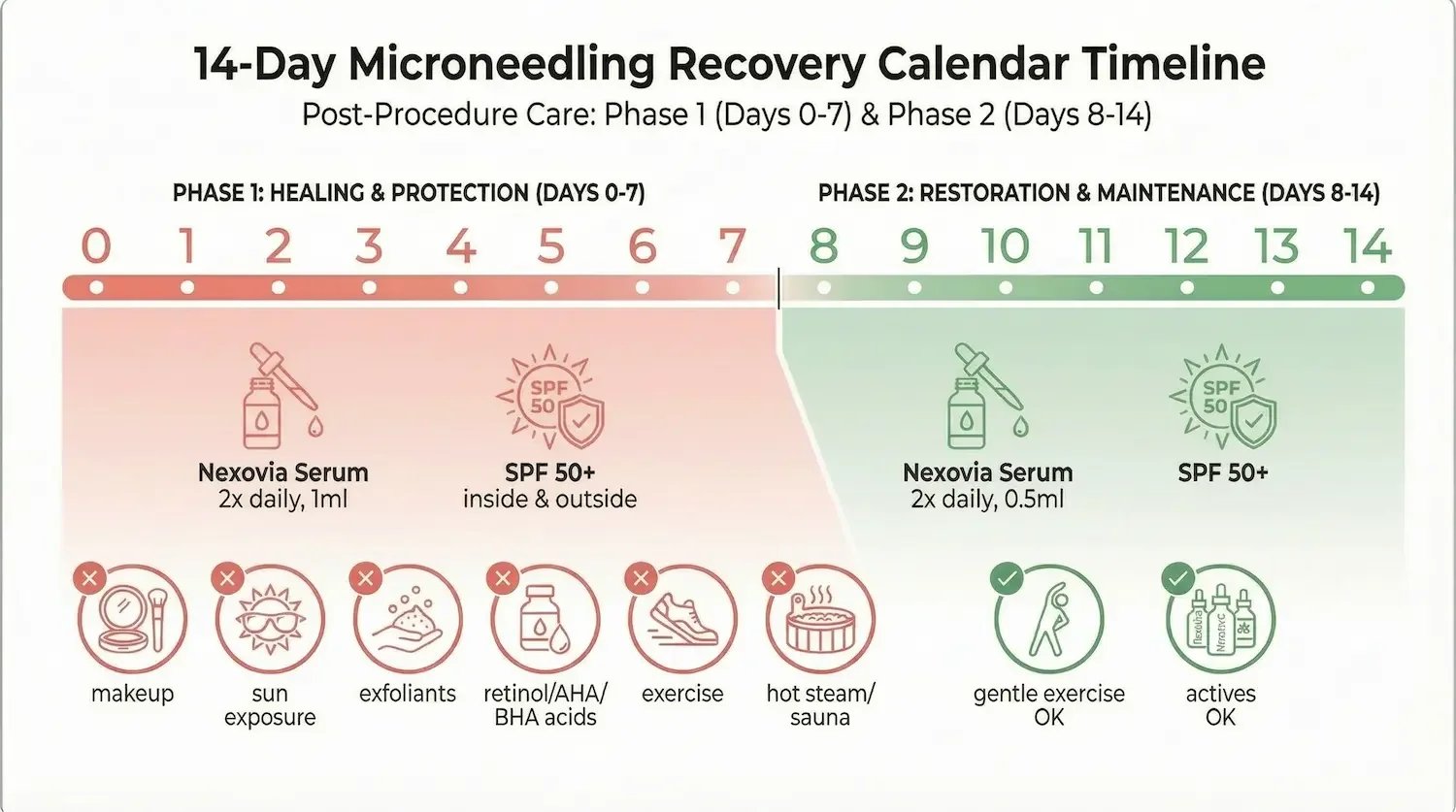
A: During the waiting period, diligent aftercare is paramount. This includes gentle cleansing, consistent hydration with barrier-supporting products, and strict sun protection (SPF 30+). Avoid harsh active ingredients like retinoids or strong acids until your skin has fully recovered. Incorporating products with reparative ingredients, such as peptides, exosomes, and growth factors, can significantly support healing and optimize results. For a detailed guide, refer to our post-procedure skincare guide.
This content is for informational purposes only and does not constitute medical advice. Always follow the specific aftercare instructions provided by your practitioner, as recommendations may vary based on your individual treatment and skin type.
Disclaimer: This article is for educational purposes only and is not medical advice. Always follow your provider's guidance after cosmetic procedures.