Journal
Dermaplaning Aftercare: What to Use and What to Avoid
Dermaplaning refines skin texture by removing vellus hair and dead cells. Proper aftercare is crucial for supporting skin recovery, maintaining its integrity, and optimizing the longevity of results.
July 2, 2026 / 8 min read
Dermaplaning, a method of physical exfoliation, precisely removes vellus hair and the outermost layer of dead skin cells. This process reveals a smoother, more luminous complexion. While the immediate results are often visible and gratifying, the efficacy and longevity of these benefits are profoundly influenced by the post-procedure regimen.
The skin, newly exposed and refined, requires meticulous care to support its recovery and maintain its integrity. Understanding the nuances of dermaplaning aftercare—what to apply, what to avoid, and why—is fundamental to optimizing outcomes and preventing adverse reactions. This guide outlines a considered approach to nurturing your skin in the days and weeks following treatment.
Understanding Your Skin Post-Dermaplaning
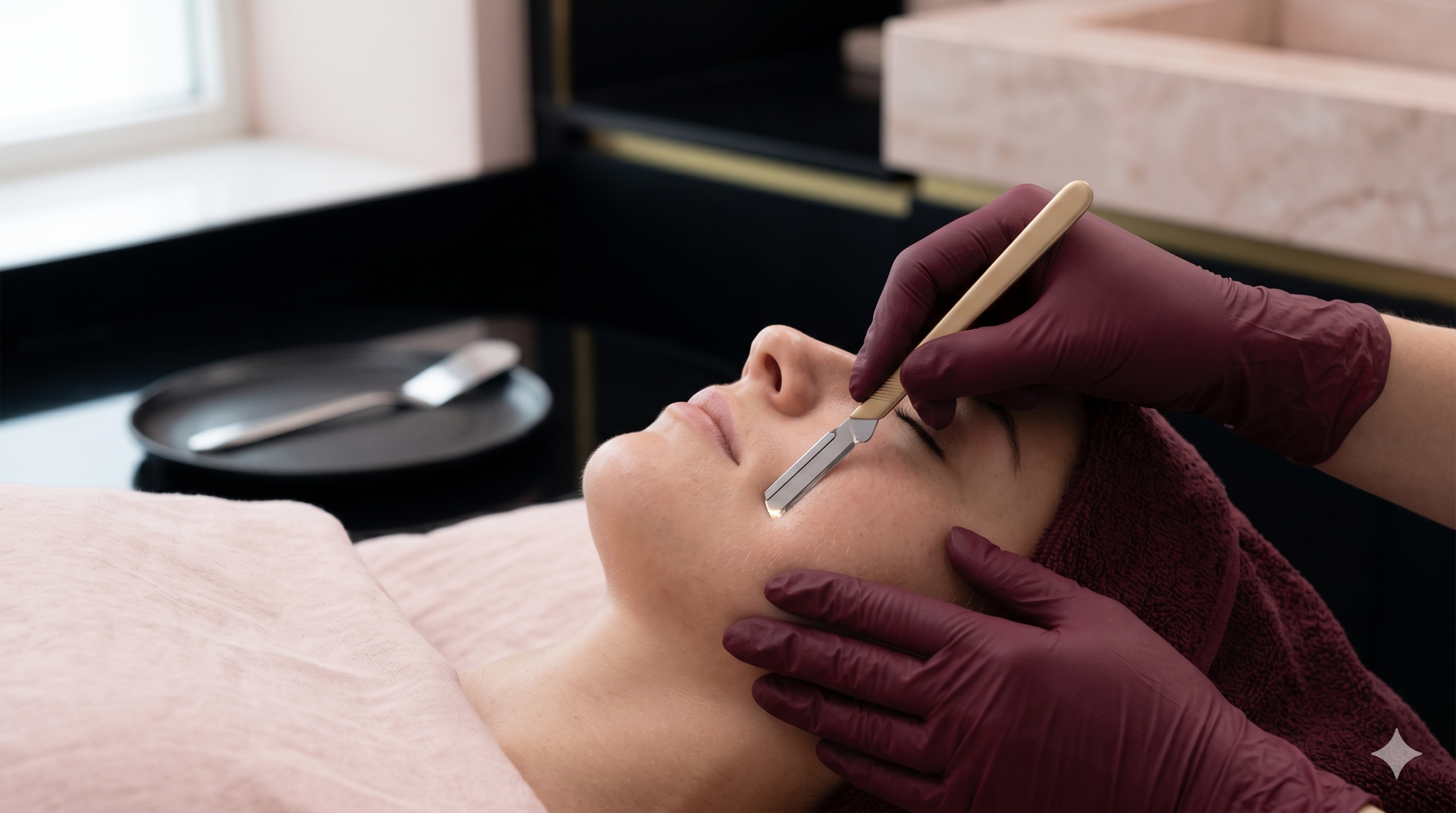
Dermaplaning involves using a sterile surgical scalpel to gently scrape the skin's surface. This action removes accumulated dead cells and fine facial hair, often referred to as peach fuzz. The immediate effect is a smoother texture and enhanced product penetration. However, this process also renders the skin more vulnerable. The temporary removal of the superficial barrier layer means the skin's natural defenses are momentarily diminished, making it susceptible to environmental stressors and irritation. Proper dermaplaning aftercare focuses on re-establishing this barrier function and fostering a calm healing environment.
Sensitivity, mild redness, and a feeling of tightness are common in the initial hours. These are normal physiological responses as the skin adjusts. The goal of aftercare is to mitigate these temporary effects and support the skin's innate regenerative processes without causing further compromise.
Immediate Post-Procedure Care: The First 48 Hours
Gentle Cleansing and Hydration
In the initial 24 to 48 hours following dermaplaning, the skin requires an extremely gentle approach. Cleansing should be performed with a mild, pH-balanced cleanser, free from harsh surfactants, fragrances, or exfoliating acids. Use lukewarm water and pat the skin dry with a soft, clean towel. Avoid any rubbing or scrubbing motions.
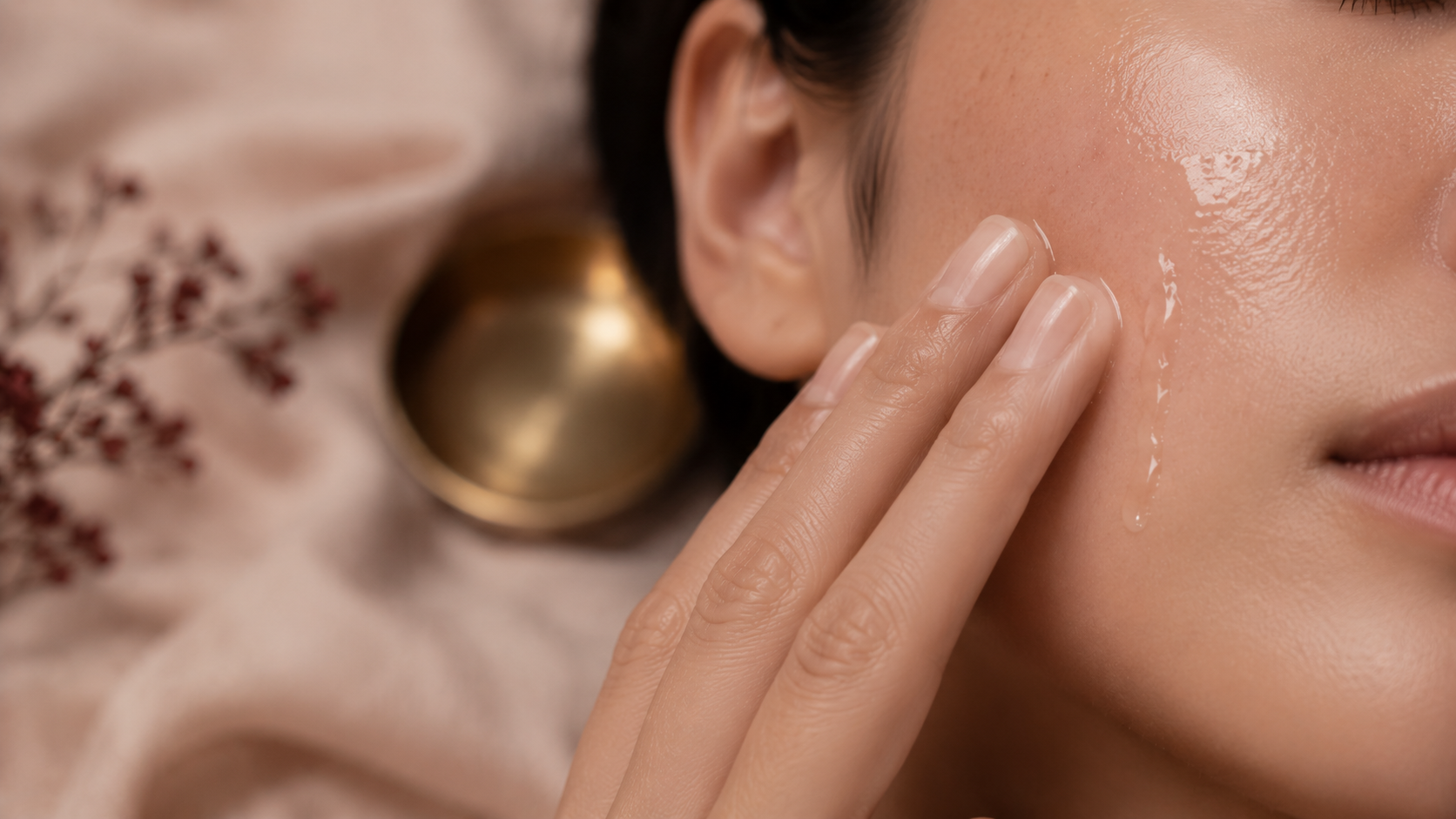
Hydration is paramount. Immediately after the procedure, apply a soothing, non-comedogenic moisturizer or serum rich in humectants like hyaluronic acid and glycerin. Ingredients such as ceramides and panthenol are also beneficial for supporting the skin barrier. Reapply these hydrating agents frequently to maintain skin comfort and prevent dryness, which can exacerbate sensitivity. Consider a post-procedure skincare routine designed for compromised skin.
Sun Protection
The newly exposed skin is highly susceptible to UV damage. Strict sun protection is non-negotiable. Apply a broad-spectrum sunscreen with an SPF of 30 or higher every morning, even on cloudy days, and reapply every two hours if outdoors. Physical sunscreens containing zinc oxide or titanium dioxide are often preferred for their gentle nature and broad-spectrum coverage. Additionally, wear a wide-brimmed hat and seek shade whenever possible. Failure to protect the skin from UV radiation can lead to hyperpigmentation and hinder the healing process.
Essential Ingredients for Optimal Recovery
Selecting the correct ingredients for dermaplaning aftercare is crucial for promoting healing and maintaining results. Focus on components that calm inflammation, support barrier repair, and provide deep hydration without irritation.
- Hyaluronic Acid: A potent humectant that draws moisture into the skin, providing intense hydration and plumping. It aids in maintaining skin suppleness and reducing the feeling of tightness.
- Panthenol (Provitamin B5): A barrier-supporting ingredient that draws moisture into skin cells and reinforces the lipid matrix, restoring integrity after procedural compromise.
- Niacinamide (Vitamin B3): Known for its anti-inflammatory properties, niacinamide can help calm redness and irritation. It also supports barrier function and can improve skin tone.
- Centella Asiatica (Cica): A botanical extract celebrated for its soothing, healing, and antioxidant benefits. It can accelerate wound healing and reduce inflammation.
- Biosaccharide Gum-1: A film-forming hydrator that holds moisture on the surface for hours, reducing the tight feeling after cleansing without occluding the skin.
Ingredients and Practices to Strictly Avoid
Just as important as knowing what to use is understanding what to avoid. Introducing irritating ingredients or engaging in abrasive practices can compromise the healing process, leading to prolonged sensitivity, breakouts, or even damage to the newly refined skin.
- Physical Exfoliants: Steer clear of scrubs, cleansing brushes, and any other abrasive tools for at least one week, or until your skin feels completely recovered. Dermaplaning itself is a form of exfoliation; further mechanical exfoliation is unnecessary and can cause micro-tears or irritation.
- Chemical Exfoliants: Avoid alpha-hydroxy acids (AHAs) like glycolic and lactic acid, beta-hydroxy acids (BHAs) like salicylic acid, and retinoids (retinol, tretinoin) for at least 5-7 days post-procedure. These ingredients can be too harsh for newly exposed skin and may cause excessive redness, dryness, or peeling. Reintroduce them gradually and monitor your skin's response.
- Harsh Cleansers and Toners: Products containing alcohol, strong fragrances, or sulfates can strip the skin of its natural oils, leading to dryness and irritation, especially when the barrier is compromised.
- Heavy Makeup: While tempting to cover any initial redness, heavy or occlusive makeup can clog pores and hinder skin breathing. If makeup is necessary, opt for mineral-based, non-comedogenic formulations and apply sparingly. Consider when and how to cover up safely after a procedure.
- Excessive Heat and Sweating: Avoid hot showers, saunas, steam rooms, and strenuous exercise for at least 24-48 hours. Excessive heat and sweat can dilate blood vessels, increase inflammation, and create an environment conducive to bacterial growth.
- Direct Sun Exposure: Beyond applying sunscreen, actively avoid prolonged sun exposure. UV radiation is detrimental to healing skin and can trigger post-inflammatory hyperpigmentation.
Recognizing the signs of skin barrier compromise is key to adjusting your aftercare regimen. If your skin feels persistently tight, itchy, or unusually sensitive, it indicates the need for a more gentle approach.
Why Dermaplaning Aftercare Works Best With Complementary Technologies
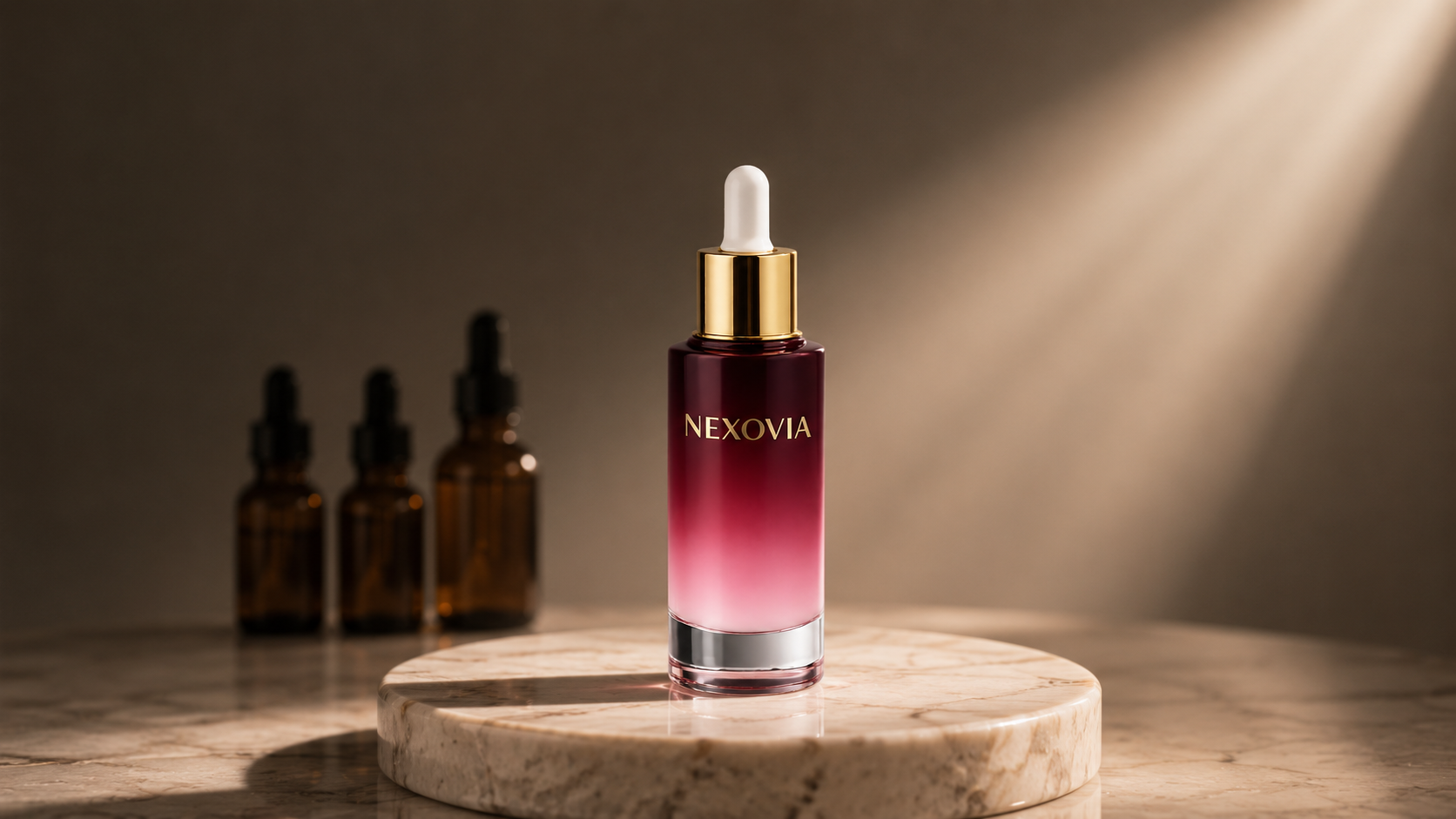
While dermaplaning provides immediate textural improvements, optimizing the skin's regenerative capacity post-procedure requires a sophisticated approach. Nexovia's ABA.4 Bio-Intelligent Architecture represents a synergy of advanced ingredients designed to support the skin at a cellular level, enhancing recovery and amplifying results beyond conventional aftercare.
This proprietary blend is engineered to address the multifaceted needs of compromised skin, working in concert to restore, rejuvenate, and fortify. The core components include:
- Peptide Matrix: A carefully selected array of signaling peptides that communicate with skin cells, promoting collagen synthesis, aiding in barrier repair, and reducing inflammation. These peptides act as messengers, guiding the skin's natural healing pathways. Learn more about peptides for skin barrier repair.
- Plant Exosomes (4 billion particles/mL): These nano-vesicles, derived from botanical sources, deliver a concentrated cargo of growth factors, lipids, and proteins directly to skin cells. They facilitate intercellular communication, accelerate regeneration, and possess potent anti-inflammatory properties, promoting a more rapid and robust recovery. Explore the science of plant exosomes in skincare.
- PDRN 1%: Polydeoxyribonucleotide (PDRN) is a DNA-derived ingredient known for its remarkable tissue repair and anti-inflammatory capabilities. It stimulates fibroblast proliferation, enhances collagen production, and accelerates wound healing, contributing to improved skin elasticity and texture.
- NAD+ 1%: Nicotinamide Adenine Dinucleotide (NAD+) is a crucial coenzyme involved in cellular energy production and repair. Its inclusion supports cellular metabolism, enhances DNA repair mechanisms, and protects against oxidative stress, fostering a healthier, more resilient skin environment post-procedure.
By integrating these bio-intelligent compounds, Nexovia's ABA.4 architecture provides comprehensive support for dermaplaning aftercare, moving beyond simple hydration to active cellular regeneration and barrier reinforcement. This holistic strategy ensures that the skin not only recovers efficiently but also thrives, exhibiting enhanced vitality and resilience.
Frequently Asked Questions
How soon after dermaplaning can I apply makeup?
It is advisable to wait at least 24 hours before applying any makeup. This allows the newly exposed skin to breathe and begin its initial healing phase without potential irritation or pore occlusion. When you do reintroduce makeup, opt for clean, mineral-based, non-comedogenic formulations.
Can I exfoliate my skin after dermaplaning?
No, further exfoliation, whether physical or chemical, should be avoided for at least one week post-procedure. Dermaplaning is a powerful exfoliating treatment, and additional exfoliation too soon can lead to irritation, redness, and compromise the skin barrier. Listen to your skin and reintroduce active exfoliants gradually after it has fully recovered.
What is the most important product to use after dermaplaning?
A broad-spectrum sunscreen with an SPF of 30 or higher is arguably the most critical product. The skin is highly vulnerable to UV damage after dermaplaning, which can lead to hyperpigmentation and hinder healing. Beyond sunscreen, a gentle, hydrating, and barrier-supporting moisturizer is essential.
My skin feels tight and a bit sensitive. Is this normal?
Yes, a feeling of tightness and mild sensitivity is a common and normal response in the first 24-48 hours after dermaplaning. This indicates the skin's superficial barrier has been temporarily refined. Focus on gentle hydration and soothing ingredients to alleviate these sensations. If sensitivity persists or worsens, consult your practitioner.
When can I resume my active skincare ingredients like retinoids or Vitamin C?
It is generally recommended to avoid retinoids, Vitamin C serums, and other strong active ingredients for at least 5-7 days post-dermaplaning. Reintroducing them too soon can cause irritation and hinder recovery. When reintroducing, do so gradually, perhaps every other day, and observe your skin's tolerance. For specific guidance on actives, refer to your practitioner's instructions.
This content is for informational purposes only and does not constitute medical advice. Always follow the specific aftercare instructions provided by your practitioner, as recommendations may vary based on your individual treatment and skin type.
Disclaimer: This article is for educational purposes only and is not medical advice. Always follow your provider's guidance after cosmetic procedures.