Journal
What to Do on the Morning of Your Aesthetic Procedure: A Skin Prep Guide
The morning of your appointment matters more than most patients realise. Here is how to arrive at the clinic with skin in its best possible state.
September 17, 2026 / 6 min read
The morning of an aesthetic procedure does not require an elaborate ritual. It does require a small set of considered choices that put your skin in its best possible state for the appointment. Done well, the morning routine does not just prepare the skin; it sets the tone for a smoother procedure and a faster recovery.
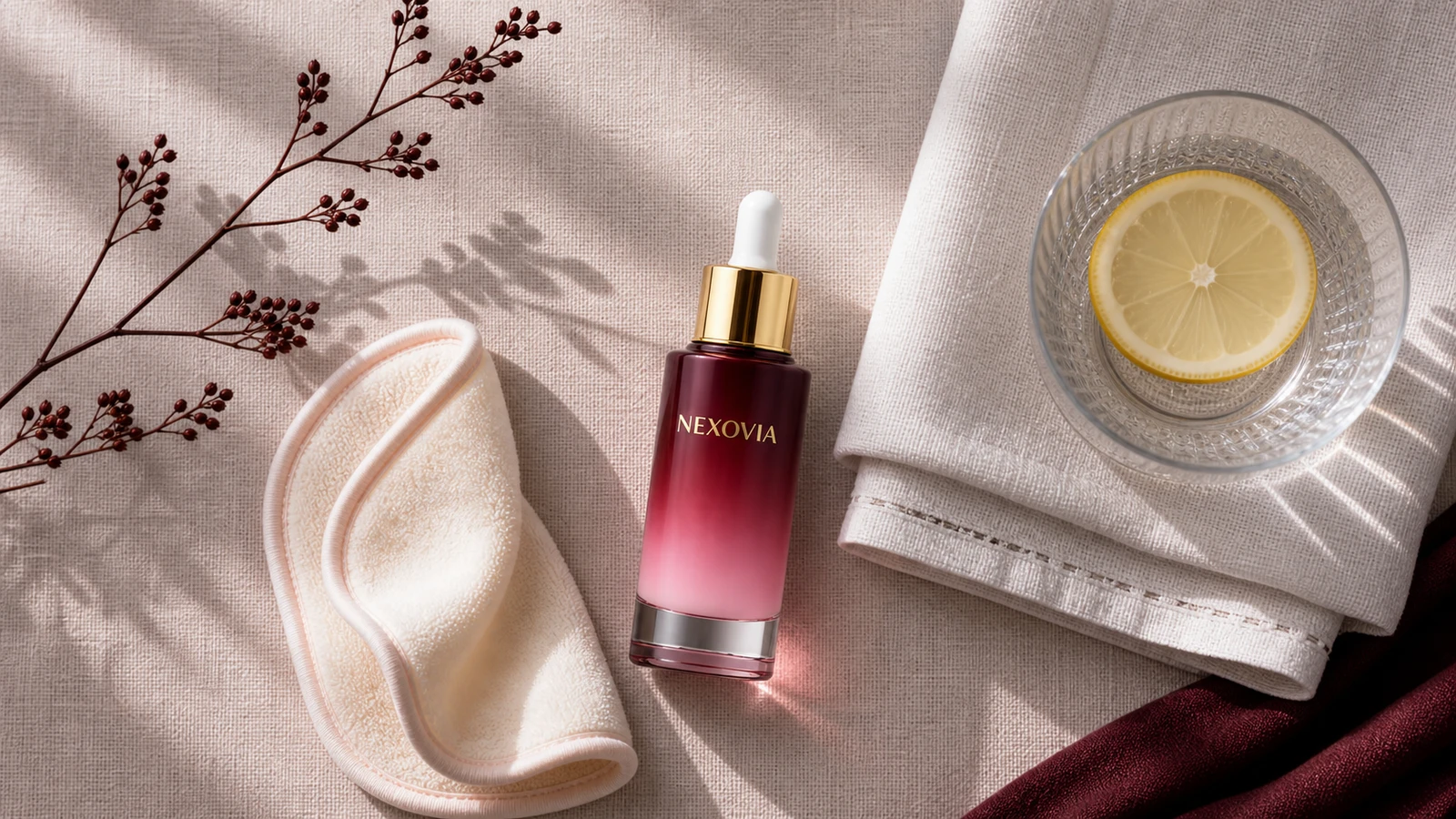
This article walks through the morning of your appointment, from waking to arriving at the clinic, with the practical details that make a measurable difference.
What to Do Before You Get Out of Bed
The first thing to do is take stock of how the skin feels. If it is unusually tight, sensitive, or showing any sign of breakout or irritation that was not there 48 hours ago, this is information your practitioner will want before the procedure starts. Most clinics will proceed with a procedure on skin that is in its normal range; a flare or active irritation is a different matter and warrants a brief conversation with the clinic before you leave home.
Drink a glass of water before doing anything else. Hydration starts at the kitchen, not at the cleanser. The skin is part of the body's hydration system, and arriving at the appointment well-hydrated supports both comfort during the procedure and the body's recovery response after.
Cleansing: The Single Most Important Morning Step
The skin needs to arrive at the clinic clean, which is not the same as scrubbed. Use the gentlest cleanser that effectively removes overnight oil and any residue. Lukewarm water, not hot. A soft towel for patting dry, never rubbing. The goal is a clean canvas, not a stripped one.
Avoid double-cleansing this morning unless your practitioner has specifically requested it. The skin should be clean but in its natural state, not aggressively prepared. Practitioners will do their own pre-procedure cleansing in the clinic; aggressive cleansing at home is redundant and can compromise the barrier before the appointment begins.
What Not to Apply
The morning of a procedure is the wrong morning for actives. No retinoids. No alpha-hydroxy or beta-hydroxy acids. No high-concentration vitamin C. No exfoliating masks. No new products being tested for the first time.
If you have been pausing actives in preparation for the procedure, today is the natural endpoint of that pause; tomorrow's pause will continue post-treatment. The skin should arrive at the appointment in its calmest state.
Heavy moisturizer can also be counterproductive on procedure morning, particularly for treatments that involve devices that need direct contact with the skin. A lightweight hydrator is fine; a thick balm may interfere with the practitioner's ability to evaluate or treat the skin.
Food and Caffeine
Eat a moderate breakfast. Procedures performed on an empty stomach, particularly those with any discomfort component, can amplify any anxiety the patient might feel. A balanced meal with protein, fat, and complex carbohydrates stabilizes blood sugar and supports overall comfort.
Caffeine is acceptable in moderation. One cup of coffee or tea is fine for most patients. Multiple cups can elevate baseline anxiety and increase sensitivity to the procedure itself; some practitioners specifically request that patients limit caffeine on procedure morning for this reason.
Stay hydrated, but avoid excessive water consumption right before the appointment if your procedure involves lying flat for an extended period.
Sun Exposure: Avoid It Entirely This Morning
Even brief sun exposure on procedure morning can affect how the skin responds to treatment. UV exposure activates inflammatory pathways and increases melanocyte activity, both of which complicate the recovery from procedures designed to reduce pigmentation or stimulate controlled inflammation.
If you are walking or driving to the appointment, apply broad-spectrum sunscreen before leaving the house, even if the day appears overcast. Reapply if your travel takes more than 90 minutes. Sun discipline begins before the procedure, not after.
Makeup and Other Considerations
Most practitioners prefer that patients arrive without makeup. If you cannot avoid wearing it, expect to remove it as part of the pre-procedure cleansing in the clinic. Heavy foundation, mascara, or lipstick will be removed regardless of your preference.
Skip perfume and heavily scented body products, which can interfere with the clinical environment and occasionally cause minor reactions when in close contact with the practitioner's preparations.
Wear comfortable clothing that allows easy access to the treatment area without disturbing the rest of your morning routine. A loose collar for facial procedures, easily removable jewelry near the treatment area.
The Mental Component
The morning is not only about the skin. The body's response to a procedure is influenced by the patient's overall state of arousal. Patients who arrive calm and prepared tolerate procedures better, experience less discomfort, and often recover faster than those who arrive rushed or anxious.
Build the morning to allow for unhurried preparation. Leave for the appointment with margin. Arrive a few minutes early and take a moment to settle before checking in. The procedure will go better, and so will the recovery that follows.
Nexovia's ABA.4 Bio-Intelligent Architecture is part of post-procedure care, not pre-procedure preparation. The peptide matrix, plant exosomes at four billion particles per millilitre, PDRN at one percent, and NAD+ at one percent are introduced once the procedure is complete and the practitioner has approved the resumption of supportive topicals.
Frequently Asked Questions
Should I take any medication before a procedure?
Only what your practitioner has specifically advised. Some procedures benefit from a small dose of an over-the-counter analgesic taken 30 to 60 minutes before; others do not require any pre-medication. Follow your clinic's guidance, not generic advice.
Can I exercise on procedure morning?
Light movement is fine; vigorous exercise that elevates heart rate and produces sweating is best done the day before rather than the morning of. Sweating immediately before a procedure can affect product application and post-treatment cleansing.
What if I wake up with a breakout the morning of my appointment?
Call the clinic before leaving. Most practitioners will still proceed with non-ablative procedures, but they may want to adjust technique or avoid the area of the breakout. Active acne is information they need before they begin.
Should I sleep more than usual the night before?
Aim for your normal sleep duration, ideally seven to eight hours. Oversleeping can be as disruptive to circadian rhythm as undersleeping. Consistency is more useful than additional sleep.
What about anxiety on the morning of a procedure?
Mild anxiety is normal and rarely affects outcomes. If anxiety is significant enough to affect your sleep the night before or your composure the morning of, mention it to the practitioner; they may have strategies to help, including topical anesthesia or shorter session structures.
This content is for informational purposes only and does not constitute medical advice. Always follow the specific aftercare instructions provided by your practitioner, as recommendations may vary based on your individual treatment and skin type.
Disclaimer: This article is for educational purposes only and is not medical advice. Always follow your provider's guidance after cosmetic procedures.