Journal
How to Protect Filler Results With the Right Skincare Routine
Protecting the investment of dermal fillers extends beyond the procedure room. A considered post-procedure skincare routine is essential for optimal integration and lasting aesthetic results.
July 7, 2026 / 8 min read
How to Protect Filler Results With the Right Skincare Routine
Dermal fillers represent a sophisticated approach to restoring volume, smoothing lines, and enhancing facial contours. The immediate gratification of a refreshed appearance is undeniable, yet the true longevity and aesthetic success of these treatments extend beyond the practitioner's touch. It is within the realm of diligent post-procedure care that the investment in dermal fillers is truly safeguarded and optimized.
A meticulously curated skincare after dermal fillers routine is not merely an adjunct; it is an integral component of the treatment's efficacy. The skin, having undergone a precise intervention, requires thoughtful support to integrate the filler material seamlessly, mitigate transient side effects, and maintain an environment conducive to sustained results. This approach ensures not only the protection of the filler itself but also the overall health and resilience of the skin.
Understanding the Post-Filler Landscape
Dermal fillers, typically composed of hyaluronic acid, are expertly injected to address specific areas of volume loss or contour deficiency. While the procedure itself is precise, the skin's immediate response can include transient swelling, minor bruising, and a degree of tenderness at the injection sites. These are normal physiological reactions as the body begins to adapt to the newly introduced material.
The period immediately following filler placement is critical. The skin barrier, though not overtly compromised as with ablative procedures, benefits immensely from a supportive regimen that reduces inflammation, promotes cellular equilibrium, and fosters an optimal healing environment. Neglecting this phase can potentially impact filler integration and overall skin recovery. A gentle, informed approach to skincare is paramount to encourage a harmonious integration of the filler and maintain the skin’s integrity.
Essential Skincare Principles for Filler Longevity
The foundation of effective skincare after dermal fillers rests on several core principles, each designed to support skin health and protect the longevity of your aesthetic enhancement.
Prioritize Gentle Cleansing
For the initial days post-filler, cleansing should be exceptionally gentle. Use a mild, pH-balanced cleanser that is free of harsh sulfates, fragrances, and abrasive particles. Avoid vigorous rubbing or massaging of the treated areas, which could potentially displace the filler or exacerbate swelling. Pat the skin dry with a soft cloth rather than rubbing.
Intense Hydration and Barrier Support
Maintaining optimal skin hydration is crucial. Hyaluronic acid, ceramides, and glycerin are exemplary ingredients that attract and retain moisture, supporting the skin's natural barrier function. A robust skin barrier is essential for overall health and resilience, particularly when the skin is in a recovery phase. Compromised barrier function can lead to heightened sensitivity and slower recovery. For a deeper understanding of this, consider reading about What Is Skin Barrier Compromise? The Science Behind Post-Procedure Sensitivity.
Non-Negotiable Sun Protection
Sun exposure is a leading cause of premature aging and can exacerbate post-procedure inflammation, potentially affecting filler longevity and contributing to hyperpigmentation. A broad-spectrum sunscreen with an SPF of 30 or higher, applied daily, is indispensable. Opt for mineral-based formulations containing zinc oxide and titanium dioxide, as they tend to be less irritating for sensitive skin.
Ingredients to Embrace and Those to Avoid
The strategic selection of skincare ingredients is fundamental to supporting your post-filler journey. Certain compounds can enhance healing and extend results, while others may cause irritation or interfere with the filler's settling process.
Ingredients to Embrace
- Hyaluronic Acid (topical): Beyond its role as a filler material, topical hyaluronic acid is a potent humectant, drawing moisture into the skin to maintain plumpness and hydration.
- Panthenol (Provitamin B5): A barrier-supporting ingredient that draws moisture into skin cells and reinforces the lipid matrix, restoring integrity after procedural compromise.
- Niacinamide (Vitamin B3): Known for its anti-inflammatory properties, niacinamide can help calm redness, reduce irritation, and support barrier function.
- Peptides: These short chains of amino acids act as signaling molecules, encouraging collagen production and aiding in skin repair. Understanding their role in strengthening the skin barrier is further explored in Peptides for Skin Barrier Repair: What the Science Says.
- Gentle Antioxidants: Ingredients like green tea extract can help neutralize free radicals without causing irritation.
Ingredients to Avoid (Initially)
During the immediate post-filler period (typically 1-2 weeks, or as advised by your practitioner), it is prudent to temporarily discontinue or significantly reduce the use of potent active ingredients.
- Retinoids (Retinol, Tretinoin): While excellent for long-term skin rejuvenation, retinoids can cause irritation, redness, and increased skin turnover, which is not ideal when the skin is recovering from injections.
- Alpha Hydroxy Acids (AHAs) and Beta Hydroxy Acids (BHAs): Glycolic acid, lactic acid, and salicylic acid are chemical exfoliants that can be too harsh for sensitive, post-procedure skin.
- Physical Exfoliants: Scrubs with abrasive particles should be avoided entirely to prevent irritation and potential filler displacement.
- Potent Vitamin C: High concentrations of L-ascorbic acid can sometimes be too stimulating for freshly treated skin. For insights into timing, refer to Can I Use Vitamin C After Microneedling? Timing, Types, and Safety, applying similar caution for fillers.
Always consult your practitioner for precise guidance on when to reintroduce these active ingredients into your routine.
Establishing Your Post-Filler Skincare Routine
A structured approach to your daily skincare routine is key to maximizing filler results and promoting optimal skin health.
Immediate Post-Procedure (First 24-48 Hours)
Keep this phase exceptionally simple. Cleanse with a mild, non-foaming cleanser. Apply a soothing, hydrating serum or cream containing ingredients like hyaluronic acid or ceramides. Avoid makeup, excessive facial movements, and extreme temperatures. Cold compresses can help manage swelling and bruising.
First Week Post-Procedure
Continue with a gentle cleansing and hydration regimen. Focus on barrier-supporting ingredients. Sunscreen is imperative. Avoid saunas, strenuous exercise, and alcohol. This period is about allowing the filler to settle and the skin to recover without undue stress. Your practitioner may advise specific topical applications.
Long-Term Maintenance
Once the initial recovery phase is complete, you can gradually reintroduce some of your regular active ingredients, always under the guidance of your practitioner. Continue to prioritize hydration, sun protection, and barrier support. A well-maintained skin canvas provides the ideal foundation for lasting filler results, ensuring the skin remains supple, radiant, and responsive.
Why Skincare After Dermal Fillers Works Best With Complementary Technologies
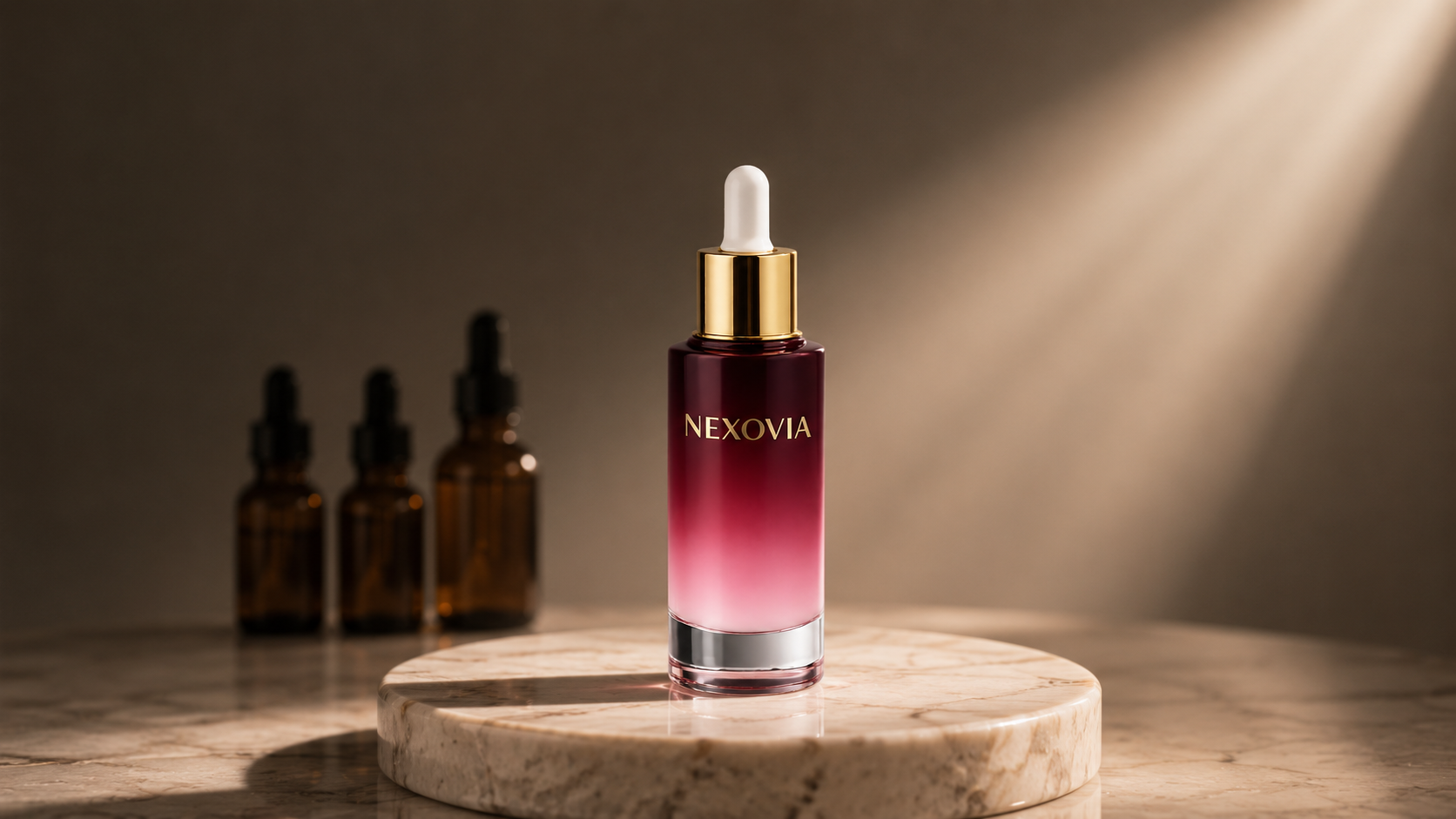
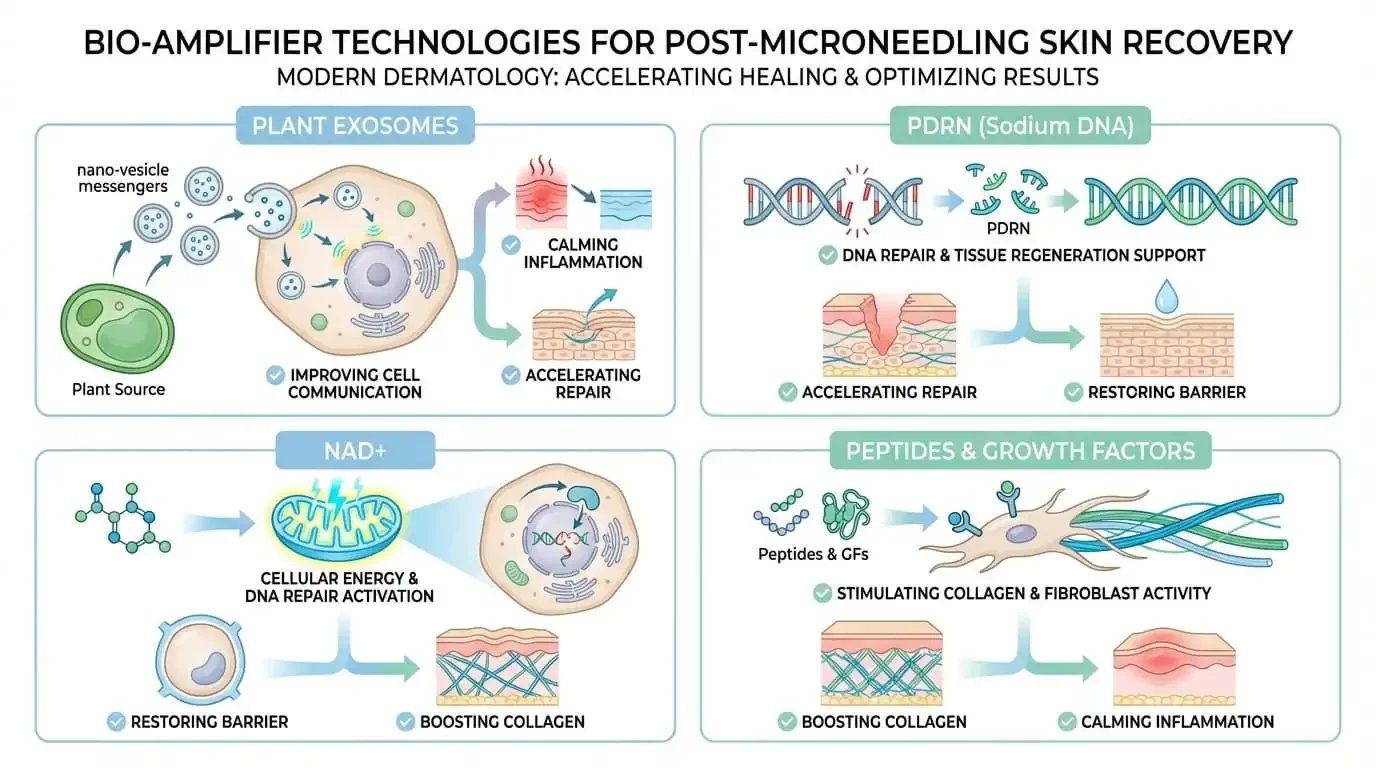
While foundational skincare principles are essential, the evolving landscape of aesthetic medicine offers advanced solutions that synergistically enhance and protect dermal filler outcomes. Nexovia's ABA.4 Bio-Intelligent Architecture represents a paradigm shift in post-procedure care, moving beyond mere hydration to actively support cellular vitality and tissue regeneration.
ABA.4 integrates a sophisticated blend of active components designed to optimize the skin's microenvironment. Our proprietary peptide matrix works to signal cellular repair and collagen synthesis, fortifying the skin's structural integrity. Concurrently, plant exosomes, delivered at an impressive concentration of 4 billion particles/mL, act as powerful intercellular messengers, facilitating communication and accelerating recovery processes. The inclusion of PDRN (Polydeoxyribonucleotide) at 1% provides nucleosides and nucleotides essential for DNA repair and tissue regeneration, promoting healthier, more resilient skin cells. For a deeper dive into this ingredient, explore PDRN in Skincare: What It Is, How It Works, and Why It Matters. Finally, NAD+ (Nicotinamide Adenine Dinucleotide) at 1% supports cellular energy production, crucial for all repair and rejuvenation activities within the skin.
This multi-faceted approach ensures that the skin not only recovers efficiently from the filler procedure but also thrives, creating a robust and youthful foundation that complements and extends the aesthetic benefits of dermal fillers. By addressing cellular health at a profound level, ABA.4 helps to maintain the skin's elasticity and overall quality, allowing the filler to integrate optimally and deliver more refined, enduring results.
Frequently Asked Questions
When can I resume my normal skincare routine after fillers?
Typically, you can begin to reintroduce your regular, non-active skincare products within 24-48 hours. However, potent active ingredients like retinoids, strong acids, or abrasive exfoliants should generally be avoided for at least one to two weeks, or as specifically advised by your practitioner. Always follow their personalized post-procedure instructions.
Can I use retinoids after fillers?
It is generally recommended to pause the use of retinoids (e.g., retinol, tretinoin) for at least one to two weeks post-filler. Retinoids can increase skin sensitivity, redness, and flaking, which can be counterproductive during the initial healing phase. Your practitioner will provide a precise timeline for reintroduction based on your individual treatment and skin response.
Is it okay to massage my face after fillers?
No, it is generally advised to avoid massaging or applying significant pressure to the treated areas for at least 48 hours, and sometimes longer. Aggressive manipulation can potentially displace the filler material before it has fully settled. Gentle cleansing and product application, without rubbing, are permissible. Always adhere to your practitioner's specific post-treatment instructions regarding facial manipulation.
What about exercise after fillers?
Strenuous exercise, which increases blood flow and can lead to swelling or bruising, should typically be avoided for at least 24-48 hours post-filler. Light activities are usually fine, but it is best to consult your practitioner for their specific recommendations based on the type and location of your filler treatment.
How long do I need to be careful with sun exposure after fillers?
While direct sun exposure doesn't directly degrade the filler material, it can exacerbate post-procedure inflammation, redness, and potentially lead to hyperpigmentation in sensitive areas. It is prudent to be diligent with broad-spectrum SPF 30+ and sun avoidance for at least two weeks post-procedure, and ideally, as a consistent daily practice for long-term skin health.
This content is for informational purposes only and does not constitute medical advice. Always follow the specific aftercare instructions provided by your practitioner, as recommendations may vary based on your individual treatment and skin type.
Disclaimer: This article is for educational purposes only and is not medical advice. Always follow your provider's guidance after cosmetic procedures.