Journal
How Sleep Affects Skin Healing After a Cosmetic Treatment
Optimal sleep is a profound catalyst for skin regeneration, particularly following advanced cosmetic treatments. It orchestrates cellular activities essential for minimizing downtime and enhancing efficacy.
July 21, 2026 / 7 min read
In the meticulous journey of post-procedure skin recovery, attention often converges on topical treatments and diligent aftercare protocols. Yet, a fundamental, often underestimated pillar of healing operates beneath the surface, during hours of repose: sleep. For Nexovia, understanding the intricate interplay between biological processes and external support is paramount. This exploration delves into how restorative sleep acts as a profound catalyst for skin regeneration, particularly following advanced cosmetic treatments.

The skin, our largest organ, is not merely a passive barrier but a dynamic ecosystem engaged in continuous repair and renewal. Post-procedure, this inherent capacity for self-restoration is amplified, demanding optimal conditions. Sleep provides this critical window, orchestrating a symphony of cellular activities essential for minimizing downtime, mitigating inflammation, and ultimately, enhancing the efficacy of aesthetic interventions.
The Biological Imperative of Sleep for Skin Repair
During deep sleep, the body undergoes a profound state of restoration, a process intrinsically linked to skin health and recovery. This nocturnal period is characterized by elevated levels of human growth hormone (HGH), a crucial peptide hormone that stimulates cell reproduction and regeneration. For skin that has undergone the controlled trauma of a cosmetic procedure—be it laser resurfacing, microneedling, or a chemical peel—HGH facilitates the synthesis of new collagen and elastin fibers, essential components for structural integrity and youthful resilience. This cellular repair mechanism is foundational to achieving optimal post-procedure outcomes.
Beyond HGH, sleep also influences the production of melatonin, a powerful antioxidant and anti-inflammatory agent. While primarily known for regulating sleep-wake cycles, melatonin actively combats oxidative stress, a key contributor to cellular damage and premature aging. In the context of post-procedure healing, its anti-inflammatory properties are vital for reducing redness and swelling, creating a more favorable environment for rapid and efficient tissue repair. Adequate sleep ensures these natural healing agents are deployed effectively, supporting the skin's intricate recovery pathways.
The Circadian Rhythm and Skin's Nightly Restoration
The skin operates on its own circadian rhythm, a 24-hour internal clock that dictates various physiological processes. At night, while we sleep, the skin shifts from a protective mode to an active repair and regeneration phase. Blood flow to the skin increases, facilitating nutrient delivery and waste removal. Cellular turnover accelerates, and the skin's barrier function becomes more permeable, enhancing the absorption of reparative ingredients from topical applications. This natural nocturnal rhythm underscores why sleep and skin recovery are inseparable, especially when the skin is in a vulnerable post-procedure state.
Compromised sleep disrupts this delicate circadian orchestration. When the skin's natural repair mechanisms are interrupted, healing can be prolonged, and inflammatory responses may intensify. Maintaining a consistent sleep schedule, particularly in the days and weeks following a cosmetic treatment, aligns with the skin's inherent biological clock, optimizing its capacity for self-repair. This synergy between internal rhythms and external support is a cornerstone of effective post-procedure care.
Compromised Sleep, Compromised Recovery
The consequences of insufficient sleep extend beyond general fatigue, profoundly impacting the skin's ability to heal and recover. Chronic sleep deprivation can lead to elevated levels of cortisol, the stress hormone. Cortisol, in turn, can trigger inflammatory responses, suppress the immune system, and degrade collagen, directly counteracting the benefits of many aesthetic treatments. For skin attempting to rebuild and regenerate after a procedure, this inflammatory cascade can delay healing, exacerbate redness, and potentially increase the risk of complications such as post-inflammatory hyperpigmentation.
Moreover, inadequate sleep can impair the skin's barrier function. A compromised skin barrier is less effective at retaining moisture and protecting against environmental aggressors, leading to increased transepidermal water loss (TEWL) and heightened sensitivity. This state of vulnerability is particularly detrimental after procedures that intentionally compromise the barrier to stimulate repair, such as microneedling or laser treatments. Understanding what constitutes skin barrier compromise is crucial for effective aftercare. The synergy between sufficient sleep and a robust barrier is essential for a smooth and swift recovery, safeguarding the investment made in cosmetic procedures.
Optimizing Your Sleep Environment for Enhanced Healing
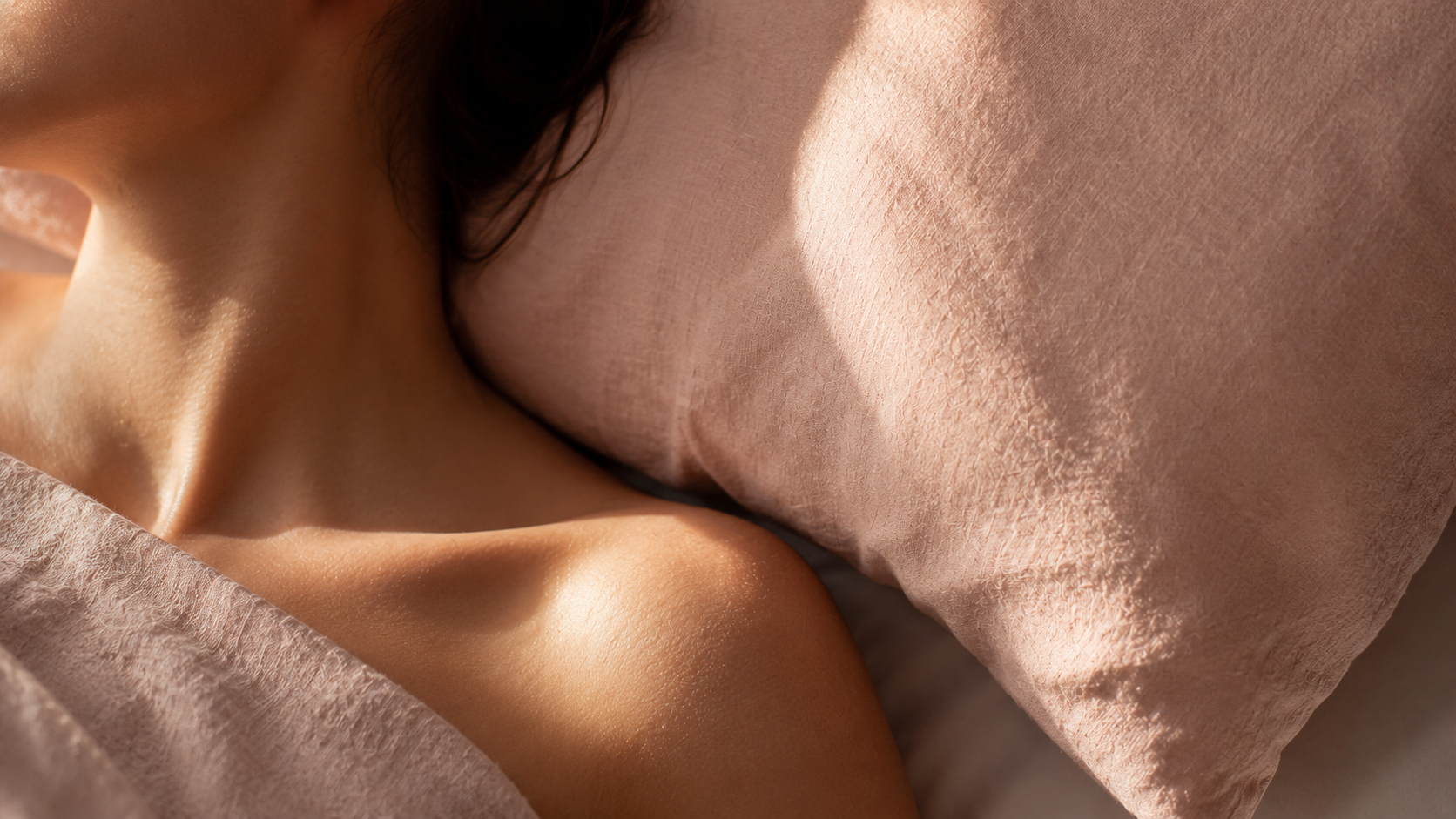
Creating an optimal sleep environment is an actionable step towards supporting post-procedure skin recovery. A cool, dark, and quiet room signals to the body that it is time for rest, facilitating the onset of deep sleep stages where much of the skin's repair work occurs. Investing in high-quality, breathable bedding, such as silk or satin pillowcases, can also minimize friction and irritation on delicate post-procedure skin, preventing unnecessary stress or pressure points. These small considerations contribute significantly to overall comfort and the quality of rest.
Establishing a consistent bedtime routine further reinforces the body's natural sleep-wake cycle. This might include winding down with a warm bath, gentle stretching, or reading a book, avoiding stimulating activities or screens before bed. Hydration throughout the day, coupled with limiting caffeine and alcohol intake, especially in the evening, also plays a supportive role in preparing the body for restorative sleep. These practices, while seemingly simple, collectively create an an environment conducive to profound sleep and, by extension, accelerated skin healing. For a comprehensive approach to recovery, consider a holistic post-procedure skincare guide that integrates lifestyle factors.
Why Sleep Works Best With Complementary Technologies
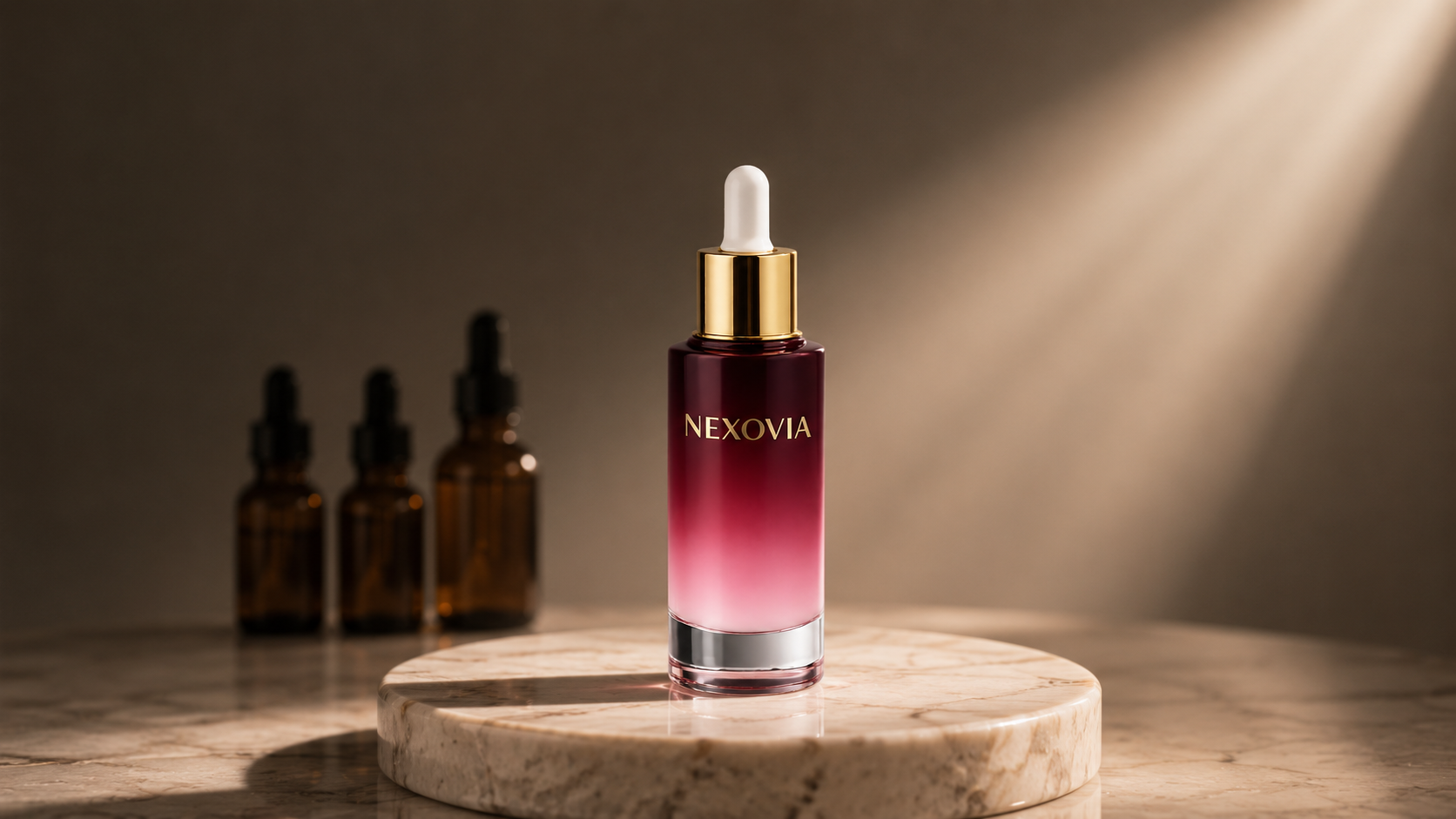
While the body's intrinsic capacity for nocturnal repair is powerful, it can be profoundly augmented by intelligent, targeted skincare. Nexovia’s ABA.4 Bio-Intelligent Architecture is engineered to work in profound synergy with the skin’s natural healing rhythms, particularly during the critical period of sleep and skin recovery. This advanced formulation delivers a sophisticated blend of ingredients that support and accelerate the cellular processes initiated during rest, ensuring that every hour of sleep contributes maximally to skin regeneration.
The ABA.4 architecture comprises a potent peptide matrix, designed to signal cells for repair and collagen synthesis, mirroring the body's natural messaging systems. Complementing this are 4 billion particles/mL of advanced plant exosomes, microscopic vesicles that facilitate intercellular communication, delivering growth factors and regenerative signals precisely where they are needed. This accelerates tissue remodeling and reduces inflammation, working hand-in-hand with the body’s nocturnal repair efforts. Further enhancing this complex is 1% PDRN (Polydeoxyribonucleotide), a DNA-derived ingredient known for its tissue repair and anti-inflammatory properties, and 1% NAD+ (Nicotinamide Adenine Dinucleotide), a vital coenzyme that fuels cellular energy production, critical for efficient healing and regeneration. Understanding NAD+ for skin reveals its role in supporting cellular function. This intelligent combination ensures that while you rest, your skin is actively engaged in its most efficient recovery, amplifying the results of your cosmetic procedure.
Frequently Asked Questions
How does sleep deprivation specifically impact post-procedure inflammation?
Sleep deprivation increases systemic inflammation by elevating cortisol levels and disrupting cytokine balance. This can prolong post-procedure redness, swelling, and discomfort, potentially delaying the overall healing timeline and impacting final results.
Is there an ideal sleep position for post-procedure healing?
Sleeping on your back is generally recommended, especially after facial procedures. This minimizes pressure on the treated areas, reduces swelling, and prevents potential irritation or friction from pillows, which can be particularly beneficial for delicate skin.
Can napping help compensate for lost sleep after a procedure?
While short naps can offer some restorative benefits, they typically do not provide the deep, uninterrupted sleep cycles essential for comprehensive cellular repair and HGH release. Consistent, sufficient nighttime sleep remains the most effective strategy for optimal skin healing.
How long after a procedure should I prioritize sleep for healing?
Prioritizing quality sleep is crucial throughout the entire healing process, but it is especially vital in the first week to ten days post-procedure when the skin is most vulnerable and actively undergoing its initial repair phases. Continuing good sleep habits supports long-term skin health and procedure efficacy.
Does the quality of my sleep affect how well my skincare products work?
Yes, significantly. During deep sleep, the skin's barrier is more permeable, and blood flow increases, enhancing the absorption and efficacy of topical skincare ingredients. When combined with intelligent formulations like Nexovia’s ABA.4, restorative sleep allows these products to work optimally, supporting cellular repair and regeneration.
This content is for informational purposes only and does not constitute medical advice. Always follow the specific aftercare instructions provided by your practitioner, as recommendations may vary based on your individual treatment and skin type.
Disclaimer: This article is for educational purposes only and is not medical advice. Always follow your provider's guidance after cosmetic procedures.