Journal
What to Eat to Support Skin Recovery After an Aesthetic Procedure
Optimizing your diet after an aesthetic procedure is crucial for accelerating recovery and enhancing results. This guide explores the essential nutrients and dietary choices that support skin repair and regeneration.
July 16, 2026 / 7 min read
Following an aesthetic procedure, the skin enters a critical phase of repair and regeneration. While external care, such as specific topicals and gentle cleansing, is paramount, true recovery is a holistic process. The body’s innate ability to heal is profoundly influenced by its internal environment.
Just as a skilled architect understands the materials needed to construct a robust edifice, our bodies require precise nutritional components to rebuild and restore dermal integrity. A considered post-procedure regimen extends beyond the topical; it encompasses a strategic approach to dietary intake.
This article explores the integral role of specific nutrients in supporting cellular repair, mitigating inflammation, and fortifying the skin’s barrier function. Understanding what to eat to support skin recovery after a procedure is not merely supplementary; it is foundational to optimizing outcomes and ensuring a refined, resilient complexion.

The Foundational Role of Nutrition in Skin Repair
The skin, our largest organ, undergoes significant stress during aesthetic procedures. Whether it is laser resurfacing, microneedling, or a chemical peel, the controlled trauma initiates a cascade of biological responses aimed at repair. This repair process is energy-intensive and demands a consistent supply of specific macronutrients and micronutrients.
A diet optimized for post-procedure recovery functions as an internal support system, providing the necessary raw materials for collagen synthesis, elastin production, and the regeneration of healthy skin cells. It aids in reducing oxidative stress, managing inflammation, and ensuring the efficient removal of cellular debris, all of which are vital for a smooth, uneventful healing trajectory and enhanced results.
Essential Macronutrients for Rebuilding
Macronutrients—proteins, carbohydrates, and fats—are the primary energy sources and structural components for all bodily functions, including skin repair. Protein provides amino acids, the building blocks for new tissue. Complex carbohydrates fuel cellular processes without causing rapid blood sugar spikes. Healthy fats are crucial for cell membrane integrity and inflammation modulation.
Micronutrients: Catalysts for Cellular Health
Vitamins and minerals, though required in smaller quantities, act as cofactors and antioxidants, facilitating enzymatic reactions and protecting cells from damage. Vitamin C is indispensable for collagen synthesis, while zinc supports wound healing and immune function. B vitamins play roles in energy metabolism, and Vitamin A aids cell differentiation. Their presence ensures that the repair machinery operates at peak efficiency.
Key Dietary Components for Optimal Healing
Focusing on specific food groups can significantly enhance the body's ability to recover. Prioritizing nutrient-dense options ensures a steady supply of compounds essential for dermal regeneration and overall well-being during this delicate period.
Protein: The Building Blocks
Adequate protein intake is non-negotiable for tissue repair. Amino acids derived from protein are the fundamental units for synthesizing collagen, elastin, and other structural proteins that restore skin integrity. Lean sources like poultry, fish, eggs, legumes, and nuts should be consistently integrated into meals. For those with dietary restrictions, plant-based proteins such as quinoa, lentils, and tofu offer excellent alternatives.
Healthy Fats: Reducing Inflammation and Barrier Support
Omega-3 fatty acids, found in fatty fish (salmon, mackerel), flaxseeds, chia seeds, and walnuts, possess potent anti-inflammatory properties. They help to calm post-procedure redness and swelling, creating an optimal environment for healing. These fats also contribute to the integrity of cell membranes, strengthening the skin barrier function which can be compromised after treatments. Learn more about what causes skin barrier compromise.
Antioxidants: Shielding Against Oxidative Stress
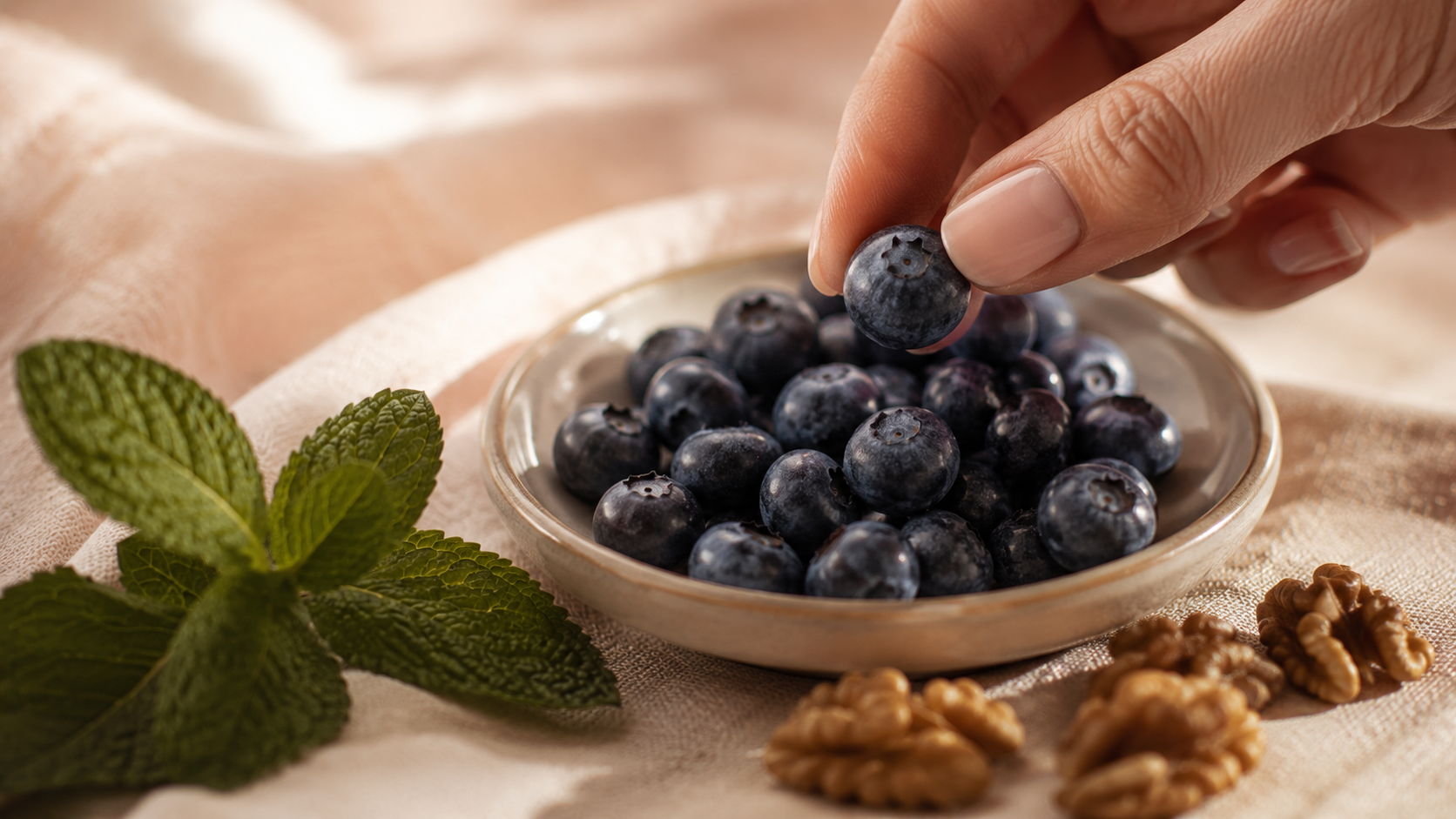
Aesthetic procedures can induce temporary oxidative stress in the skin. Antioxidants neutralize free radicals, mitigating cellular damage and supporting healthy regeneration. Berries, dark leafy greens (spinach, kale), vibrant bell peppers, and green tea are rich in vitamins C and E, beta-carotene, and polyphenols. These compounds protect cells and enhance the skin’s natural repair mechanisms.
Hydration: The Often-Overlooked Essential
Water is fundamental for every physiological process, including nutrient transport, waste elimination, and maintaining skin turgor. Dehydration can impede healing and exacerbate post-procedure tightness or dryness. Consuming ample water, herbal teas, and water-rich fruits and vegetables is crucial. This supports cellular function and aids in maintaining the skin’s natural moisture barrier.
Foods to Limit or Avoid During Recovery
Just as certain foods can aid recovery, others can hinder it. Minimizing or temporarily eliminating inflammatory and nutrient-poor options is a strategic step to support healing and prevent complications. This aspect of the diet for skin recovery after procedure is as critical as what you choose to include.
Refined sugars and processed foods can trigger inflammation, potentially prolonging redness and swelling. High glycemic index foods cause rapid blood sugar spikes, which can interfere with collagen repair and promote oxidative stress. Excessive sodium intake can contribute to fluid retention and puffiness. Alcohol, a diuretic, can lead to dehydration and impair the liver’s ability to process toxins, further taxing the body during recovery. It is advisable to restrict these items to create an optimal internal environment for healing.
Crafting a Recovery-Focused Meal Plan
Integrating these nutritional principles into daily meals does not require complex culinary efforts. Focus on whole, unprocessed foods. Breakfast might include Greek yogurt with berries and flaxseeds. Lunch could be a salad with lean protein, avocado, and a variety of colorful vegetables. Dinner might feature baked salmon with steamed greens and quinoa. Snacking on nuts, seeds, or fruit provides sustained energy and nutrient delivery.
Consistency is key. Preparing meals in advance can ensure adherence to this recovery-focused diet, especially during the initial delicate post-procedure days when energy levels might be lower. Consulting with a nutritionist can offer personalized guidance tailored to individual needs and specific procedure types.
Why Diet Works Best With Complementary Technologies
While a meticulously planned diet provides the internal scaffolding for recovery, external and advanced topical support significantly amplifies these benefits. The synergy between optimized nutrition and cutting-edge skincare accelerates healing, enhances results, and fortifies the skin’s resilience. This dual approach ensures that the skin receives comprehensive care from both within and without.
Nexovia's ABA.4 Bio-Intelligent Architecture exemplifies this advanced topical support. It is engineered to work in harmony with the body's natural healing processes, providing targeted cellular communication and regeneration. The complex features a potent peptide matrix, essential for stimulating collagen and elastin production and supporting skin barrier repair. Alongside this, plant exosomes, delivered at an impressive 4 billion particles/mL, facilitate intercellular communication, promoting faster repair and rejuvenation. These exosomes are distinct from growth factors, offering a new generation of skin recovery.
Further enhancing this architecture are PDRN 1% and NAD+ 1%. PDRN (Polydeoxyribonucleotide) supports DNA repair and cellular growth, crucial for regenerating damaged tissue. NAD+ (Nicotinamide Adenine Dinucleotide), a vital coenzyme, boosts cellular energy and repair mechanisms, essential for a robust recovery. Understanding NAD+ for skin reveals its profound impact on cellular vitality. Together, these components of ABA.4 provide a sophisticated external complement to a nutrient-rich internal diet, orchestrating a more efficient, profound, and visually superior healing outcome.
Frequently Asked Questions
How long should I maintain a recovery-focused diet after my procedure?
The most intensive period for a recovery diet is typically during the initial healing phase, which can range from a few days to several weeks, depending on the procedure. However, adopting a nutrient-rich diet long-term supports overall skin health and longevity of results.
Can dietary supplements replace a healthy diet for skin recovery?
While certain supplements can be beneficial, they should complement, not replace, a balanced diet. Whole foods offer a complex array of nutrients, fiber, and phytochemicals that often work synergistically, providing comprehensive support that isolated supplements may not fully replicate.
Are there specific foods that can help reduce post-procedure swelling?
Foods rich in omega-3 fatty acids, such as salmon, and those high in antioxidants, like berries and dark leafy greens, possess natural anti-inflammatory properties that can help mitigate swelling. Bromelain, found in pineapple, also has documented anti-inflammatory effects.
What role does hydration play beyond just drinking water?
Beyond plain water, consuming hydrating foods like cucumbers, celery, watermelon, and oranges contributes to overall fluid balance. These foods also provide electrolytes and vitamins, further supporting cellular function and skin health during recovery.
Should I consult a nutritionist before changing my diet post-procedure?
Consulting a qualified nutritionist or your healthcare practitioner is always recommended, especially if you have pre-existing health conditions, allergies, or are undergoing significant dietary changes. They can provide personalized advice tailored to your specific needs and procedure.
This content is for informational purposes only and does not constitute medical advice. Always follow the specific aftercare instructions provided by your practitioner, as recommendations may vary based on your individual treatment and skin type.
Disclaimer: This article is for educational purposes only and is not medical advice. Always follow your provider's guidance after cosmetic procedures.