How to Reduce Peeling After a Chemical Peel: Tips for a Smoother Recovery
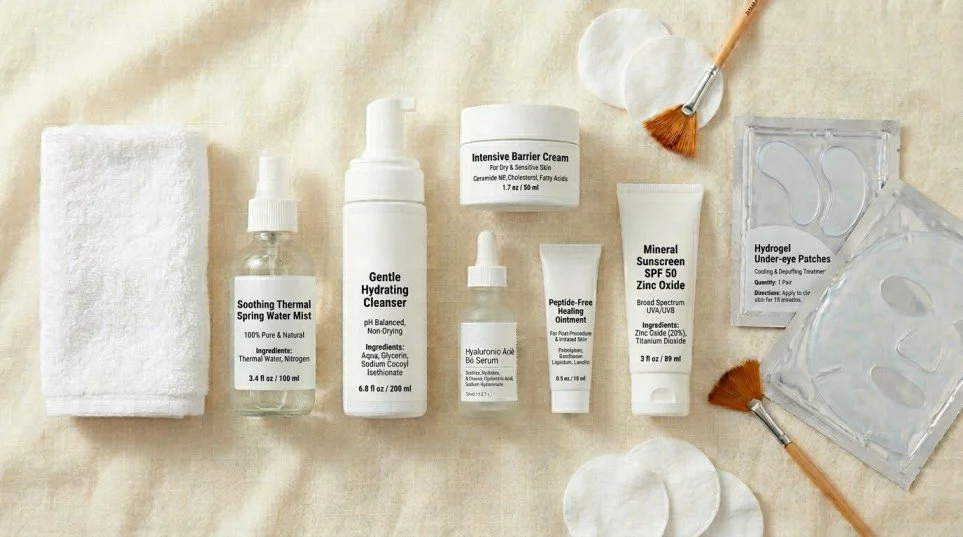
Opens by acknowledging the reality that no matter how well someone prepares, the peeling phase after a chemical peel catches most people off guard. The skin feels tight, dry patches begin to lift at the edges, and flakes appear in places that are difficult to conceal. While peeling is a completely intentional part of the treatment, it is the mechanism through which the old, damaged surface gives way to fresher, smoother skin underneath , the days spent visibly shedding are often the most uncomfortable part of the recovery process, both physically and socially. This guide explains why peeling happens, what to expect at each stage, and what you can do to reduce the intensity and duration of the flaking so that recovery is as smooth as the results you are working toward.
Why Your Skin Peels After a Chemical Peel
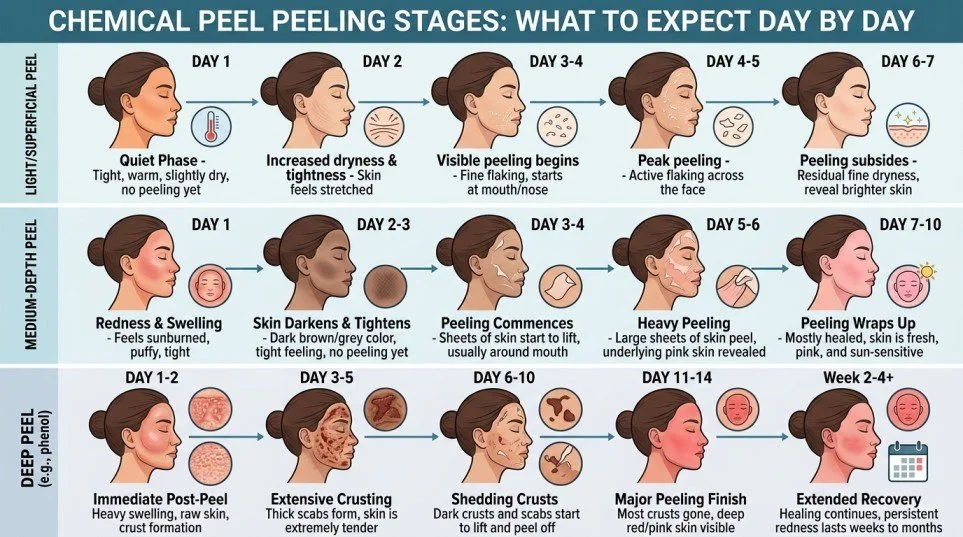
Explains that a chemical peel works by applying a controlled acid solution to the skin's surface that dissolves the bonds between old, damaged cells in the outermost layers. This controlled injury triggers the body to shed those compromised layers and replace them with new, healthier tissue underneath. The peeling that follows is not a side effect, it is the treatment working. As the acid disrupts the intercellular bonds in the stratum corneum, the outer layers lose their attachment and gradually separate from the newer skin forming beneath them. The depth and intensity of the peeling correspond directly to the strength of the peel. Light or superficial peels, which use lower concentrations of alpha-hydroxy acids or beta-hydroxy acids, produce mild flaking that may resemble dry skin. Medium peels using trichloroacetic acid produce more noticeable sheets of peeling. Deep peels create significant, visible shedding that can last one to two weeks. In all cases, the peeling is a sign that the renewal process is underway.
What to Expect: The Peeling Timeline
Provides a detailed day-by-day overview so patients can anticipate each stage. Day one is typically the quiet phase: the skin feels tight, warm, and slightly dry, but peeling has not yet started. The acid has done its work, and the skin is beginning to respond. Day two brings increased dryness and tightness. The skin may appear slightly shiny or feel like it is stretched taut. Some patients notice a subtle darkening or bronzing of the surface, particularly after medium peels, which is the treated layer preparing to separate. Days three to four mark the beginning of visible peeling for most peel types. Flaking usually starts around the mouth, chin, or nose, areas with more movement and friction, and gradually spreads outward. For light peels this may be fine, subtle flaking. For medium peels the sheets of peeling are more obvious and harder to conceal. Days four to five represent peak peeling for light and medium peels. Large patches of skin may be visibly lifting at the edges. The temptation to pull or pick at these flaps is strongest at this stage and resisting that urge is one of the most important things a patient can do. Days six to seven see the peeling begin to taper off for light peels, with new, smoother skin visible underneath. Medium peels may continue peeling into the second week. Deep peels can take up to two full weeks before the peeling cycle is complete. Once peeling ends, the new skin is typically pink, smooth, and noticeably more even in tone and texture than the pre-peel surface, but it remains delicate and requires continued protection.
The Number One Rule: Do Not Pick, Pull, or Peel
Explains that this is the single most important piece of advice for anyone recovering from a chemical peel, and it bears repeating because the urge to help the process along is intense. When a flap of skin is lifting at the edges, the natural instinct is to pull it off. But doing so can remove skin that is not yet ready to separate, exposing the immature layer underneath before it has had time to fully form. The consequences include prolonged redness that extends well beyond the normal timeline, an increased risk of post-inflammatory hyperpigmentation particularly in Fitzpatrick skin types III through VI, scarring in areas where the premature removal caused a deeper wound than the peel intended, uneven healing that results in patchy texture, and a higher risk of infection in the exposed area. Let the skin shed on its own schedule. If a flap is bothering you, use clean scissors to carefully trim the loose edge flush with the skin surface rather than pulling it away. Better yet, keep it moisturized so the edges stay soft and flat against the skin.
Practical Tips for Reducing Peeling Intensity
Explains that while you cannot eliminate peeling entirely, nor would you want to, since it is the mechanism of the treatment, you can reduce its visibility, discomfort, and duration with the right approach.
Moisturize consistently and generously.
Hydration is the most effective tool for managing the peeling phase. A bland, fragrance-free, non-comedogenic moisturizer applied multiple times per day keeps the separating layers soft and pliable rather than dry and cracked. When the peeling skin stays hydrated, it lies flatter against the surface, is less visible, and is less likely to catch on clothing or be tempting to pick. Look for moisturizers containing ceramides, hyaluronic acid, panthenol, or glycerin, all of which support barrier repair while providing immediate hydration. Some practitioners recommend applying a thin layer of a healing ointment at night during the peak peeling days to lock in moisture while sleeping.
Cleanse with extreme gentleness.
Use only a mild, fragrance-free, non-foaming cleanser and lukewarm water. Wash with your fingertips using the lightest possible touch and pat dry with a soft, clean towel. Do not use a washcloth, sonic brush, or any exfoliating tool during the peeling phase. These can catch on lifting edges and tear the skin prematurely, causing the same risks as picking.
Stay hydrated internally.
Drinking adequate water supports the skin's healing from the inside. Dehydrated skin peels more aggressively and is slower to repair. While there is no specific volume proven to change peeling outcomes, maintaining your normal water intake and avoiding dehydrating beverages like alcohol supports the overall recovery environment.
Avoid heat and sweating.
Hot showers, saunas, steam rooms, and vigorous exercise increase blood flow to the face and can intensify redness and make peeling more uncomfortable. Sweat can also irritate the sensitive new skin emerging beneath the peeling layers. Keep showers lukewarm and avoid strenuous activity for the first 48 to 72 hours, or longer if peeling is still active.
Protect from sun exposure.
The new skin revealed by peeling has virtually no UV protection. Even brief sun exposure can cause hyperpigmentation that may take months to resolve, directly undermining the results the peel was meant to produce. Apply a mineral sunscreen with SPF 50 or higher every day, even if you are staying indoors, since UVA penetrates windows. Reapply every two hours if outdoors. Wear a wide-brimmed hat whenever possible during the peeling and early post-peeling phase.
Avoid active ingredients during peeling.
Retinoids, AHAs, BHAs, vitamin C in its L-ascorbic acid form, benzoyl peroxide, and any exfoliating or acid-based products must be completely avoided until peeling is finished and the practitioner confirms the skin is ready. Applying acids to already-peeling skin can cause chemical burns, extended irritation, and uneven results.
Supporting Recovery Through the Peeling Phase
Explains that what you apply to the skin during and after peeling influences both the comfort of the process and the quality of the new skin that emerges. Ingredients that support cellular repair, calm inflammation, and promote barrier restoration help the new skin develop with stronger structure and more even tone.
Nexovia Skin Serum was formulated for exactly this recovery window. Its ABA.4 Aesthetic Bio-Amplifier architecture delivers four bio-active pillars that work together during the transition from old skin to new: plant exosomes at 4 billion particles per milliliter provide multi-signal communication to the freshly exposed cells, supporting barrier formation, calming inflammation, and promoting the collagen synthesis that determines the quality and resilience of the new surface. PDRN at 1 percent supports cellular repair at the DNA level, particularly relevant as the new epidermis forms and matures. NAD+ at 1 percent fuels the cellular energy demands of rapid skin renewal, ensuring the cells doing the most work have the metabolic resources they need. The peptide matrix with growth factors reinforces collagen and elastin production in the dermis beneath the peeling surface, contributing to the firmness and texture improvement that becomes visible weeks after the peeling phase ends.
Protocol: Days 1–7 apply 1 mL morning and night to clean skin, followed by a bland moisturizer and mineral SPF 50+ during the day. Days 8–14 reduce to 0.5 mL morning and night as peeling resolves and the new skin stabilizes. After day 14 continue with 1 mL once daily until the 30 mL bottle is finished. Made in South Korea, Nexovia Skin Serum launches in June 2026 with early-access registration available.
Frequently Asked Questions
-
Addresses a common concern from the opposite end: patients who expected visible peeling and are not seeing it. Explains that not all peels produce dramatic, visible shedding. Light and superficial peels may cause only minor flaking that blends in with normal dry skin and can be missed entirely. Some patients may notice no visible peeling at all, particularly with very light formulations or enzyme-based peels. This does not mean the peel did not work. The acid still disrupted the bonds in the outer layers and stimulated renewal, the shedding simply happened at a microscopic level that was not visible to the eye. If the practitioner confirms the peel was applied correctly, the absence of dramatic peeling is not a cause for concern.
-
For light peels, visible flaking typically lasts two to five days, starting around day two or three. For medium peels, peeling can last five to seven days or longer. Deep peels may produce shedding that continues for up to two weeks. The exact duration depends on the peel type, concentration, your skin type, and environmental factors like humidity.
-
Most practitioners advise waiting until peeling is complete before applying makeup, as cosmetics can catch on lifting skin edges, introduce irritants to the exposed surface, and interfere with the healing process. If you must wear makeup, use only mineral-based, fragrance-free formulas and apply them with clean fingers rather than brushes or sponges. Discuss timing with your practitioner for specific guidance.
-
Yes. Peeling often begins in areas with the most movement and friction, like the mouth and chin, and spreads to smoother areas like the forehead and cheeks over the following days. Uneven peeling does not mean the treatment was applied unevenly. The skin simply sheds at different rates across different areas of the face.
-
This is normal during days one and two. The tightness means the acid has done its work and the skin is preparing to shed. Applying moisturizer frequently, as often as every two to three hours if the skin feels uncomfortable, helps manage the sensation. Do not attempt to speed up the peeling process with exfoliants or scrubs.
-
Generally, yes. The depth and concentration of the peel directly correlate with the extent of visible peeling. A light glycolic peel may produce only subtle flaking, while a medium TCA peel produces more noticeable sheets of peeling. Your practitioner will explain what to expect based on the specific peel used.
This content is provided for informational purposes only and does not constitute medical advice. Always follow your practitioner's specific aftercare instructions.
