The Complete Guide to Post-Procedure Skincare
You've done your research, found the right practitioner, and finally committed to the procedure you've been considering for months. Whether it was laser resurfacing, microneedling, a chemical peel, or IPL, you walked out of the clinic feeling hopeful that the results would be worth it.
Then you got home. You looked in the mirror and saw redness, felt tightness, noticed sensitivity you weren't quite prepared for. And the question that runs through every patient's mind crept in: Is this normal? Did something go wrong? Will this actually turn out okay?
Here's what most people don't realize until they're already in the middle of recovery: the procedure itself is only half the equation. What you do in the hours and days that follow plays an equally critical role in determining your final outcome. The right aftercare can mean the difference between results that exceed your expectations and results that fall short, between smooth healing and prolonged redness, between that glass-skin glow you wanted and stubborn hyperpigmentation that takes months to fade.
This guide exists because aftercare deserves more than a photocopied handout. Your skin just underwent a controlled injury designed to trigger regeneration. Understanding how to support that process isn't just helpful, it's essential.
What Actually Happens to Your Skin During Aesthetic Procedures
To understand why aftercare matters so much, you first need to understand what these procedures do at the cellular level.
Every effective aesthetic procedure works on the same fundamental principle: controlled damage triggers repair. When your skin experiences trauma, it activates a cascade of biological responses designed to heal the wound and rebuild tissue. This is why procedures that seem aggressive, creating thousands of micro-punctures, removing layers of skin with lasers, or applying acids that cause controlled peeling, actually lead to younger, healthier-looking skin. You're essentially forcing your skin to regenerate.
This process happens in three distinct phases, and each phase has different needs.
The Inflammatory Phase
The inflammatory phase begins immediately after your procedure and typically lasts 24 to 72 hours. During this window, your body sends blood flow to the area (causing redness and warmth), immune cells arrive to clean up damaged tissue, and signaling molecules called cytokines coordinate the repair response. This inflammation is not a complication, it's the necessary first step in healing. However, excessive or prolonged inflammation can lead to problems like post-inflammatory hyperpigmentation, which is why managing this phase appropriately matters so much.
The Proliferation Phase
The proliferation phase follows, usually spanning days 3 through 14. This is when the real rebuilding happens. Fibroblasts migrate to the area and begin producing new collagen and elastin. New blood vessels form to supply nutrients to the healing tissue. Epithelial cells multiply to restore the skin's surface barrier. During this phase, your skin is simultaneously rebuilding its structure while remaining more vulnerable than usual because the protective barrier hasn't fully reformed.
The Remodeling Phase
The remodeling phase can continue for weeks or even months after your procedure. The initial collagen deposited during proliferation gets reorganized into stronger, more organized structures. This is when you see the progressive improvement that makes aesthetic procedures worthwhile, the continued firming, smoothing, and refinement that happens long after the visible healing is complete.
Understanding these phases explains why aftercare isn't one-size-fits-all. What your skin needs on day one is different from what it needs on day seven, which is different from what it needs at week three.
The Skin Barrier: Why It's the Key to Everything
If there's one concept that defines successful post-procedure recovery, it's the skin barrier.
Your skin's outermost layer, the stratum corneum, functions like a brick-and-mortar wall. The "bricks" are dead skin cells called corneocytes, and the "mortar" is a complex mixture of lipids including ceramides, cholesterol, and fatty acids. This barrier serves two critical functions: it keeps water in (preventing dehydration) and keeps irritants, pathogens, and allergens out (preventing inflammation and infection).
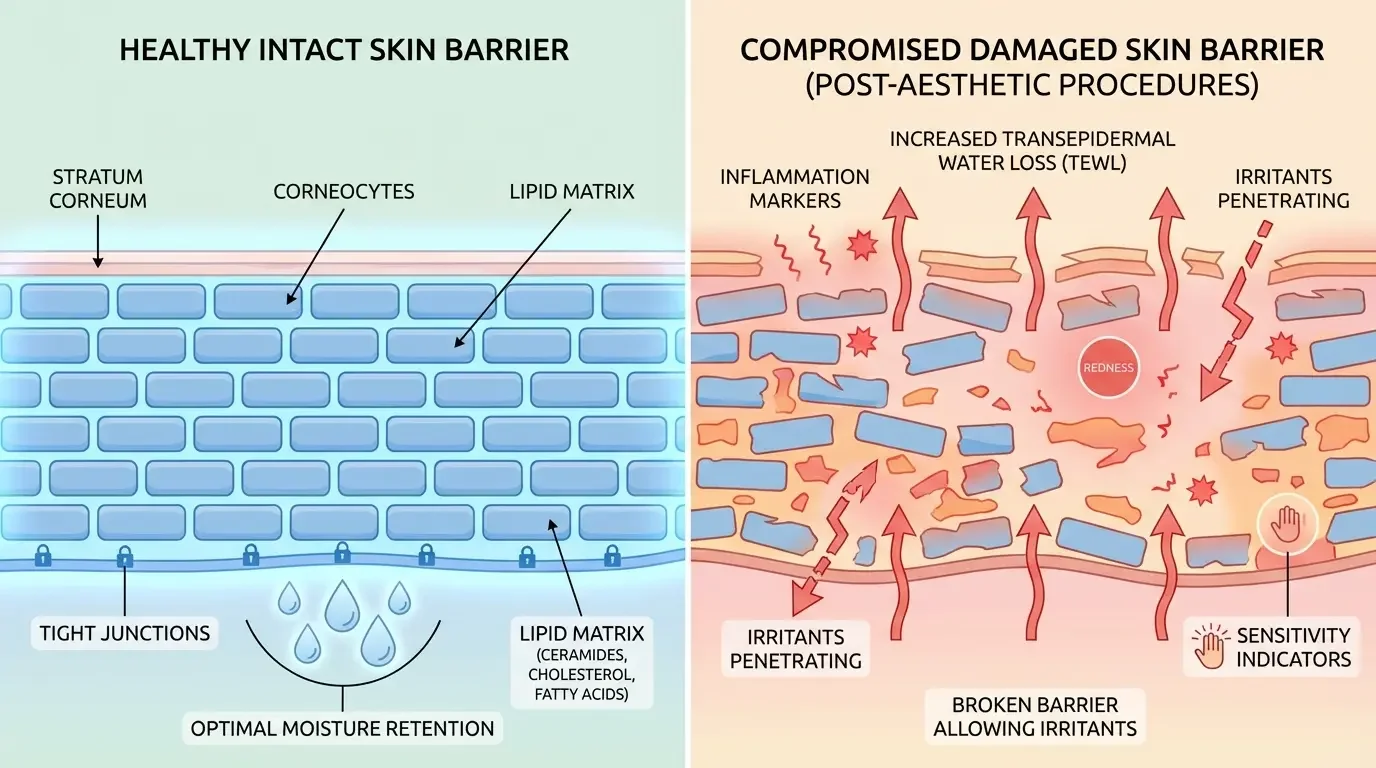
Virtually every aesthetic procedure compromises this barrier to some degree. Microneedling punctures through it. Lasers vaporize portions of it. Chemical peels dissolve it. Even gentler treatments like IPL can temporarily disrupt barrier function.
When your barrier is compromised, two things happen. First, transepidermal water loss increases dramatically, your skin loses moisture much faster than normal, which is why post-procedure skin often feels tight, dry, and uncomfortable. Second, your skin becomes hypersensitive to ingredients and environmental factors that normally wouldn't cause problems. That gentle vitamin C serum you've used for years? It might cause stinging and irritation on barrier-compromised skin. The sunlight streaming through your window? It can trigger hyperpigmentation much more easily when your barrier isn't intact.
This is why the first priority of any post-procedure skincare routine is supporting barrier recovery. Until your barrier is restored, your skin cannot properly protect itself, retain moisture, or tolerate active ingredients. Attempting to use potent actives before your barrier has healed doesn't accelerate results, it creates new problems.
The Recovery Timeline: What to Expect Day by Day
While every procedure and every individual heals differently, most aesthetic treatments follow a general pattern. Understanding this timeline helps you know what's normal and when to be concerned.
The First 24 Hours
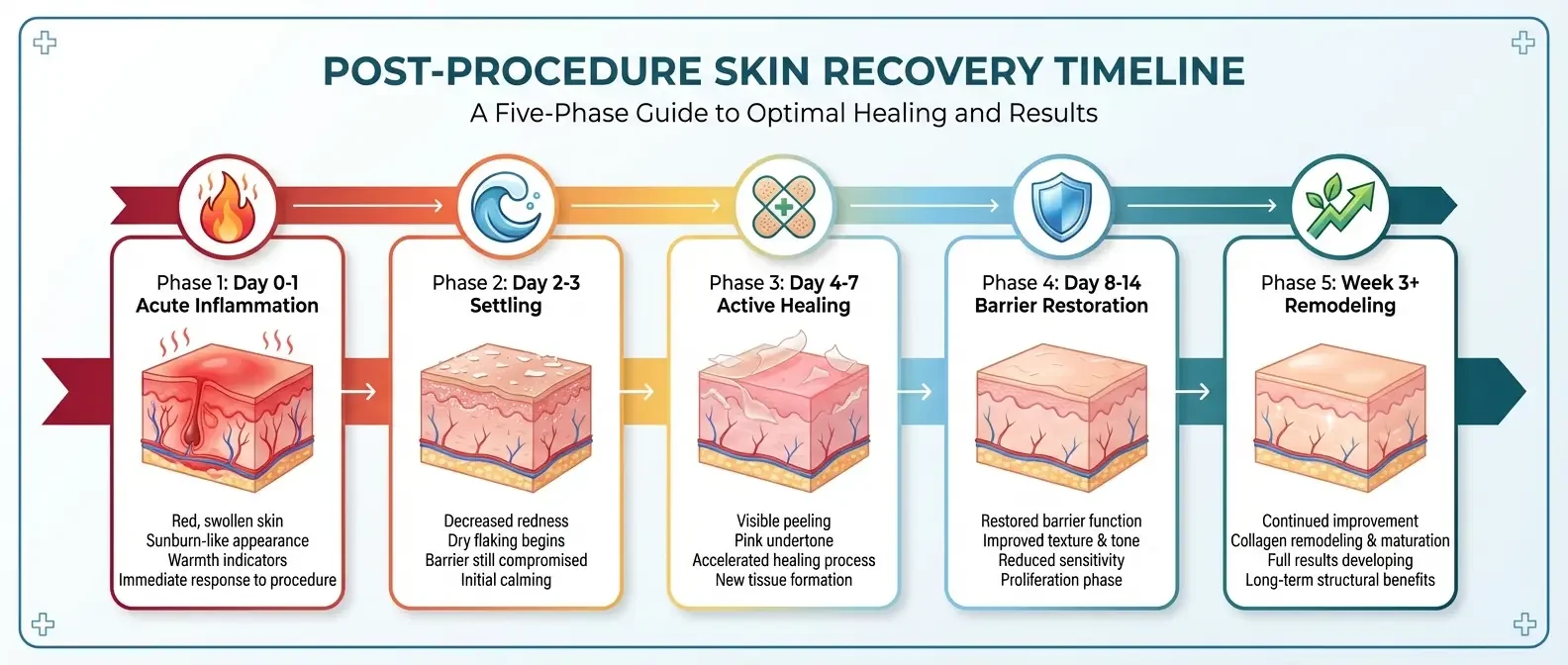
During the first 24 hours, expect the most intense visible reaction. Redness, warmth, and mild swelling are completely normal. Your skin may feel tight, sensitive, or have a sunburn-like quality. Some procedures cause pinpoint bleeding or oozing that resolves within hours. This is the acute inflammatory phase at its peak, and it's a sign that your body's repair mechanisms have been activated.
Day 2 Through 3
From days two through three, inflammation begins to settle but hasn't resolved. Redness typically decreases but remains noticeable. Skin often feels dry and may begin to flake or peel depending on the procedure. The barrier is still significantly compromised during this window, making gentle care essential.
Day 4 Through 7
During days four through seven, visible healing accelerates. Peeling may increase before improving as the outer layer sheds to reveal new skin beneath. Redness continues to fade, though some pink undertone often persists. Skin starts to feel more comfortable but may still be sensitive to products that wouldn't normally cause issues.
Day 8 Through 14
From days eight through fourteen, the proliferation phase is in full effect. Most visible redness has resolved for the majority of patients. The barrier is substantially restored, though not necessarily back to baseline. Skin texture begins to improve as new collagen is laid down. This is typically when patients can begin gradually reintroducing some elements of their regular routine.
Beyond Two Weeks
Beyond two weeks, the remodeling phase continues beneath the surface. Visible recovery is usually complete, but internal restructuring continues. Results continue to improve over the following weeks and months. Full outcomes from a single treatment often aren't apparent for 8 to 12 weeks.
This timeline can vary significantly based on the type and intensity of your procedure. A light chemical peel might complete visible recovery in three to four days, while ablative laser resurfacing might require two to three weeks. Your practitioner should provide specific guidance based on your treatment.
The Ingredients That Actually Support Healing
Not all skincare ingredients are appropriate for post-procedure skin, and not all "gentle" or "healing" ingredients are equally effective. Here's what the science supports
Hyaluronic Acid
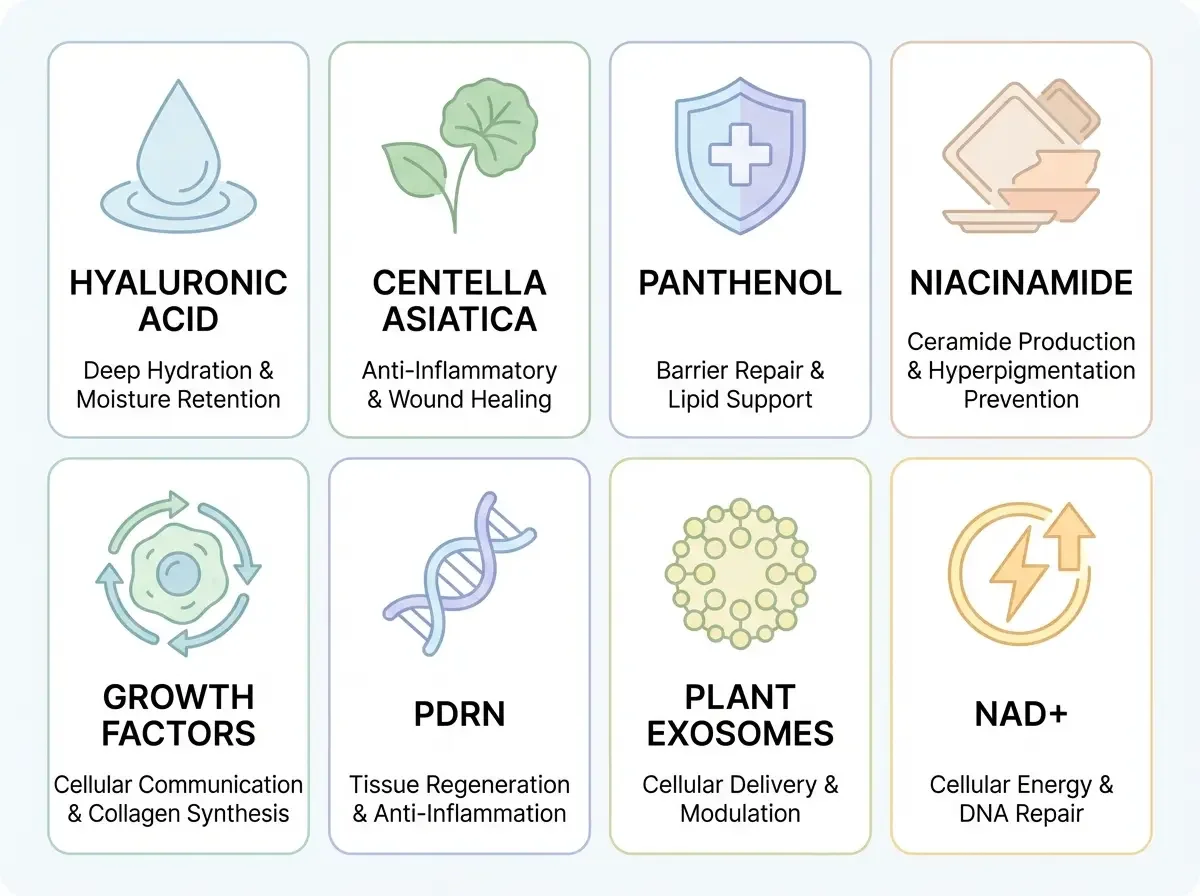
Hyaluronic acid is foundational for post-procedure recovery. This molecule can hold up to 1,000 times its weight in water, making it exceptionally effective at delivering hydration to dehydrated, barrier-compromised skin. Unlike heavier occlusive ingredients, hyaluronic acid is lightweight and unlikely to cause congestion or interfere with healing. Look for products containing multiple molecular weights of hyaluronic acid, as smaller molecules penetrate deeper while larger molecules hydrate the surface.
Centella Asiatica
Centella asiatica, often called cica, has been used in wound healing for centuries and is now backed by substantial research. The active compounds in centella—particularly asiaticoside, madecassoside, asiatic acid, and madecassic acid—have demonstrated anti-inflammatory effects, stimulation of collagen synthesis, and acceleration of wound closure in clinical studies. This ingredient is particularly valuable during the inflammatory phase when calming the skin without suppressing the healing response is the goal.
Panthenol
Panthenol, the provitamin form of B5, supports barrier repair through multiple mechanisms. It acts as a humectant to attract moisture, supports the synthesis of lipids needed for barrier function, and has demonstrated anti-inflammatory properties. Panthenol is well-tolerated even by highly sensitive, compromised skin.
Niacinamide
Niacinamide, vitamin B3, offers benefits throughout the recovery process. It supports barrier function by increasing ceramide production, has anti-inflammatory properties that help manage redness, and can help prevent the post-inflammatory hyperpigmentation that many patients fear. Concentrations of 4 to 5 percent are typically well-tolerated and effective without causing irritation.
Growth Factors and Peptides
Growth factors and peptides are increasingly recognized as valuable for post-procedure recovery. These signaling molecules communicate with skin cells to support and accelerate the repair process. Epidermal growth factor, or EGF, has been shown to promote wound healing and epithelial regeneration. Various peptides can signal fibroblasts to increase collagen production or support other aspects of skin repair.
PDRN
PDRN, polydeoxyribonucleotide derived from salmon DNA, represents a more advanced approach to supporting tissue repair. PDRN works by activating adenosine A2A receptors, which triggers pathways involved in tissue regeneration and anti-inflammation. Originally used in wound healing and regenerative medicine, PDRN is gaining recognition in aesthetic recovery for its ability to support the skin's natural repair processes.
Plant Exosomes
Plant-derived exosomes are among the newest innovations in post-procedure skincare. Exosomes are tiny vesicles that cells use to communicate with each other, carrying proteins, lipids, and genetic material. Plant exosomes, particularly those derived from sources like centella asiatica and ginseng, can deliver bioactive compounds directly to skin cells and modulate inflammatory responses. This technology represents a frontier in supporting skin recovery at the cellular level.
NAD+
NAD+, nicotinamide adenine dinucleotide, is a coenzyme essential for cellular energy production and DNA repair. As a rate-limiting substrate for enzymes involved in cellular repair and longevity pathways, NAD+ supports the intensive energy demands of healing skin. Topical NAD+ is emerging as a way to support cellular function during the demanding recovery period.
What to Avoid During Recovery
Knowing what not to do is equally important as knowing what to do. Certain ingredients and behaviors can interfere with healing, trigger inflammation, or cause complications.
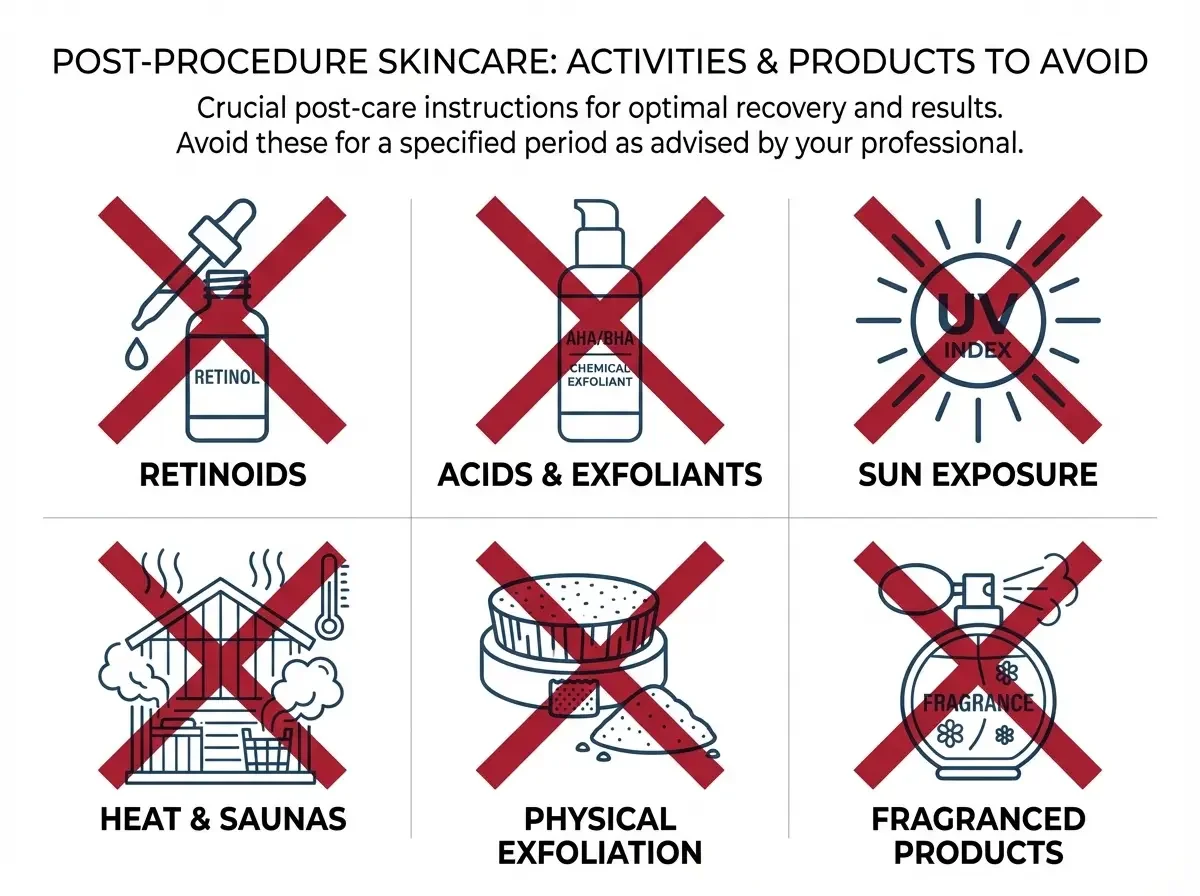
Retinoids
Retinoids, including retinol, tretinoin, and adapalene, should be avoided for at least one to two weeks after most procedures, and longer after more intensive treatments. Retinoids increase cell turnover and can cause irritation even on healthy skin. On barrier-compromised post-procedure skin, they're likely to cause significant irritation and potentially worsen inflammation.
Alpha-Hydroxy and Beta-Hydroxy Acids
Alpha-hydroxy acids and beta-hydroxy acids, including glycolic acid, lactic acid, and salicylic acid, should similarly be avoided during the initial recovery period. These exfoliating acids can disrupt the healing process, cause stinging and irritation, and compromise the reforming barrier.
Benzoyl Peroxide
Benzoyl peroxide is too harsh for post-procedure skin. Even if you rely on it for acne management, it needs to be paused during recovery to avoid irritation and potential damage to healing tissue.
Physical Exfoliation
Physical exfoliation, including scrubs, brushes, and exfoliating cloths, is contraindicated. Your skin is already shedding damaged cells as part of the healing process. Manually exfoliating on top of this can cause microtears, increase inflammation, and delay recovery.
Vitamin C Serums
Vitamin C serums, despite their antioxidant benefits, can be irritating to freshly treated skin, particularly at the higher concentrations found in many products. Most practitioners recommend waiting at least three to seven days before reintroducing vitamin C, and starting with a lower concentration than you might normally use.
Fragranced Products
Fragranced products, both synthetic and natural, should be avoided. Fragrance compounds are among the most common causes of skin irritation and sensitization. When your barrier is compromised, the risk of reaction increases substantially.
Heat and Intense Exercise
High-heat environments including saunas, hot tubs, and steam rooms can worsen inflammation and potentially increase the risk of complications. The same applies to intense exercise that causes heavy sweating and increased blood flow to the face. Most practitioners recommend avoiding these for at least 48 to 72 hours, and sometimes longer depending on the procedure.
Sun Exposure
Sun exposure is particularly dangerous during the recovery period. UV radiation can trigger hyperpigmentation much more easily when the barrier is compromised, and this pigmentation can be difficult to resolve. Strict sun protection, including broad-spectrum SPF 50+, reapplication every two hours when exposed, and physical protection like hats, is non-negotiable during recovery.
Procedure-Specific Considerations
While the general principles of post-procedure care apply across treatments, certain procedures have specific considerations worth noting.
After Microneedling
After microneedling, the thousands of microscopic channels created in your skin remain open for several hours. This increases both vulnerability to irritation and absorption of topical products. Many practitioners apply serums immediately after treatment to take advantage of this enhanced penetration, but at home you should stick to gentle, non-irritating products only. Avoid anything with active ingredients for at least 24 hours, and don't apply makeup until the following day at minimum.
After Laser Treatments
After laser treatments, the intensity of your procedure dramatically affects your aftercare needs. Non-ablative lasers cause minimal visible damage and typically require only a few days of gentle care. Ablative lasers, which remove layers of skin, require much more extensive aftercare, often including ointment-based wound care for the first several days before transitioning to lighter products. Always follow your practitioner's specific instructions, as laser settings vary widely.
After Chemical Peels
After chemical peels, expect peeling, but don't help it along. The most important rule is to let the skin shed naturally without picking, pulling, or manually exfoliating. Picking at peeling skin can cause scarring and uneven results. Keep the skin moisturized to minimize discomfort, and be patient. The peeling process is temporary and reveals fresher skin beneath.
After IPL (Intense Pulsed Light)
After IPL, also known as intense pulsed light or photofacial, treated pigmented spots often darken before they flake off and fade. This is normal and expected. The darkening indicates that the treatment successfully targeted the pigment. Avoid picking at these darkened spots, maintain strict sun protection, and let the skin heal naturally
After RF Treatments
After RF treatments, including radiofrequency microneedling, the heat component adds another consideration. Mild swelling is common and usually resolves within a day or two. The combination of heat and mechanical injury means barrier compromise can be more significant, so extra attention to gentle, hydrating care is warranted.
Building Your Post-Procedure Routine
Based on everything above, here's how to structure your aftercare routine. The key is matching the right ingredients to each phase of recovery, and ideally, finding a formulation that addresses the full complexity of post-procedure skin rather than piecing together multiple products.
The Immediate Phase: Day 0 Through Day 3
Your routine should be minimal and focused entirely on supporting healing. Cleanse only if necessary, and when you do, use a gentle, non-foaming cleanser with lukewarm water. Apply a hydrating, barrier-supporting serum, follow with a gentle moisturizer free of fragrance and potential irritants, and apply broad-spectrum SPF 50+ if you'll have any sun exposure. That's it. Resist the urge to add anything else.
During this phase, your skin needs hydration to compensate for increased water loss, calming ingredients to modulate inflammation without suppressing healing, and barrier support to help restore the protective layer that's been compromised. The challenge is that most products address only one of these needs, a hyaluronic acid serum hydrates but doesn't calm inflammation, while a centella product soothes but may not provide deep hydration.
The Repair Phase: Day 4 Through 14
This is where your aftercare choices make the biggest difference in your final results.
During the repair phase, your skin is actively rebuilding. Fibroblasts are producing new collagen. The barrier is being restored. This is the window when providing your skin with advanced support can genuinely accelerate healing and enhance outcomes, not just maintain comfort.
The most effective approach is a multi-modal formulation that addresses the simultaneous needs of post-procedure skin: continued barrier support, inflammation modulation, cellular energy for the demanding repair process, and active signaling to support tissue regeneration. Single-ingredient products require layering multiple serums and hoping they work well together. A purpose-built post-procedure formulation combines these functions by design.
Why We Developed the ABA.4 Bio-Intelligent Architecture
This is exactly why Nexovia exists.
We recognized that the complexity of post-procedure recovery demands more than single-ingredient solutions. Your healing skin doesn't need just hydration, or just calming, or just peptides. It needs all of these working together, in the right concentrations, formulated specifically for compromised skin.
The ABA.4 Aesthetic Bio-Amplifier architecture combines four of the most powerful technologies in skincare into one synergistic formula:
Plant Exosomes at 4 billion particles per milliliter, derived from Centella Asiatica and Panax Ginseng, deliver bioactive compounds directly to your cells. These nanovesicles modulate inflammation and support barrier homeostasis through enhanced cellular communication, addressing the immediate need to calm your skin without suppressing the healing response.
PDRN at 1% concentration activates your body's tissue repair pathways. By engaging adenosine A2A receptor signaling, PDRN promotes angiogenesis (new blood vessel formation to nourish healing tissue), supports soft tissue repair, and stimulates de novo collagen synthesis. This isn't masking symptoms, it's actively supporting regeneration.
NAD+ at 1% concentration fuels the intensive energy demands of cellular repair. Healing skin requires significantly more ATP than resting skin. NAD+ serves as a critical coenzyme for energy production while also supporting DNA repair and the cellular pathways associated with longevity and resilience.
Peptide Matrix with EGF-mimetics and Matrikines signals your fibroblasts to reinforce the extracellular matrix, the structural scaffolding of your skin. This supports the collagen and elastin production that ultimately determines your long-term results.
These four technologies don't just coexist in the formula, they work synergistically. The exosomes enhance cellular communication and delivery. The PDRN and NAD+ support the cellular machinery doing the repair work. The peptides provide the instructions for rebuilding. Together, they address post-procedure recovery from multiple angles simultaneously.
The Nexovia Protocol
Our protocol is simple because the formula is comprehensive.
During the immediate phase from day zero through day three, apply Nexovia Skin Serum after gentle cleansing, morning and evening. The plant exosomes and PDRN immediately begin supporting your skin's recovery while the hydrating base addresses barrier compromise. Follow with a bland moisturizer and SPF 50 during the day.
During the repair phase from day four through fourteen, continue applying the serum twice daily. This is when the NAD+ and peptide matrix become particularly valuable, supporting the intensive collagen production and cellular repair happening beneath the surface. You're not just maintaining comfort; you're actively optimizing your results.
During the optimization phase from week three onward, continue using Nexovia as part of your routine. The anti-aging benefits of the formula, the NAD+ supporting cellular longevity, the peptides maintaining collagen production, the exosomes supporting ongoing skin health, extend well beyond the acute recovery period. Many patients continue using the serum long after their procedure because the benefits compound over time.
If your practitioner applies Nexovia in-clinic:
Day 0 (in-clinic): Your practitioner applies 5 mL immediately after your procedure for maximum absorption through open channels.
Days 1–7: Apply 1 mL morning + 1 mL evening (2 mL daily). This intensive phase delivers PDRN and plant exosomes when your skin needs them most.
Days 8–14: Apply 0.5 mL morning + 0.5 mL evening (1 mL daily). As your barrier strengthens, the NAD+ and peptide matrix continue supporting collagen production.
Day 15 until next procedure: Apply 0.5 mL daily for ongoing anti-aging benefits and to maintain your results.
If starting Nexovia at home:
Days 0–7: Apply 1 mL morning + 1 mL evening (2 mL daily)
Days 8–14: Apply 0.5 mL morning + 0.5 mL evening (1 mL daily)
Day 15 until next procedure: Apply 0.5 mL daily for ongoing anti-aging benefits and to maintain your results.
The Optimization Phase: Week Three and Beyond
Once your skin has fully healed, you can gradually return to your regular routine. Reintroduce active ingredients one at a time, starting with lower concentrations than you used before the procedure. Monitor for any signs of irritation and slow down if needed.
Continue using Nexovia as long as desired, the bio-amplifier ingredients support ongoing skin health and anti-aging, not just acute recovery. Many patients find it becomes a permanent part of their routine because the results speak for themselves.
Maintain excellent sun protection indefinitely. The improvements you gained from your procedure can be preserved with proper care or lost to continued UV damag
The Emotional Side of Recovery
We would be remiss not to address the psychological aspect of post-procedure recovery. The days following an aesthetic treatment can be emotionally challenging, and that's completely normal.
You may experience "buyer's remorse" when you look in the mirror and see red, peeling, or swollen skin. You may question whether the procedure was worth it, whether you made the right choice, whether something has gone wrong. You may feel anxious showing your face in public or worry about what others will think.
These feelings are nearly universal among aesthetic patients. They don't mean something is wrong with your results or with you. The discomfort of the recovery period is temporary. The improvements you sought are still coming, even if you can't see them yet beneath the redness and peeling.
Trust the process. Follow your aftercare protocol. Give your skin the time it needs. The results that motivated you to pursue the procedure in the first place are on the other way.
When to Contact Your Practitioner
While most post-procedure symptoms are normal, certain signs warrant a call to your provider.
Contact your practitioner if you experience severe pain that isn't controlled by over-the-counter pain relief, as significant pain can indicate a problem. Similarly, if swelling worsens after the first 48 hours rather than improving, this is worth discussing. Signs of infection, including increasing warmth, spreading redness, pus, or fever, require prompt attention. If you develop blisters or open sores that weren't expected based on your procedure, reach out. Severe or rapidly worsening hyperpigmentation is also worth reporting, especially if it appears different from what your practitioner prepared you for.
When in doubt, contact your provider. It's always better to ask and learn that something is normal than to ignore a symptom that needs attention.
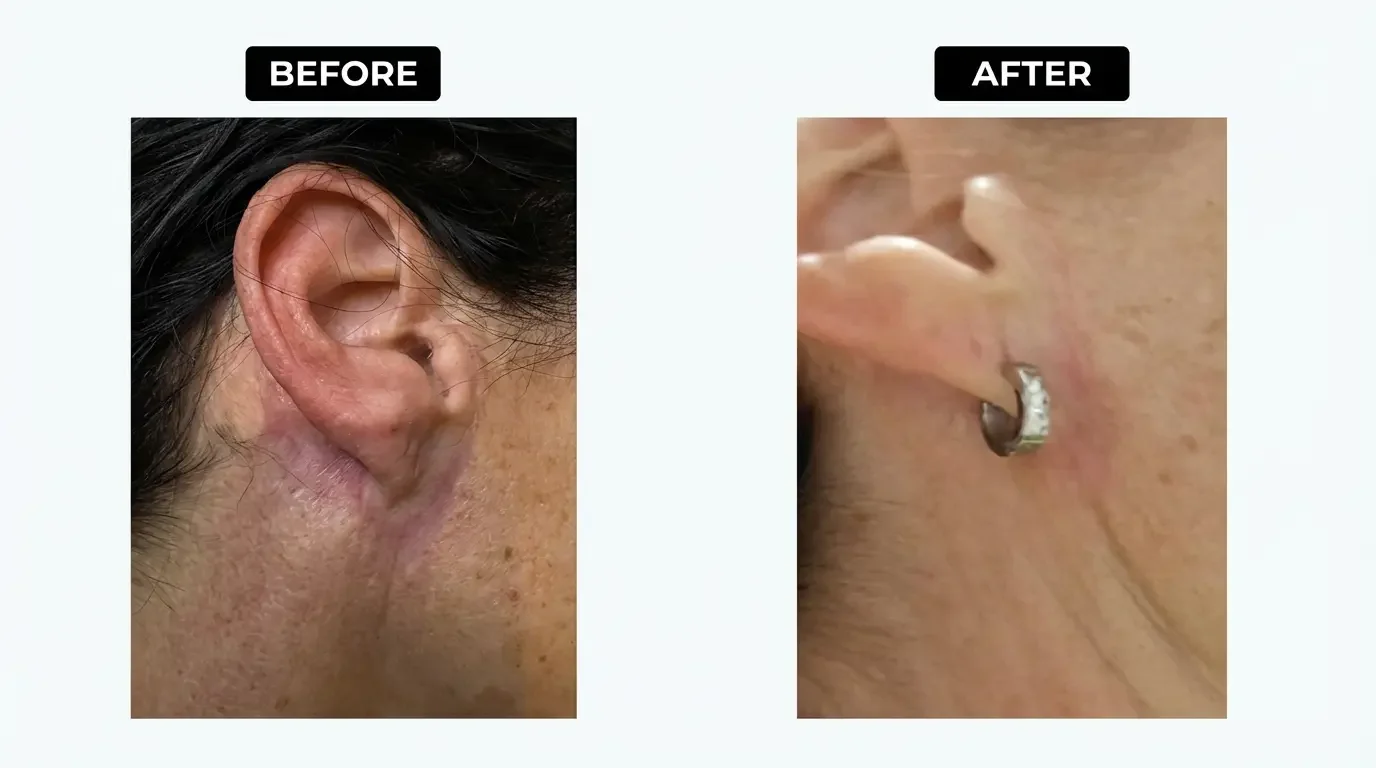
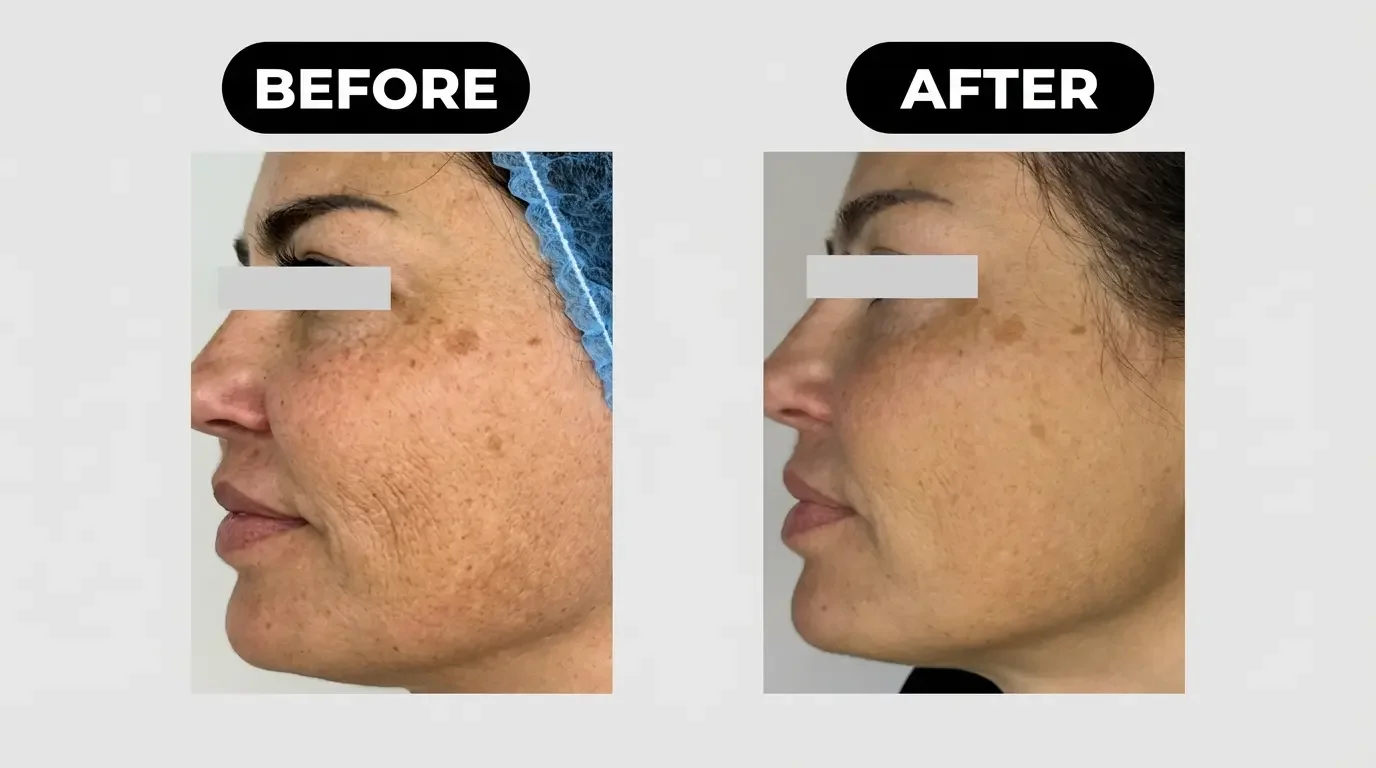
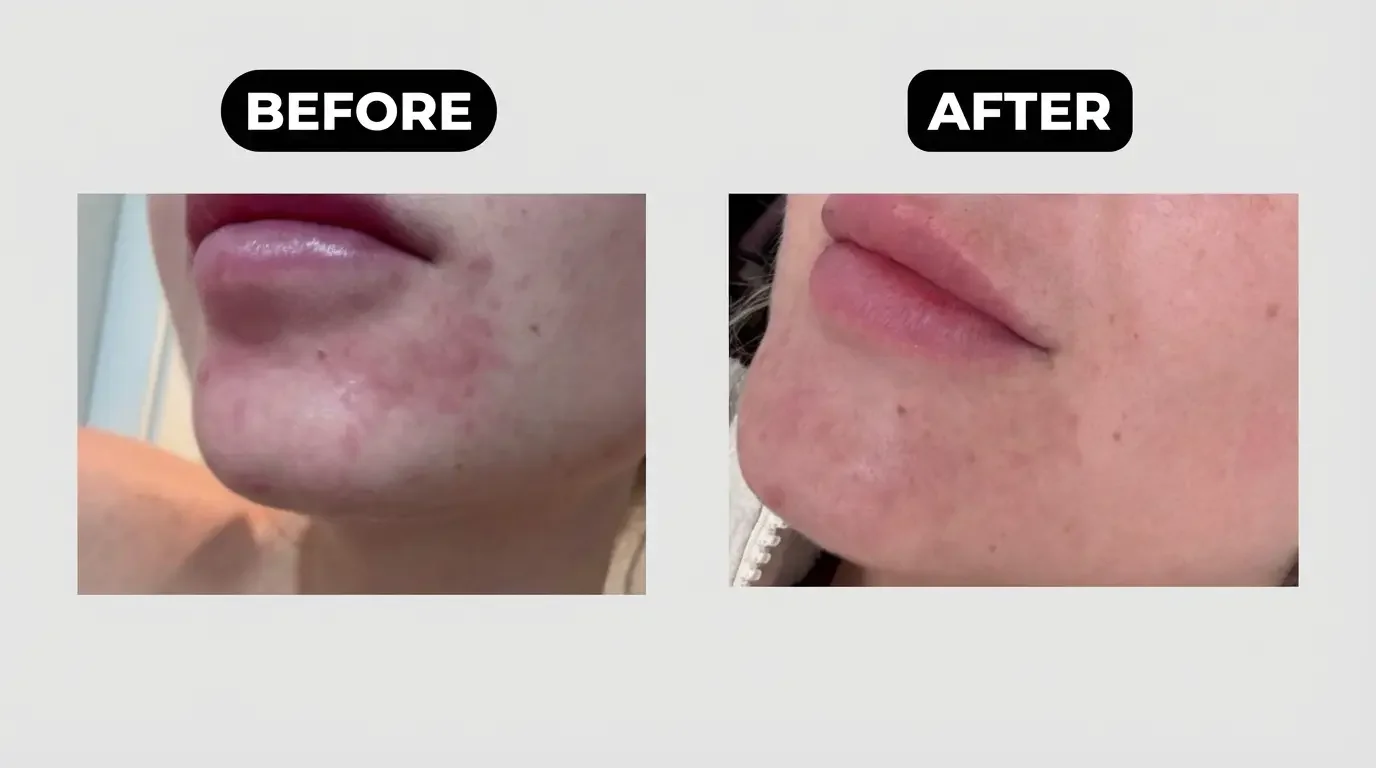
Preliminary results from ongoing clinical evaluation. Full study data with standardized efficacy endpoints expected April 2026.
Your Results Start Now
The procedure was the beginning. The aftercare is where you protect your investment, support your skin's remarkable capacity for regeneration, and set the stage for results that meet or exceed your expectations.
Your skin has everything it needs to heal beautifully. Your job is to support that process, providing the hydration, barrier support, and gentle care your skin needs, while protecting it from the irritants, UV exposure, and premature active ingredients that could interfere.
The glow you wanted, the smoothness you envisioned, the renewed confidence you were seeking, it's all within reach. Take care of your skin in the days and weeks ahead, and let the results speak for themselves.
Ready to Give Your Skin the Advanced Aftercare It Deserves?
Nexovia's Skin Serum was formulated specifically for post-procedure recovery, combining four powerful bio-amplifiers, plant exosomes, PDRN, NAD+, and a peptide matrix, in one synergistic formula.
Designed to soothe instantly, support barrier recovery, and amplify your final results, it's aftercare engineered for those who demand the ultimate finish.
Frequently Asked Questions
-
Protecting your skin barrier is the single most important priority. This means using gentle, hydrating products, avoiding harsh ingredients and actives, and maintaining strict sun protection. Until your barrier recovers, your skin cannot heal optimally or protect itself from further damage.
-
Visible healing typically takes one to two weeks for most procedures, though this varies based on treatment intensity. Non-ablative treatments may recover in just a few days, while ablative laser resurfacing can require two to three weeks of visible healing. Internal remodeling and collagen production continue for several months after the visible recovery is complete.
-
Most practitioners recommend avoiding makeup for at least 24 hours after microneedling and 48 to 72 hours after laser treatments. When you do resume makeup, choose mineral-based, non-comedogenic formulas and ensure your brushes and applicators are clean. If your skin is still visibly healing or uncomfortable, it's best to wait longer.
-
Avoid retinoids, alpha-hydroxy acids, beta-hydroxy acids, benzoyl peroxide, vitamin C (initially), physical exfoliants, fragranced products, and alcohol-based toners during the recovery period. These ingredients can irritate compromised skin and interfere with healing.
-
Most patients can begin gradually reintroducing their regular products after two weeks, though this timeline varies by procedure and individual healing. Reintroduce one product at a time, starting with lower concentrations of active ingredients, and monitor for any signs of irritation.
-
Yes, redness is a normal part of the inflammatory healing response. It typically peaks in the first 24 to 48 hours and gradually improves over the following days to weeks. However, if redness worsens after the first 48 hours or is accompanied by severe pain, pus, or fever, contact your practitioner.
-
The best post-microneedling serums contain hydrating and barrier-supporting ingredients like hyaluronic acid, centella asiatica, and panthenol. Advanced formulations may also include growth factors, peptides, PDRN, or exosomes to actively support tissue repair. Avoid serums containing active exfoliants or retinoids until fully healed.
This content is for informational purposes only and does not constitute medical advice. Always follow the specific aftercare instructions provided by your treating practitioner.