Journal
Can You Drink Alcohol After Microneedling or Laser? A Practical Guide
Understanding the interplay between aesthetic procedures and alcohol consumption is crucial for optimal healing. This guide explores the scientific rationale behind post-procedure abstinence.
July 23, 2026 / 6 min read
Aesthetic procedures such as microneedling and laser treatments initiate a controlled healing response within the skin, designed to stimulate regeneration and improvement. The success of these interventions hinges not only on the practitioner’s skill but also on diligent aftercare.
Among the many considerations post-procedure, the question of alcohol consumption frequently arises. While seemingly innocuous, the decision to consume alcohol after microneedling or laser is not without physiological implications for the delicate healing process.
This guide delves into the scientific basis for caution, offering a practical perspective on how alcohol interacts with your body’s recovery mechanisms and why abstinence is often advised for optimal results.
Understanding the Post-Procedure Healing Cascade
Microneedling and laser treatments operate by creating micro-injuries or controlled thermal damage to the skin. This triggers the body's natural wound healing cascade, involving distinct phases: inflammation, proliferation, and remodeling. Each phase is critical for tissue repair, collagen synthesis, and the ultimate rejuvenation of the skin.
During the initial inflammatory phase, the body sends immune cells and growth factors to the treated area, leading to temporary redness, swelling, and sensitivity. The proliferative phase then focuses on rebuilding tissue, while the remodeling phase refines the new collagen and elastin structures. Any external factor that disrupts these finely tuned processes can impede healing and compromise outcomes.
Optimal recovery relies on supporting the skin's innate ability to repair itself. This includes maintaining a healthy internal environment and protecting the compromised skin barrier. Understanding this delicate balance is fundamental to appreciating the impact of lifestyle choices, such as alcohol consumption, on your post-procedure journey.
The Physiological Impact of Alcohol on Healing Skin
Alcohol is a systemic substance, meaning its effects extend throughout the body, including the skin. Its primary mechanisms of action that are relevant to post-procedure recovery include dehydration, vasodilation, and systemic inflammation.
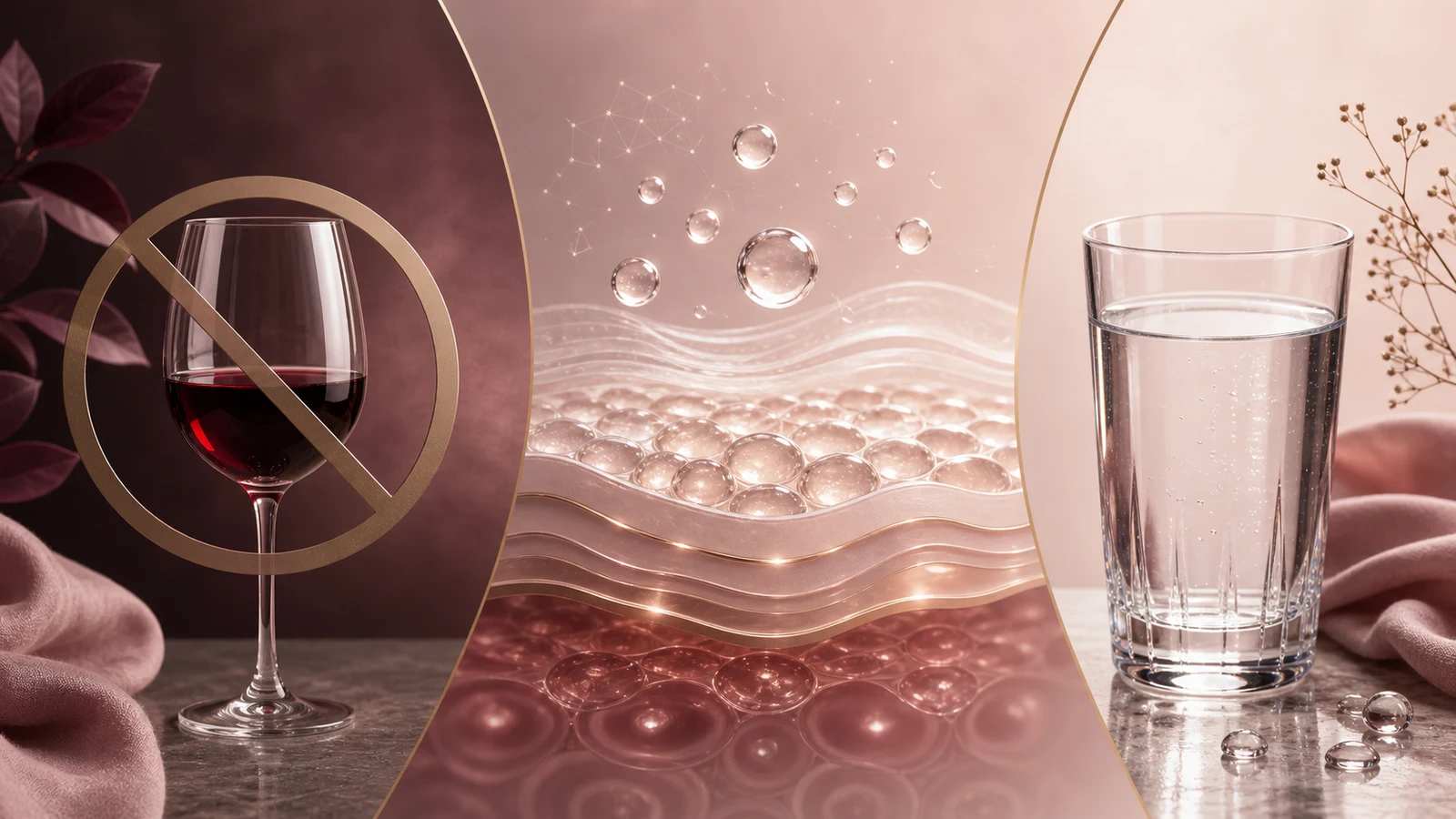
Ethanol, the alcohol found in beverages, is a diuretic. It increases urine production, leading to fluid loss and systemic dehydration. For skin that is already compromised by microneedling or laser, adequate hydration is paramount for barrier function and cellular repair. Dehydrated skin can appear dull, feel tighter, and may heal more slowly, exacerbating common post-procedure symptoms like dryness and flakiness. The integrity of the skin barrier is particularly vulnerable during this time.
Furthermore, alcohol is a vasodilator, meaning it widens blood vessels. This can intensify and prolong post-procedure redness and swelling, which are already expected side effects. Chronic alcohol consumption also contributes to systemic inflammation and can suppress the immune system, potentially hindering the body's ability to effectively repair tissue and defend against opportunistic infections during the critical healing window.
Immediate Aftercare: The Critical Window
Microneedling Aftercare and Alcohol
Following microneedling, the skin is covered in microscopic channels. This state of controlled injury makes the skin highly permeable and vulnerable. Alcohol's dehydrating and inflammatory effects are particularly detrimental during the first 24-72 hours. It can exacerbate redness, swelling, and increase the risk of delayed healing or complications. For comprehensive guidance, consult our microneedling aftercare guide.
Laser Treatment Aftercare and Alcohol
Laser treatments, especially ablative or fractionated lasers, create significant thermal injury, requiring intensive healing. The skin's barrier is substantially compromised, making it prone to dehydration and sensitivity. Alcohol can intensify the inflammatory response, prolong downtime, and potentially impede the precise cellular repair mechanisms stimulated by the laser. Refer to our laser treatment aftercare guide for detailed instructions.
Most practitioners advise complete abstinence from alcohol for at least 24-72 hours post-procedure, with some recommending up to a week, depending on the intensity of the treatment. This critical window allows the initial inflammatory and proliferative phases to proceed unimpeded, laying the foundation for optimal results.
Longer-Term Considerations for Skin Health
Beyond the immediate aftercare period, consistent heavy alcohol consumption can have cumulative detrimental effects on skin health. Chronic dehydration, compromised nutrient absorption, and increased oxidative stress contribute to premature aging, reduced collagen production, and impaired skin barrier function.
For individuals undergoing aesthetic procedures to address concerns like fine lines, texture, or hyperpigmentation, maintaining overall skin health is crucial for preserving and enhancing treatment results. A lifestyle that supports cellular regeneration and robust skin integrity will always complement the investment in professional treatments.
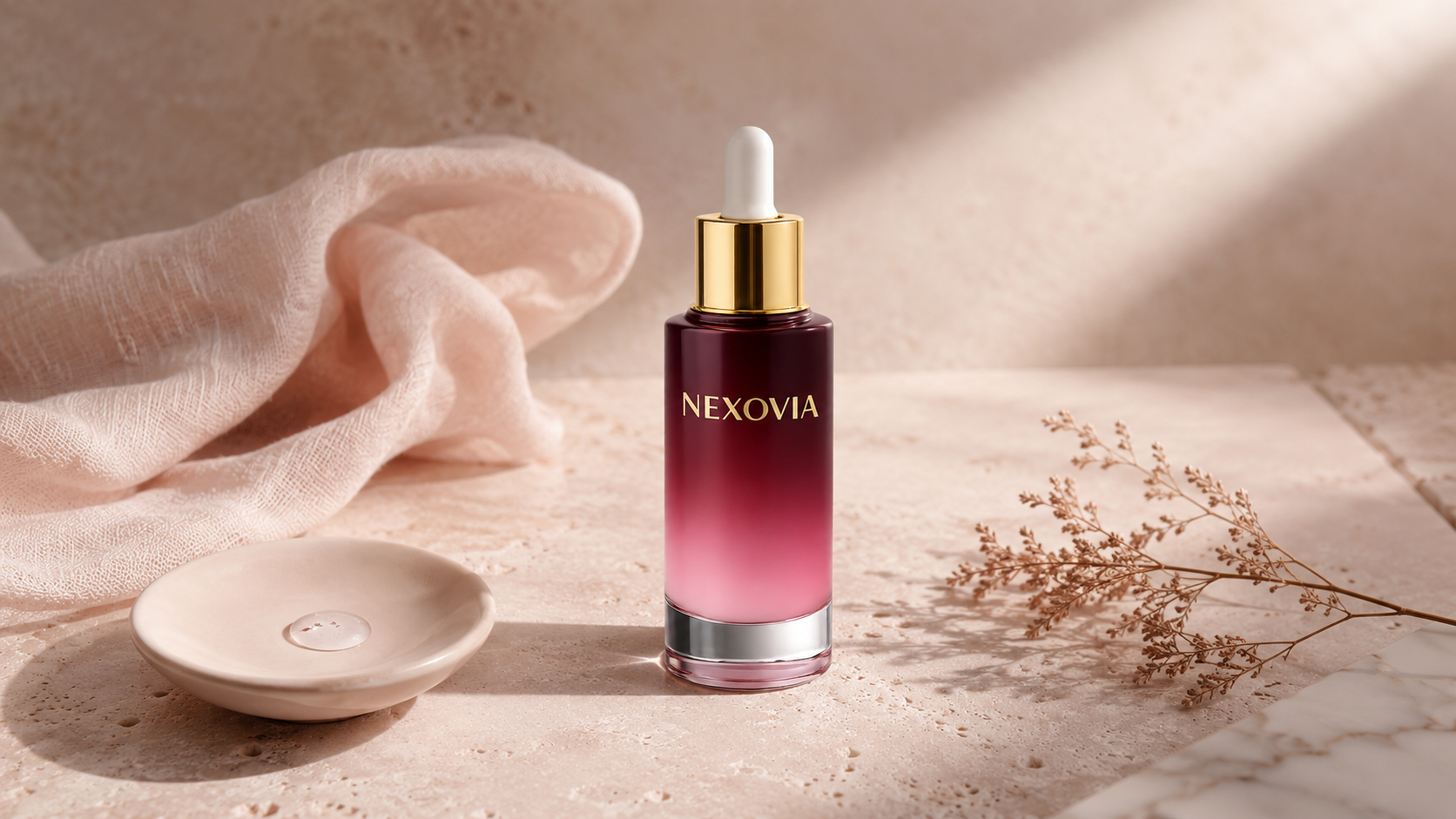
Why Nexovia Works Best With Complementary Technologies
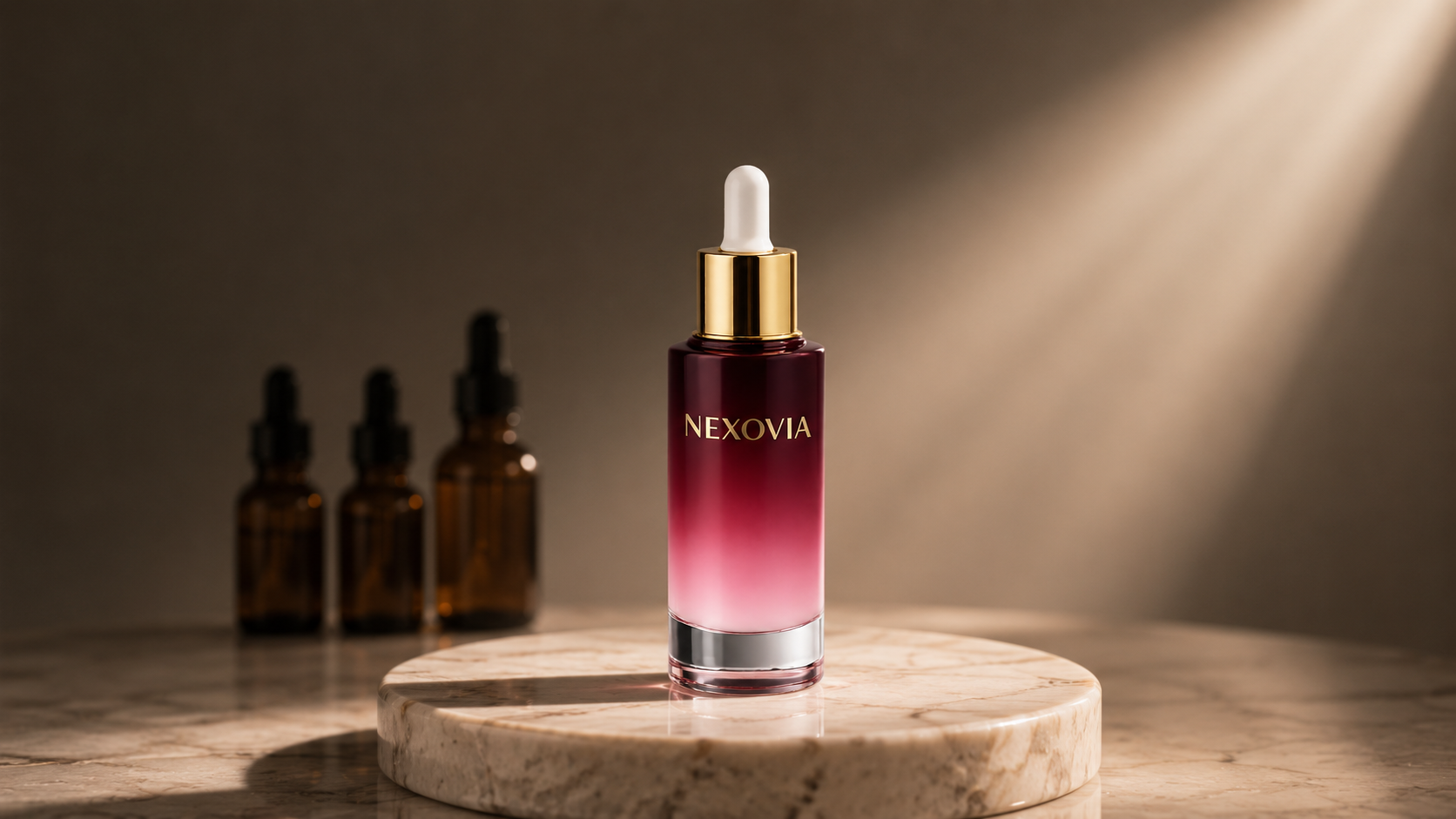
While abstinence from alcohol is a foundational aspect of post-procedure care, supporting the skin with advanced topical solutions further optimizes recovery. Nexovia's ABA.4 Bio-Intelligent Architecture is engineered to provide targeted support, counteracting the very challenges alcohol can exacerbate.
Our sophisticated matrix combines a peptide blend for barrier repair and collagen support, alongside 4 billion particles/mL of plant exosomes to facilitate intercellular communication and regeneration. PDRN 1% aids in DNA repair and tissue regeneration, while NAD+ 1% boosts cellular energy and resilience. These components work synergistically to accelerate healing, reduce inflammation, and enhance hydration.
By integrating Nexovia's ABA.4 into your aftercare regimen, you provide your skin with a robust support system, particularly when avoiding factors like alcohol that can impede natural repair processes. This ensures your skin receives the optimal environment for recovery and the maximum benefit from your aesthetic investment.
Frequently Asked Questions
How long should I avoid alcohol after microneedling or laser?
Most practitioners recommend avoiding alcohol for at least 24-72 hours post-procedure. For more intensive treatments, this period may extend to a full week. Always adhere to your specific practitioner's guidance.
What are the risks of drinking alcohol too soon after treatment?
Drinking alcohol can lead to increased dehydration, prolonged redness and swelling, slower healing, and a higher risk of post-inflammatory hyperpigmentation or other complications. It can also compromise the skin barrier's integrity.
Does a small amount of alcohol, like a single glass of wine, still pose a risk?
While the effects may be less pronounced than heavy consumption, even a single alcoholic drink can contribute to dehydration and vasodilation. During the critical initial healing phase, it is prudent to avoid all alcohol to ensure optimal recovery.
Can alcohol affect the long-term results of my microneedling or laser treatment?
Immediately post-procedure, alcohol can hinder proper healing, which may indirectly impact the quality and longevity of your results. Chronically, heavy alcohol use can degrade skin health, counteracting the benefits of aesthetic treatments over time.
What can I drink instead of alcohol after my procedure?
Prioritize water, herbal teas, and electrolyte-rich beverages to maintain hydration. Fresh fruit and vegetable juices can also provide essential vitamins and antioxidants that support skin health during recovery.
This content is for informational purposes only and does not constitute medical advice. Always follow the specific aftercare instructions provided by your practitioner, as recommendations may vary based on your individual treatment and skin type.
Disclaimer: This article is for educational purposes only and is not medical advice. Always follow your provider's guidance after cosmetic procedures.